Transparency as authority: When the process is the proof

Published:
20 Mar 2026
How transparency became the new language of trust

From concealment to clarity

As horologists (or watch collectors, to you and I) will tell you, high-end watchmaking used to obsessively hide its mechanisms. Solid case backs protected movements from dust, moisture, and most importantly, prying competitor eyes. The logic was very straightforward: what you couldn’t see, you couldn’t copy. That mystery equalled value.

Then something important changed. Exhibition case backs appeared, sapphire crystal windows revealing the movement beneath. Skeletonised watches took it further, removing every non-essential surface to expose gears, springs, and balance wheels in constant beautiful motion. What was once a closely guarded secret became the primary selling point.

This wasn’t about making watches easier to understand. Most people can’t decode a movement’s architecture at a glance. But seeing the mechanism work, watching the complexity operate in real time, changes the nature of trust. You’re not taking the watchmaker’s word for precision, you’re witnessing it.

In wider terms, that shift from concealment to demonstration is changing how manufacturers earn trust. And at James Cropper, it’s guiding how we work.
Where visibility turns collaboration into understanding

Inside the process

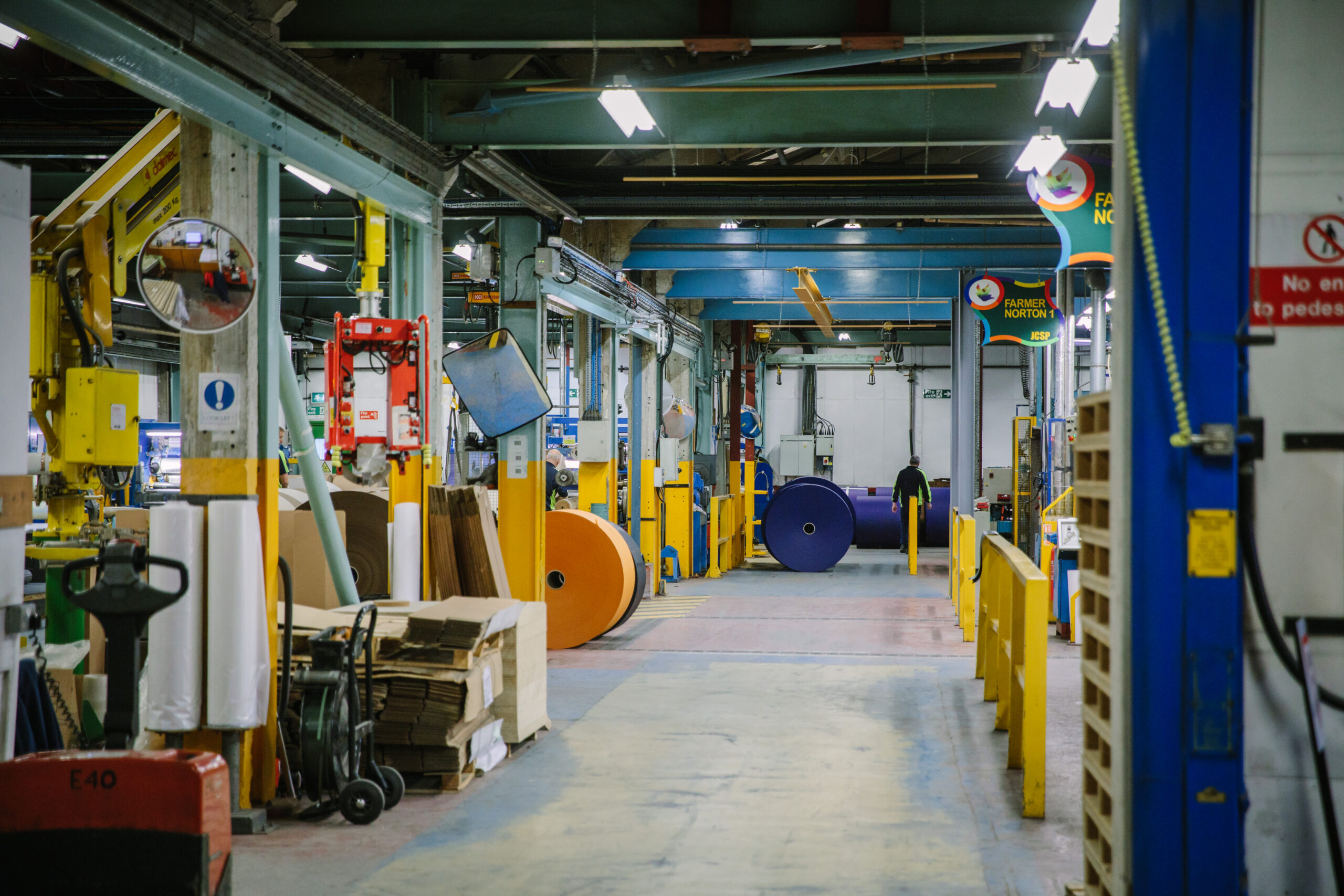
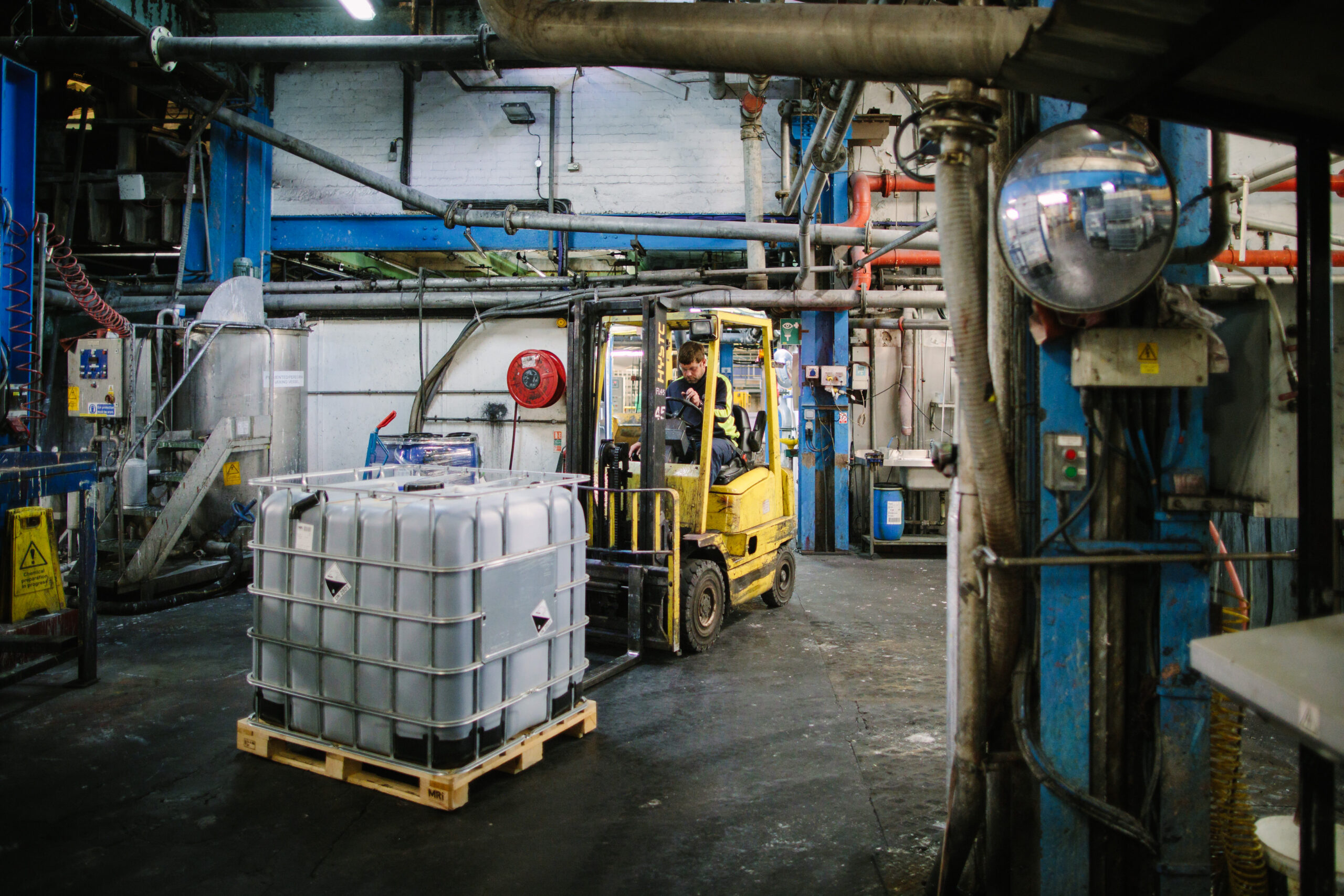
We run dozens of mill tours each year at our Burneside facility, deep in the heart of the UK’s picturesque Lake District. Brand owners, designers, technologists and converters arrive expecting a standard facility walkthrough. What they experience is direct access to the process itself.

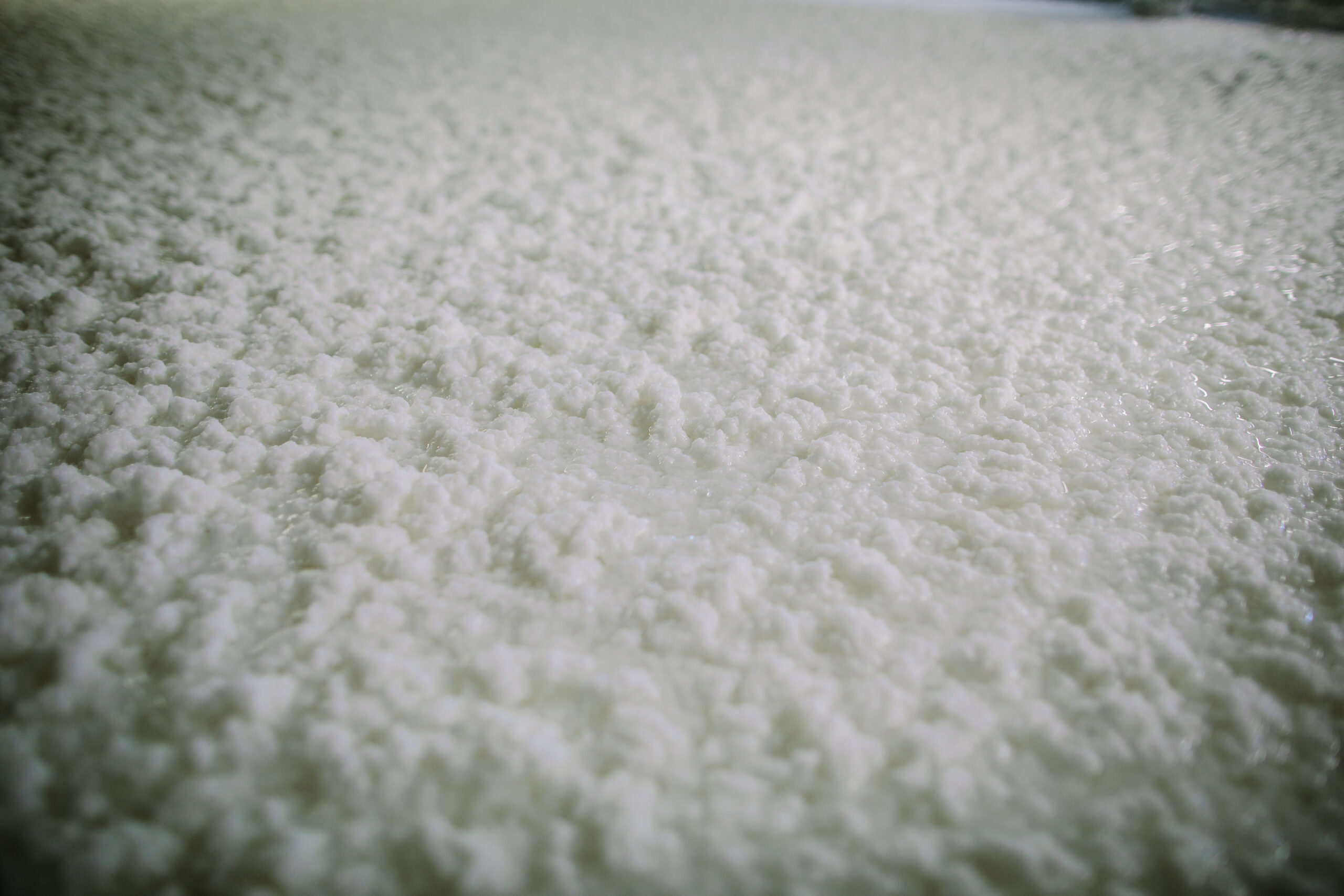
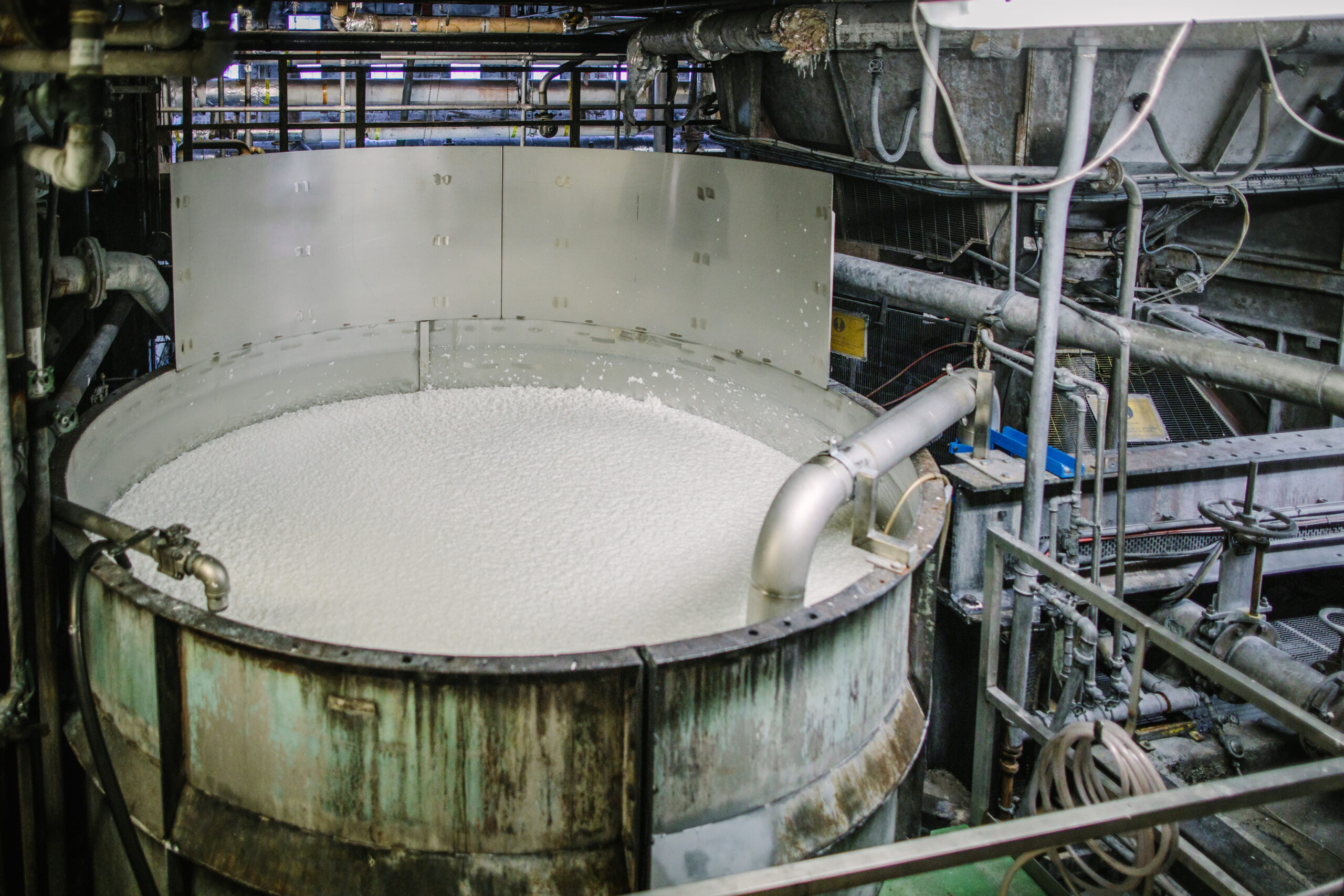
They stand in our colour lab, the old schoolhouse overlooking the mill, and watch their custom shade being developed. They see fibres in suspension, dyes bonding, paper forming on the line. They discuss metamerism under different light sources with our technical team. They handle sheets still warm from the dryers, adjust luminance targets based on what they’re observing in their hands.

Don’t mistake this for theatre; it’s how we work, day by day. The proximity isn’t staged for effect, it’s structurally necessary for the kind of bespoke colour-matching we do. When you’re tuning delta-E tolerances to levels other suppliers won’t (or can’t) attempt, and when you’re managing 2,000+ live colour recipes and producing over 1,000 unique papers annually, the client needs to be part of the conversation, not briefed afterwards.

That visibility changes the relationship on a fundamental level. Assumptions fall away when you can see the vat being adjusted in real-time, in response to your feedback. Timelines make sense when you’ve watched a trial run. Material limitations become clearer, and so do material possibilities. The collaboration becomes instinctive, rather than transactional.

How transparency strengthens knowledge, not weakens it

Rethinking expertise

There’s a traditional manufacturing model where expertise is protected and guarded through distance. Technical specifications get shared on a need-to-know basis, and formulations often remain proprietary. The factory operates behind layers of commercial confidentiality, and for those businesses, authority comes from that separation.

Like so much of what we do at James Cropper, we’ve purposely moved in the opposite direction. Our colour lab isn’t locked away; it’s a collaborative space. When a brand partner needs to understand why a particular shade behaves differently under LED versus daylight, we don’t just explain the phenomenon of metamerism. We demonstrate it with light boxes, substrate comparisons, and ink variables laid out in real time.

Equally, when a designer wants to know whether their concept is technically achievable, like whether a specific emboss pattern will work with a particular weight, or whether a custom colour can hold across different finishing processes, we don’t send a PDF assessment. We invite them to Burneside, run trials together and show them what’s possible and what isn’t, using actual machinery, actual fibres, and under actual conditions.

Conventional wisdom might say that transparency can leave a company exposed, but this openness doesn’t weaken our expertise, it strengthens it. That’s because when knowledge is exchanged rather than guarded, decisions become more informed.

A brand owner who’s seen their paper being made understands material behaviour differently, and they know why certain choices matter. They know why fibre selection affects not just aesthetics but performance, and how our dyed-in-the-fibre process delivers colour permanence that surface coatings can’t match.

That understanding makes better work possible not because we’ve reduced complexity in the art of paper manufacturing, but because we’ve distilled it through the customer’s lens.

How proximity, scale, and visibility define true authority

Place as process

The Lake District facility we operate from reinforces our approach. Burneside isn’t some remote facility where goods appear finished and unexplained. It’s highly accessible; clients from London, Paris, or Milan, can be here in a morning. Our UNESCO World Heritage Site home may be beautiful, but it’s also functional. And, it’s why growth here means refinement, rather than scale.

It’s here that we’ve spent 50 years developing our Coloursource palette. Fifty signature shades, each one the product of iterative improvement, responding to how light and fashion and client needs evolve. It’s a living system, and clients see how it functions.

Accessibility also means understanding the depth of what we do. The 200,000 digital recipes in our database, the 184 blacks and the 62 whites, are not just statistics on a slide deck, they’re reference points that show precisely why James Cropper is, and has always been, at the top of the paper food chain.

When packaging carries our paper, it literally carries our processes with it. The precision of a colour match tuned under Lake District light, adjusted in real time with the brand owner present. The tactility of substrate formed in River Kent water, handled by a team with generational knowledge of how fibres behave. The certainty that comes from having watched your exact batch being made in front of you. So, just as the luxury watch manufacturers found, transparency doesn’t a strong brand and product, it validates and crystalises it.

At James Cropper, we’re not in the business of mystique. We’re in the business of making exceptional paper through collaboration that only works when the process is visible, shared, and understood. The mill isn’t a closed system operating at a comfortable and sterile distance. It’s an open one, inviting our partners into the work itself.

True authority, we’ve found, doesn’t come from what you conceal. It comes from what you’re confident enough to show.

Experience the difference

Step inside the process. Discover how visibility, collaboration, and craft come together at James Cropper.