Knowledge as a two-way current

Published:
13 May 2026

Traditional supplier-client relationships in packaging are straightforward relay races.

One team hands the project over to another, who hands it over to another, who hands it over to another, who hands it over to the client for the final sprint to the finish. The brief goes in, and by the time the finish line is crossed, you have a product.

It’s hard to deny the efficiency of this system. It’s worked for decades, after all – and at James Cropper, our business has seen it all happen after nearly two centuries of trading. That storied past has given us many insights into the present and future of packaging design, which shows us a system starting to buckle under the weight of modern packaging demands.

Sustainability targets are tightening. Brand expectations are rising. Materials are being asked to do more, often in tighter spaces, with less margin for error. In this market, a static brief can only take a project so far, no matter how efficiently it is passed from point A to point B.

Improvements to production efficiency and streamlining existing processes can help, but more importantly, the way businesses think about client-supplier relationships needs a radical rethink.
A fluid approach

Over the years, these linear design and production processes have been refined and streamlined further through digitalisation and AI, benefitting the packaging industry itself and the many others that rely on it. In many cases, the relay race can now largely run itself. The brief is written, handed over, and executed.

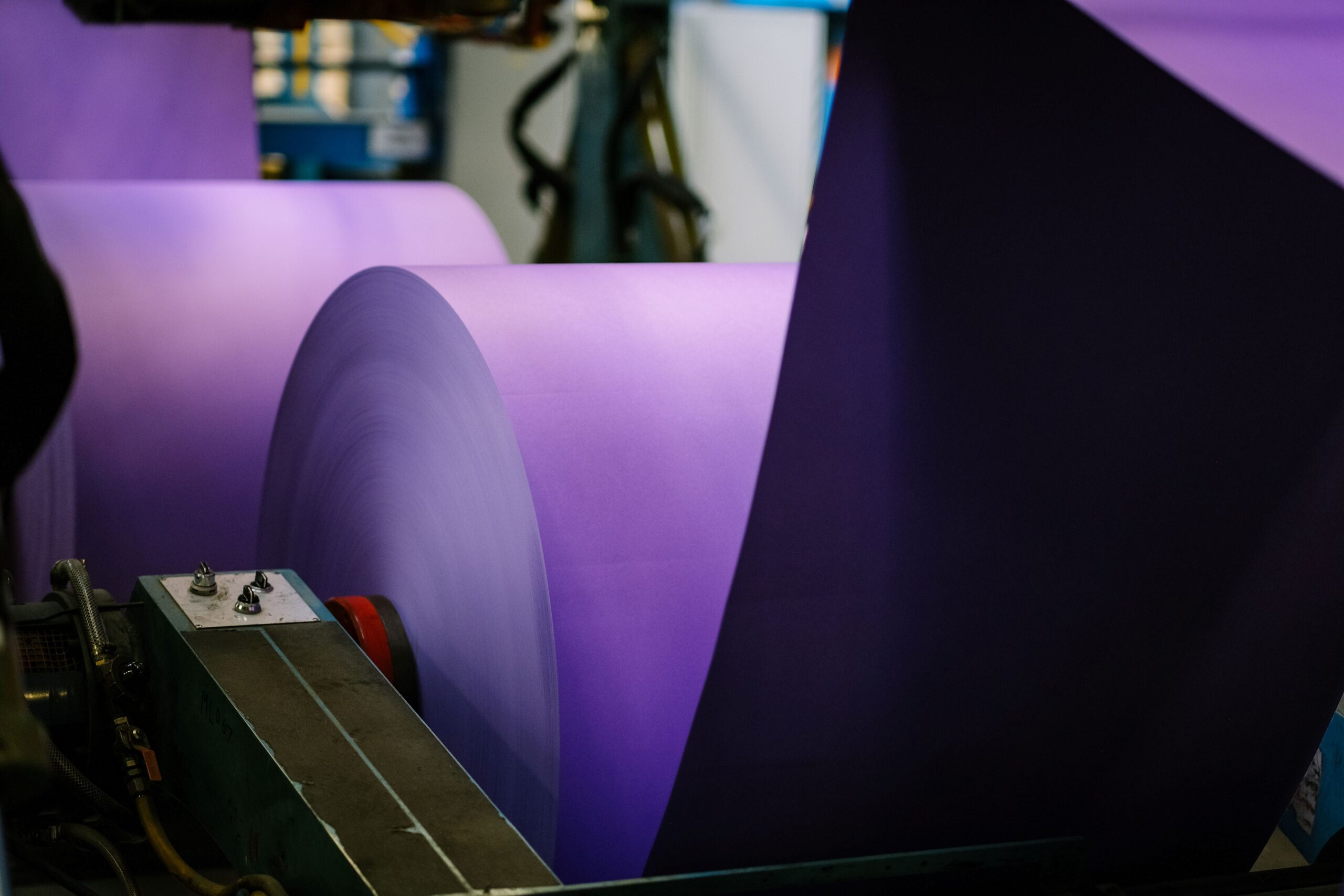
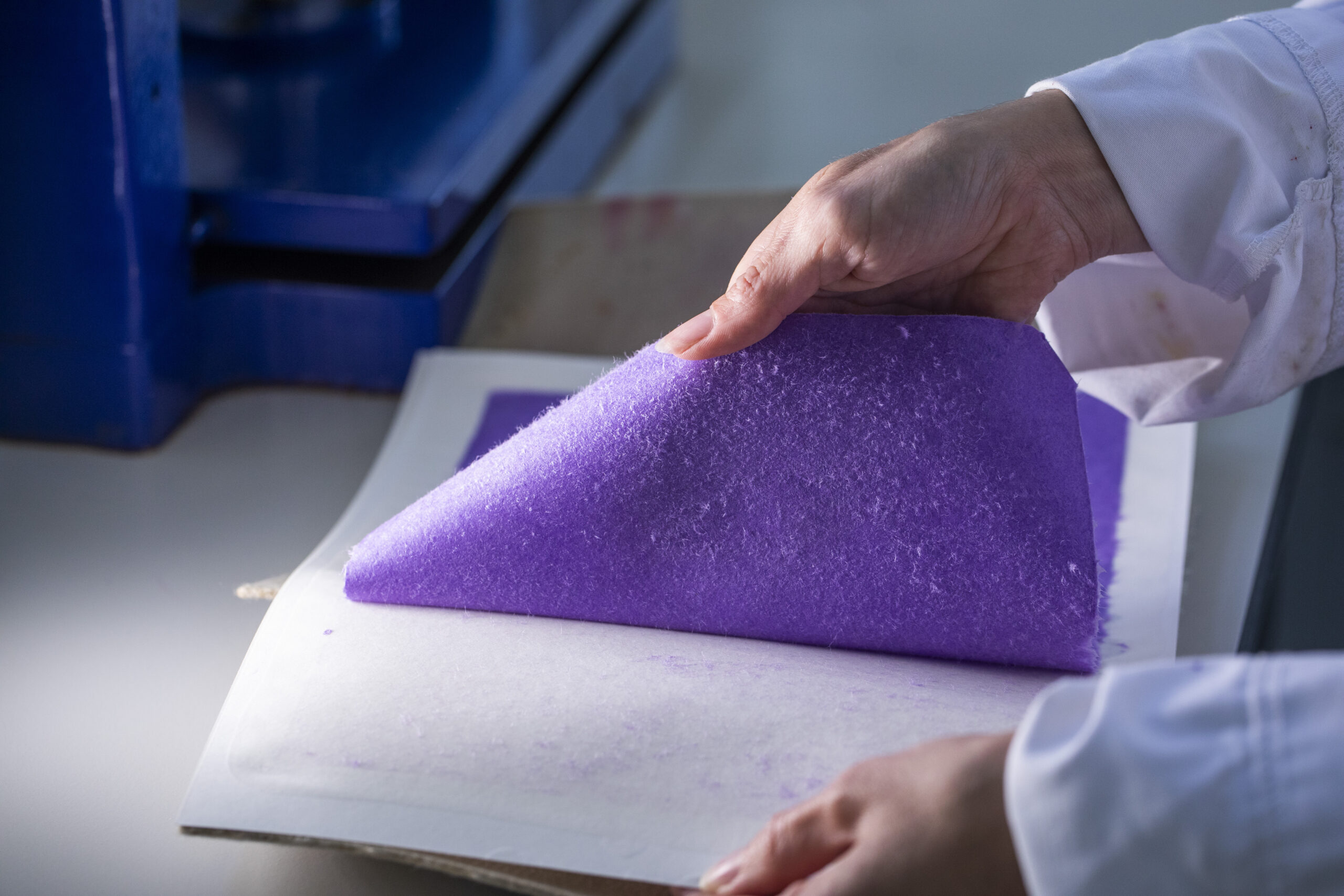
This transactional approach is no longer up to the challenges posed by the modern world. A brief, by its nature, captures a moment. It reflects what is known at the time it is written, shaped by the information available and the assumptions behind it. But packaging, particularly when working with paper, is not a static discipline. Materials behave differently depending on fibre composition, processing, and finish. Colour shifts under different lighting conditions. Performance is influenced by decisions that often sit beyond the original specification.

In short, packaging is a living, breathing thing. A linear design process might be able to capture an impressive facsimile of that, but it can never quite do justice to the real thing. As it moves through the specification, prototyping, and production phases, paper transforms, going from a fixed list of abstract ideas and requirements into something more fluid – but also more real.

In order to adapt to this, the processes themselves must become equally fluid. And this is where dialogue between parties becomes critical.

Removing uncertainty, adding clarity

Technical expertise and brand vision have always been powerful forces. But when they combine and interact in real time, they can evolve into something even more remarkable – something more agile, something deeper.

This depth means a colour is refined based on how it behaves on a specific substrate rather than matched to a reference, and broken down into a precise mixture of dyes and pigments that are carefully selected and tested to ensure they are fit for purpose. Likewise, a texture is not just picked out of a sample book, it is developed in response to how it feels in the hand and performs on the production line. Under the traditional system, these constraints are limiting. But as part of a more dynamic approach, they instead become inspirations for something greater.

This may sound like it is adding complexity, but in practice, the opposite is true – it simply removes uncertainty. When both sides are collaborating in the same process, adjustments that used to take weeks can be made in hours. Conversations replace the basic baton-passing approach of approvals, and productive observations usurp tired assumptions. This helps improve speed to market, but also clarity, creating benefits that will only compound over time as the partnership grows.

Iron sharpens iron – and ideas

At James Cropper, we have been developing paper materials for over 180 years. Our business has been accumulating expertise throughout that time, but even this expertise can be made more valuable by testing it against the perspectives of our partners.

It’s true that we have built up an industry-leading knowledge base in fibre selection, colour formulation, and manufacturing efficiency, but this lead wouldn’t last long if that knowledge wasn’t continually refined. Working closely with clients and customers ensures that this expertise can be tested in real-world applications, challenged by different use cases, and strengthened through iteration. This transforms knowledge from something theoretical and abstract into something practical – something with real value.

This value benefits the client, too. Customer insights around their unique brand identity, target consumer behaviour, and market positioning can also be tested by material reality. This reality is what makes ideas more actionable, as they are shaped by a fundamental understanding of what is technically possible when producing packaging solutions at scale.

What emerges from this exchange is something that neither side could develop independently – a shared intelligence.

Capitalising on intelligent design

The value of this kind of intelligence is so great because it doesn’t stay confined within a single project. It extends into every project that follows, growing with each one.

That means briefs become more precise because they are informed by previous collaboration. Development cycles become shorter because fewer assumptions need to be tested. Outcomes become more confident because they are built on a foundation of mutual understanding.

This is particularly true in speciality manufacturing. Unlike high-volume production models that prioritise standardisation, speciality paper manufacturing is built around flexibility. It is designed to accommodate the vision of the customer, even if that creates variation in colour, weight, texture, or performance between product lines. That flexibility inherently creates opportunities for collaboration and value creation.

This requires a different kind of relationship, yes – one where both sides are actively involved throughout – but it also creates different kinds of outcomes.

These outcomes are critical for creating value in a market where packaging has evolved beyond being a simple functional requirement. It is now a carefully considered expression of technical capabilities and creative intent. And the material itself carries the decisions that shaped it, providing a tactile demonstration of the way the fibres were treated and the way the colour was balanced.

The end user may not spot these details in isolation, but together they add up to create and define the overall consumer experience.

Beyond the brief

Our goal is to soften the distinction between supplier and client, building relationships that are no longer defined by a sequence of transactions, but by a continuous exchange of knowledge and perspective.

That exchange has a measurable impact.

It improves efficiency by reducing iteration. It improves quality by refining decisions earlier in the process. It improves innovation by creating space for ideas to be tested and developed collaboratively. And perhaps most importantly, it raises the standard of what is possible.

After decades spent collaborating with customers, we have learned that the best partnerships don’t simply tick boxes against a brief. Instead, they take these initial ideas and reshape them to push them further, using the contributions from both sides to maximum effect.

Simply meeting expectations is no longer enough in today’s packaging market. Redefining expectations is where the true value lies.

Ready to rethink what your packaging partner can bring to the table?

Explore how collaborative material innovation can unlock faster decisions, sharper outcomes, and more meaningful packaging experiences.