Mapping the geography of colour

Published:
1 Jun 2026
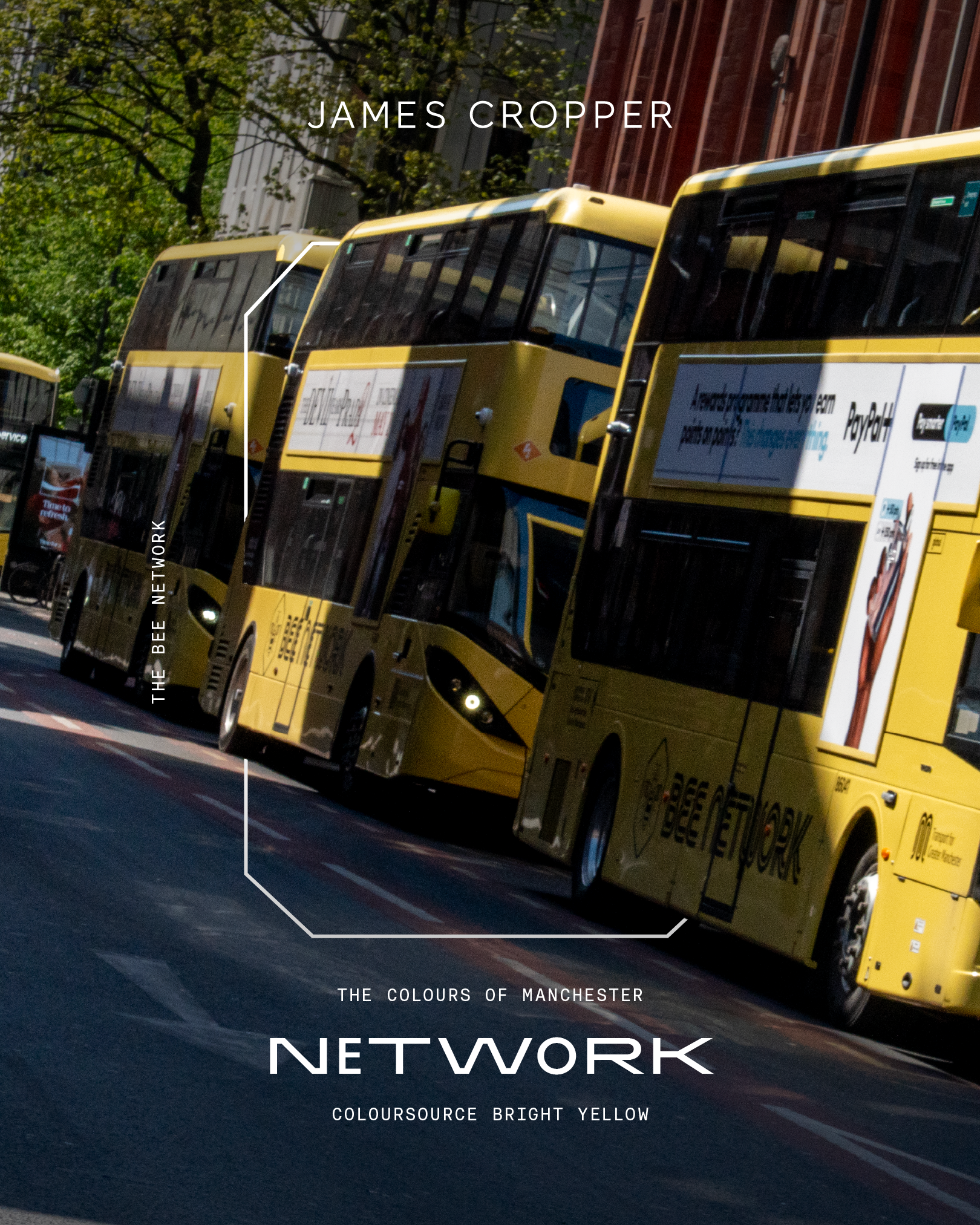
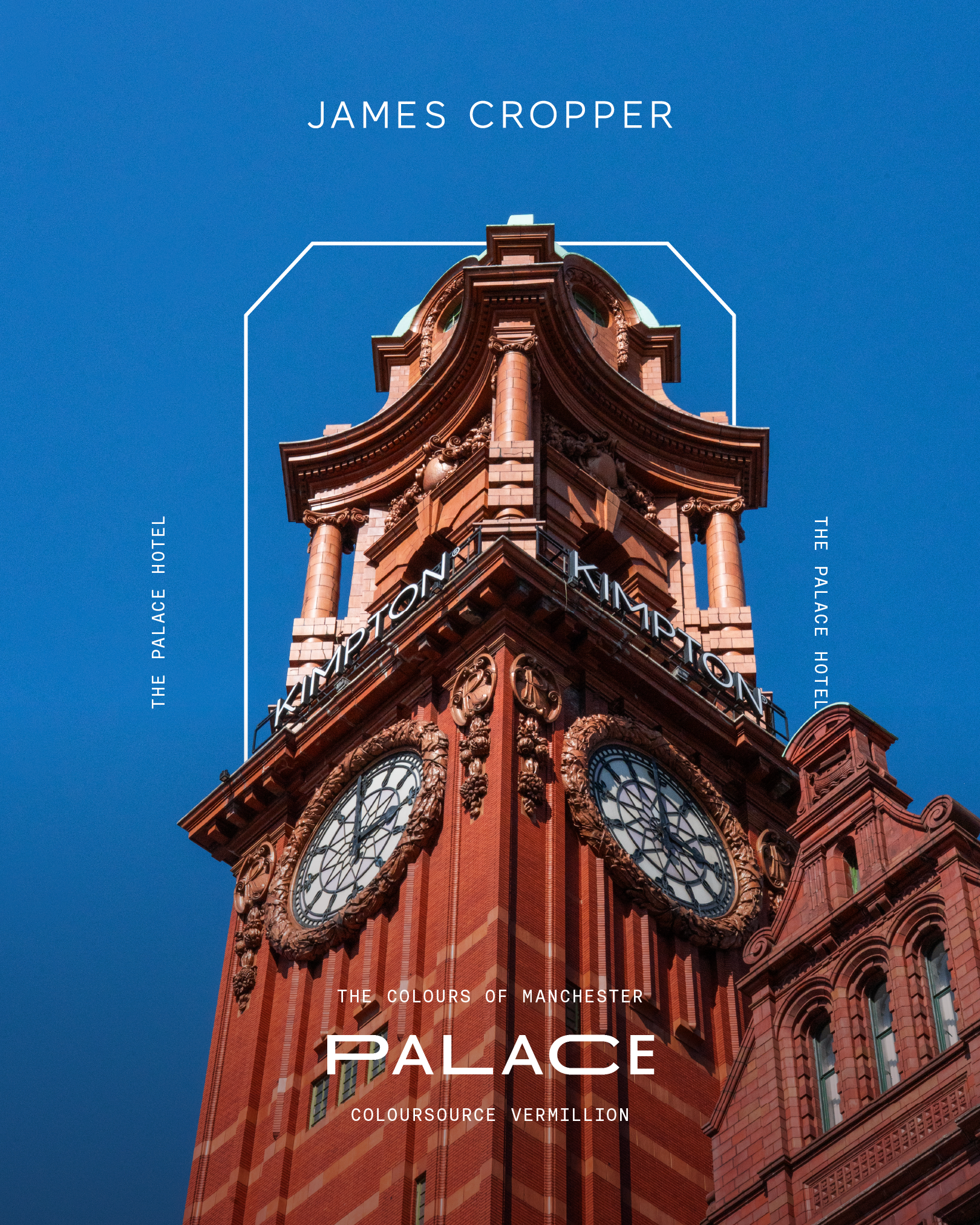
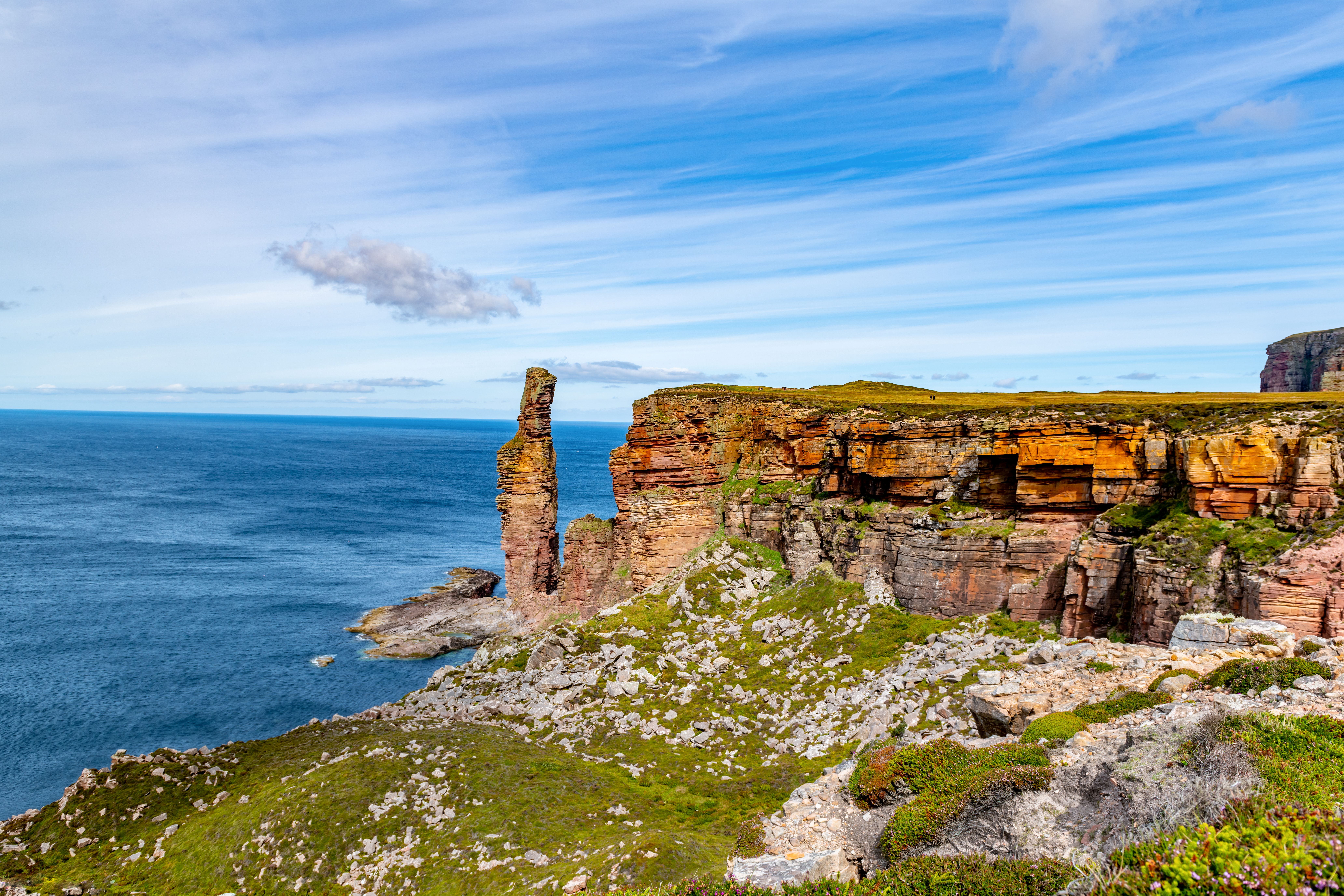
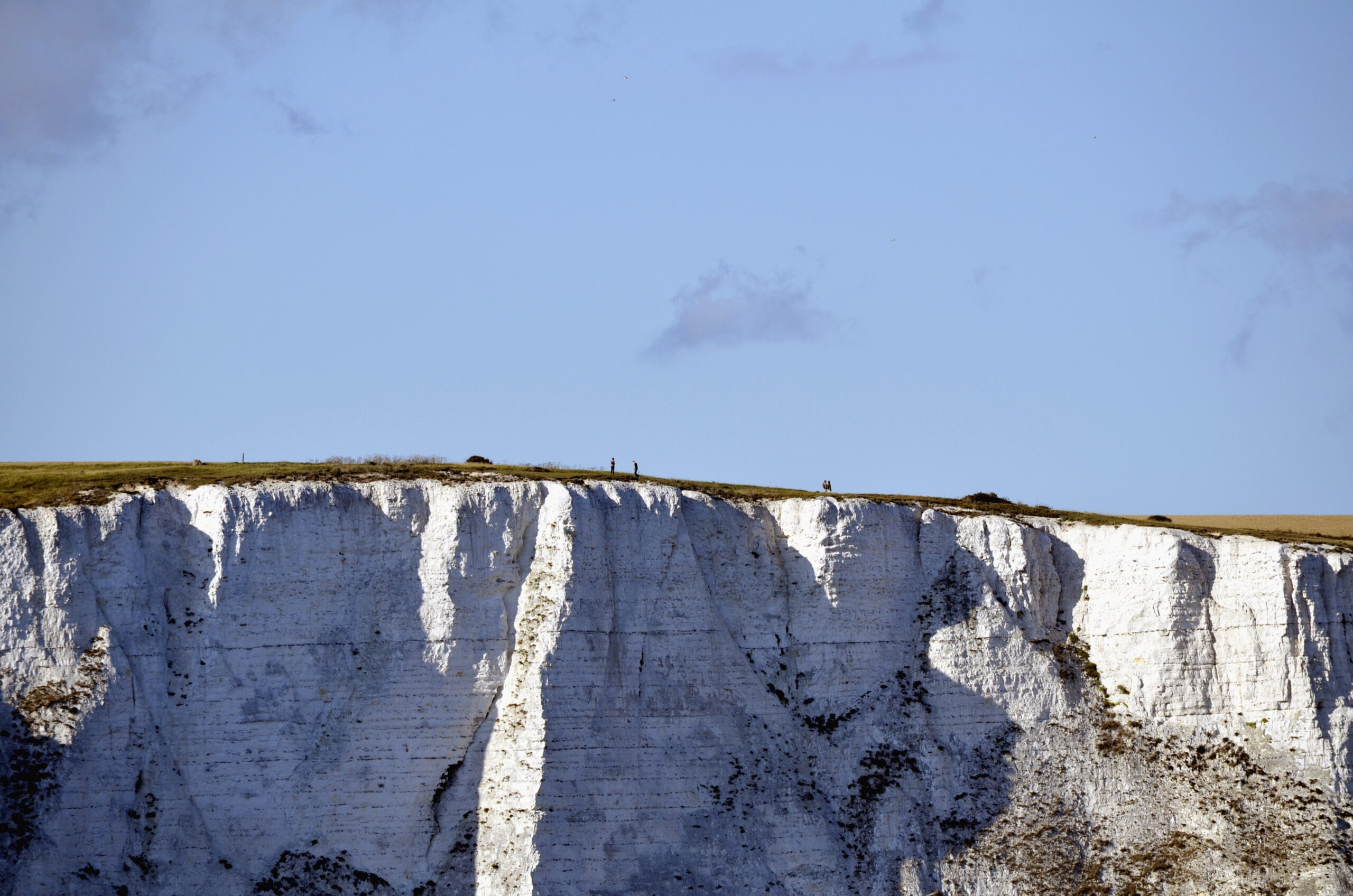
From the White Cliffs of Dover on the south coast to the weathered sandstone of the Old Man of Hoy in Orkney, and everything in between, the colour palette of our green and pleasant land is deceptively diverse. Each hue tells a story. And each story tells us something valuable about our past, present, or future.

There’s value in colour. That value comes from meaning. While each shade can be categorised down to the most minute difference in Delta E, there will always be something special to someone about a particular colour. It might be impossible to fully describe, but it is always there. And it’s impossible to separate from our feelings and memories about the place in which we live.

This means its value exists both in emotional and commercial terms. Even the most convincing salespeople in the business can’t compete with a simple flash of colour that reminds you of home, because we can’t choose the colours that surround us, but we can absorb them and make them part of our identities.

That unique power is what is driving us to map out the country’s colour identity, travelling to trade shows and engaging in conversations with people from all walks of life. Because the true value of a colour doesn’t come from what it looks like, but from what it means.
From landscape to legacy

This kind of approach is fundamental to our colour expertise, as while colours can be analysed in scientific detail, there’s also a special element that can’t be quantified. Call it subjectivity, call it magic, call it soul. Whatever it is, you know it when you see it.

James Cropper sits at this intersection between art, science, nostalgia, and revolution, giving us a unique perspective on colour production. Our own geography, and the rolling Lake District hills that define it, means the awesome power of colour is inescapable. Green fields, weathered grey stone buildings, and the reflections of golden sunlight speckled across the surface of the River Kent are constant sources of inspiration.

And yet, as beautiful as these natural landscapes are, the colour of the landscape is just one small part of the way people link palette and place. History and culture play a part. The pale, earthy Kendal Green or the royal blue of the famous Kendal Mint Cake wrapper are just two historical shades from our mill’s surrounding area. Travel just 50 miles south down the M6 to Blackpool, and you’ll find a completely different palette – one defined by its sandy beaches and white-foamed ocean, the neon rainbow of its famous illuminations, or perhaps by the tangerine of its historic football team.

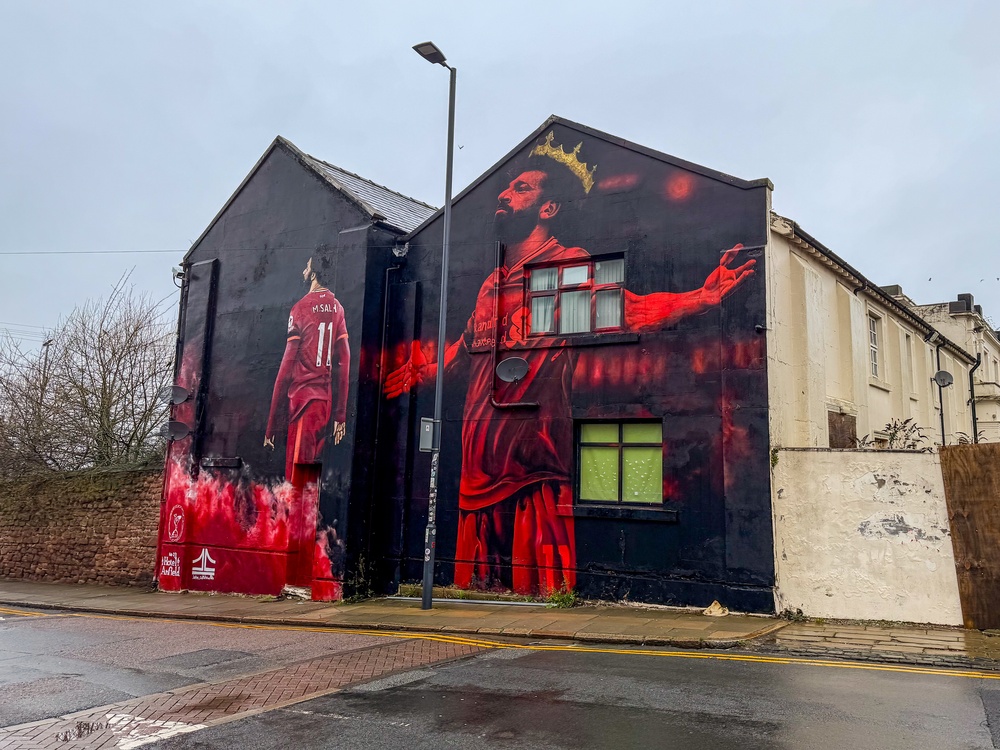
Sporting colours are a particularly emotive topic across the country. The shamrock green of Celtic and the royal blue of Rangers both contain decades of history and meaning and are equally capable of stirring strong emotions, to put it mildly, across Glasgow. And representing these colours accurately is central to this kind of emotional resonance. Ask any Burnley fan what they think of their kit designs in recent years, when the club’s famous claret hue started to look a little too purple, to prove this point.

Cultural connections

More broadly, this is part of a wider conversation about the links between culture, colour, and place. When you think of Liverpool, do you think of Anfield red, toffee blue, submarine yellow, wheelie bin purple, or something else? Is Stoke defined by its distinct Wedgwood blue? Does forest green belong to the Derry Girls uniform?

This isn’t just a list of references; it represents the kind of regional touchpoints, big and small, that bring colour to our lives.

No one colour defines a place, because no one thing defines a place. Every place is a rich tapestry of influences, cultures, industries and more, all woven together into a complex national identity. But every tapestry needs colour. And the power those colours have needs to be treated with respect, not merely as a surface application or a cosmetic skin, but as a record of an environment. In that sense, our journey to unpack the many colours of the UK is driven as much by emotion as it is geography.

Reproducing a colour isn’t just a matter of mixing dyes and pigments and running some lighting tests. Yes, technical capabilities are essential in order to develop, test, and produce colours consistently and at scale. But so is an understanding of the story behind the shade.

That is why our work with colour has to begin with listening. Listening to designers, brands, makers, communities, and the people who live with these colours every day. It means understanding why one green feels unmistakably rural, why one blue can belong to a city, and why one red can hold generations of feeling. Only then can colour be translated into something tangible, repeatable, and ready to become part of the next story.

This is the value James Cropper brings to colour. The ability to measure it, formulate it, and produce it with precision, and the capacity to understand what makes it matter in the first place.

Colour is not just colour. In the right hands, it’s a way of holding onto where we come from while helping us reach for what comes next.

When colour becomes a conversation

Start a conversation with James Cropper to explore how colour can shape your brand story.