Familiarity has a way of making even the most remarkable things feel routine. But when we look more closely, ordinary materials reveal something different: stories of expertise, curiosity and human ingenuity that have been quietly evolving for generations.
Paper is one of those materials.
It is everywhere. It carries knowledge, protects products, communicates ideas and connects brands with people. Yet because it has been part of everyday life for centuries, it is easy to overlook the complexity behind something that appears so simple.
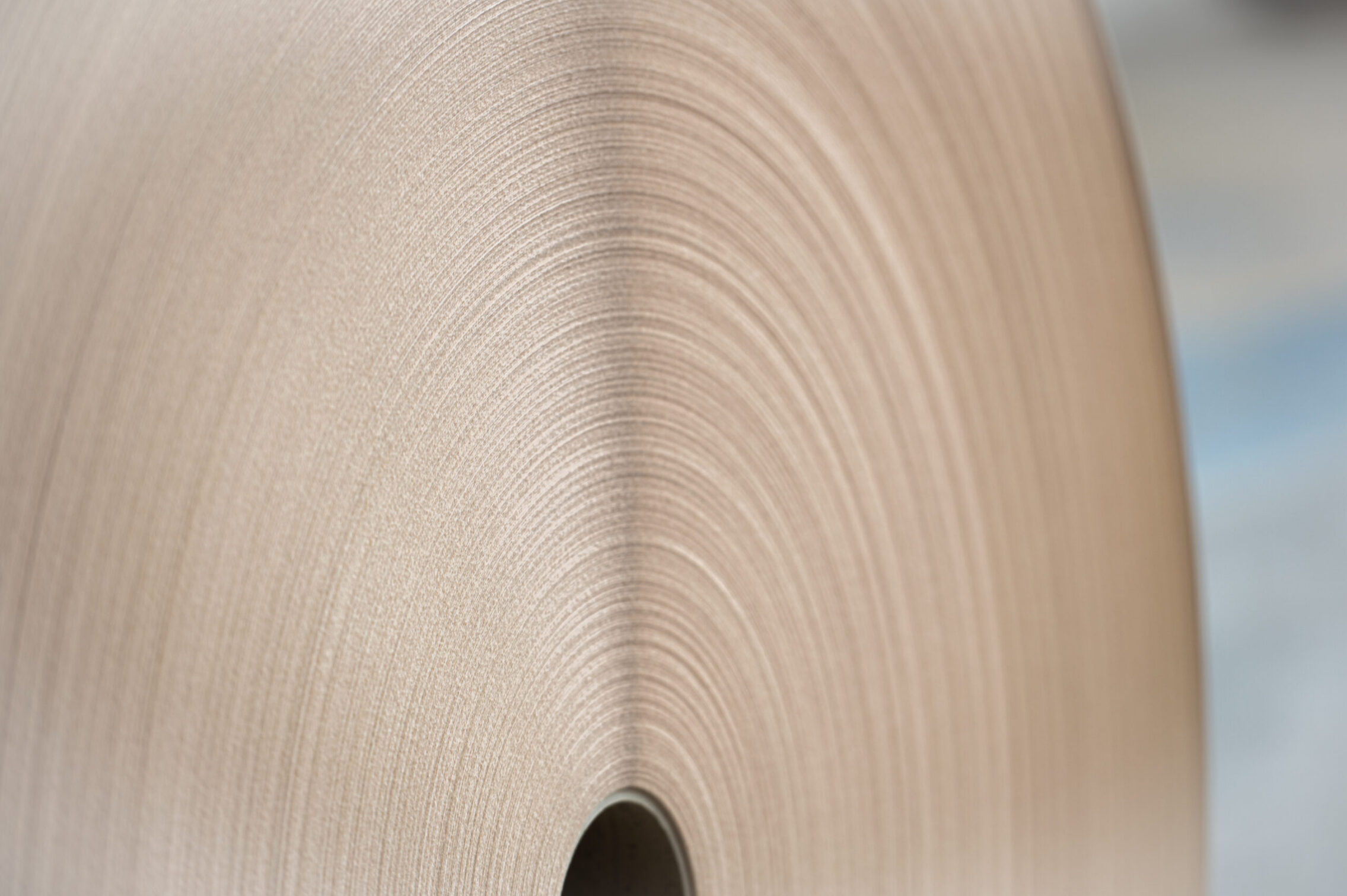
A sheet of paper is the result of countless decisions. The fibres selected, the way they are processed, the colour developed, the weight achieved and the performance required all influence the final material. What appears straightforward on the surface is shaped by a deep understanding of science, craft and manufacturing.
Paper is one of the most familiar materials in the world, but familiarity can sometimes create assumptions. People see the finished sheet, but rarely see the decisions, expertise and processes that shape it.
So what is the one thing people misunderstand most about paper?
For Jordan Scott, Head of Marketing at James Cropper, the answer comes down to experience.
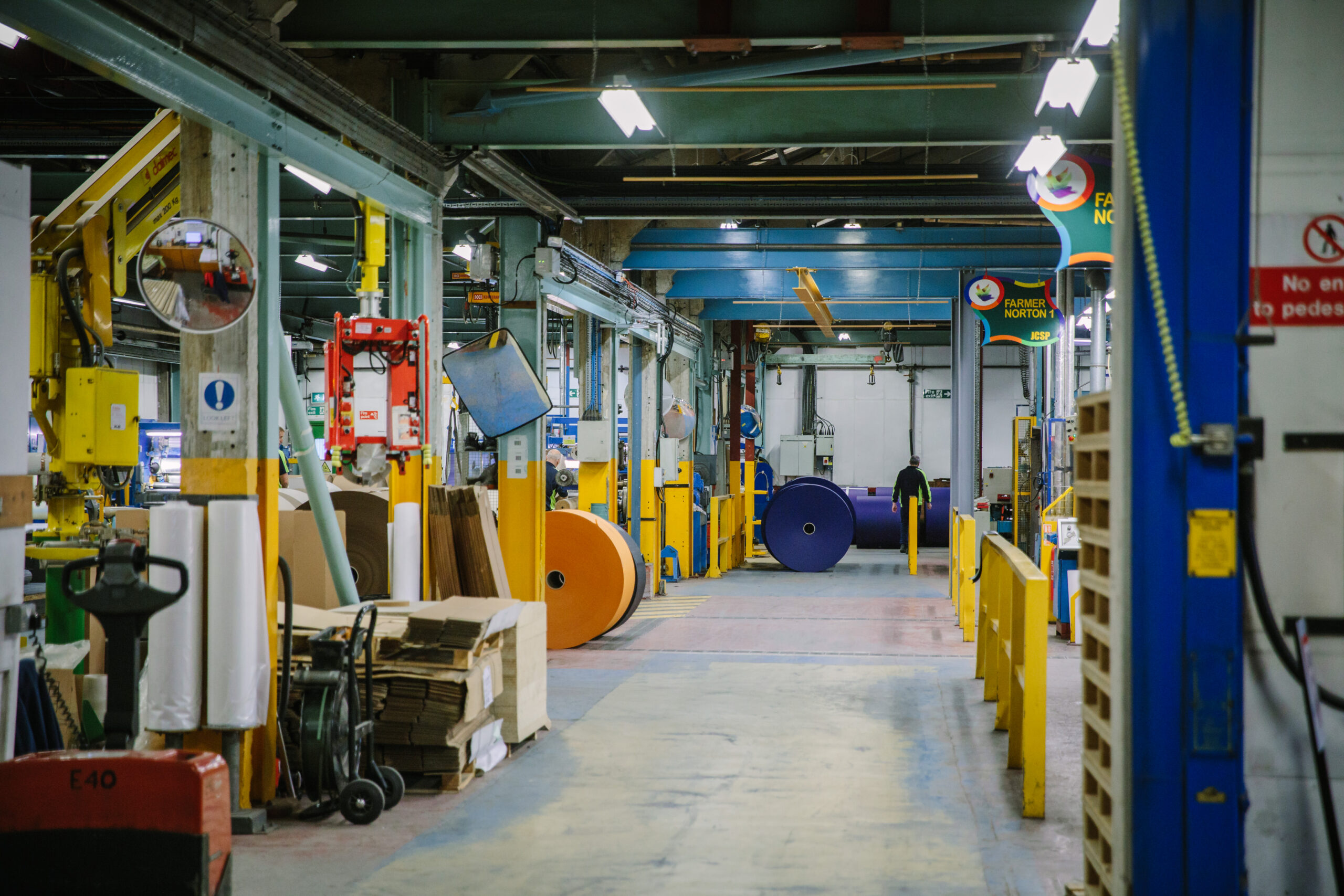
“I think it’s difficult to answer because, unless you have been to the mill, it is almost impossible to appreciate the complexity behind it,” she says. “Paper is much more technical than people think.”
That understanding has become central to Jordan’s approach to marketing.
In a technical business, communicating value cannot begin with the finished product alone. It has to start with understanding the process, the people and the expertise that make that product possible.
“My marketing role does not start and end with asking for what I need,” she explains. “It is about understanding how we make it happen. How do we find the machine time? How do we solve the challenges? How do we bring the different parts of the business together to deliver the right outcome?”
It is a different view of marketing. One where credibility is built through knowledge, and where external communication is only as strong as the internal understanding behind it.
For specialist manufacturers, that connection matters.
Because the value of a material is rarely found only in what customers see.
It is found in everything that happens before.