Details behind desire: The fine art of getting noticed

Published:
20 Jul 2026
“For a package to halt the customer’s attention on a supermarket shelf, it should do so within one-twentieth of a second .” That was the argument made by Roy Osborne, Chairman of The Colour Group, in 1995. Fast forward 30 years, and that fraction of a second feels like a lifetime. In the attention-driven economy of today, products need to hook consumers in near instantaneously. This is possible, but it doesn’t happen by accident – it’s engineered, down to the microscopic details in each layer of packaging material.

Market competition has traditionally been quite a simple thing. You see two similar products on a shelf from different brands, and you pick up the one that grabs your attention. Today, it’s not so simple.

You still see two products on-shelf, but you also see products in point-of-sale displays dotted around the store. You see messaging and signage on every surface, diverting your attention to deals and offers. You hear pop music playing over the PA system, usually interspersed with more advertising. You think about the podcast you listened to on the way in, the TikTok you scrolled through last night, the TV show you’re going to binge when you get home, the constant buzz of push notifications hitting your phone… in the attention economy, everything and everyone can be a competitor.

Packaging materials today don’t just have to grab the attention; they have to hold it and quickly reel consumers in. That means being bold enough to be noticed and subtly detailed enough to offer something new on closer inspection, acting as a self-contained marketing funnel that goes from beginning to end in a split-second. Great manufacturing involves walking this tightrope, delivering loud and quiet messages at the same time.
Attention in, attention out

While packaging has to deliver a dramatic first impression, the manufacturing expertise behind it often depends more on observation.

It relies on noticing and applying small details to deliver the right kind of experience. Each one is like a cog in a clockwork mechanism. If even the smallest one doesn’t work exactly as intended, the whole system breaks down. A slight change in shade. A minor shift in texture. A fibre behaving differently in the stock. A finish that responds in an unexpected way under pressure, heat, light, or touch. It can all affect the end result and sway a snap purchasing decision one way or the other. To grab the attention, we first need to pay attention to all elements of a pack.

That can sound like a simple thing, but in a technical manufacturing environment, it is one of the most advanced skills there is. It asks us to see beyond the immediate task and understand the relationship between material, machine, process, application, and ambition. It asks us to recognise what is normal, what is changing, what that change might mean, and most importantly, where it might lead us.

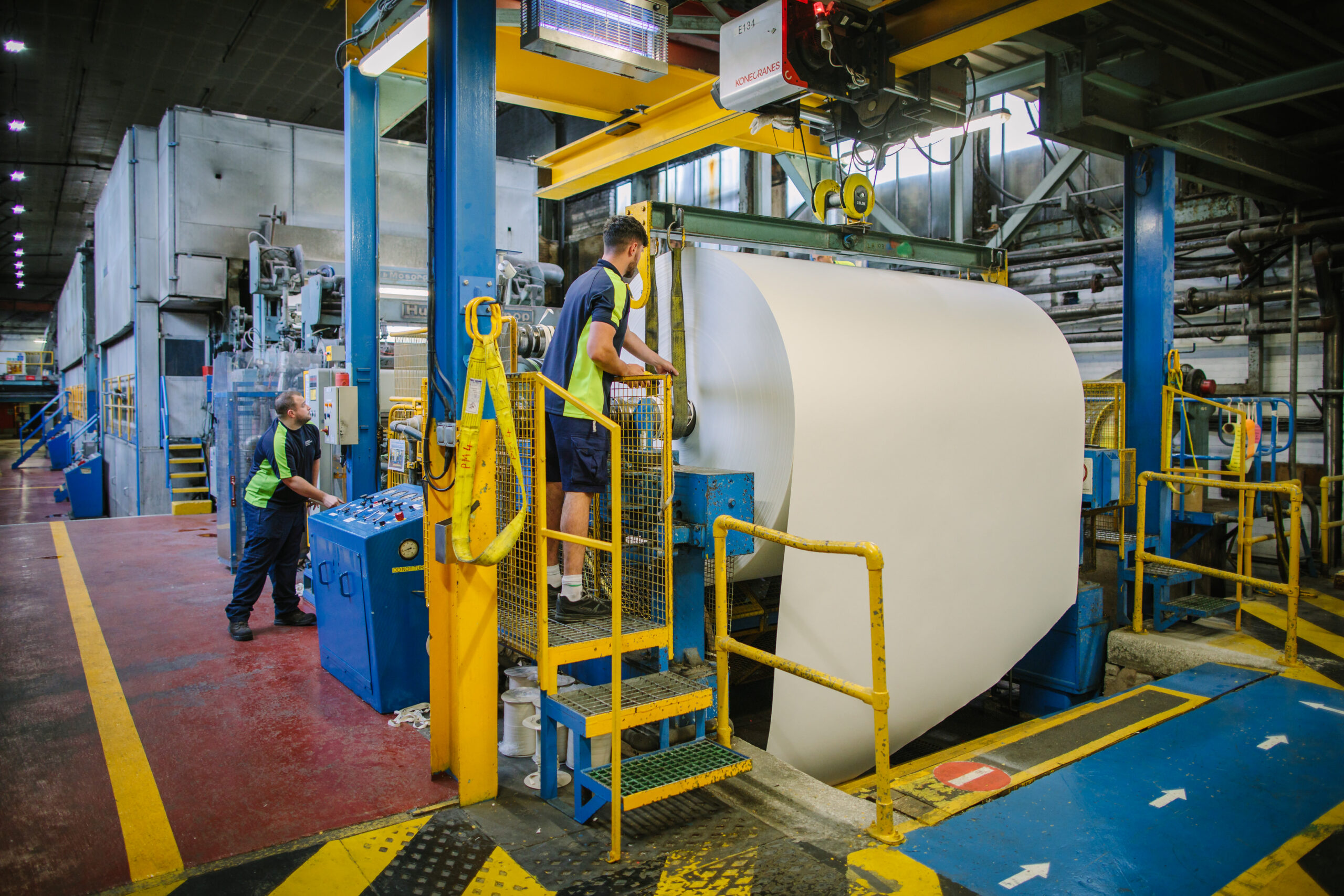
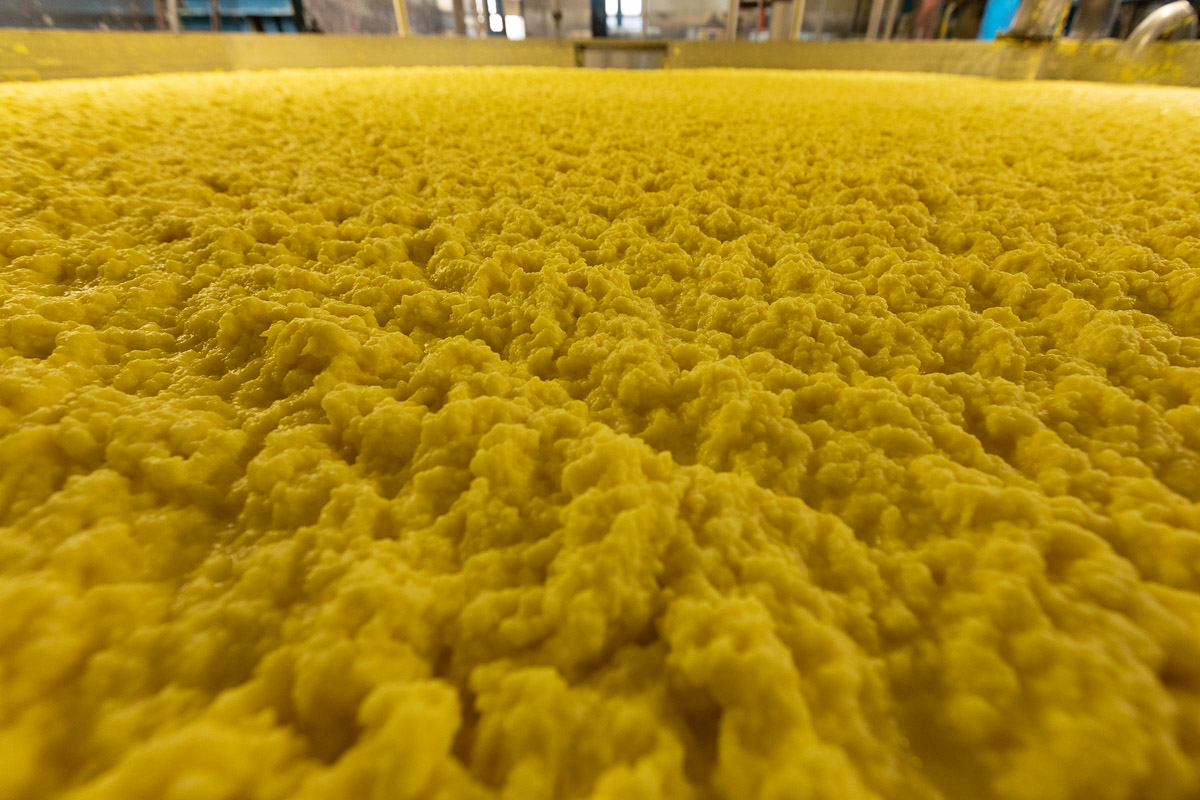
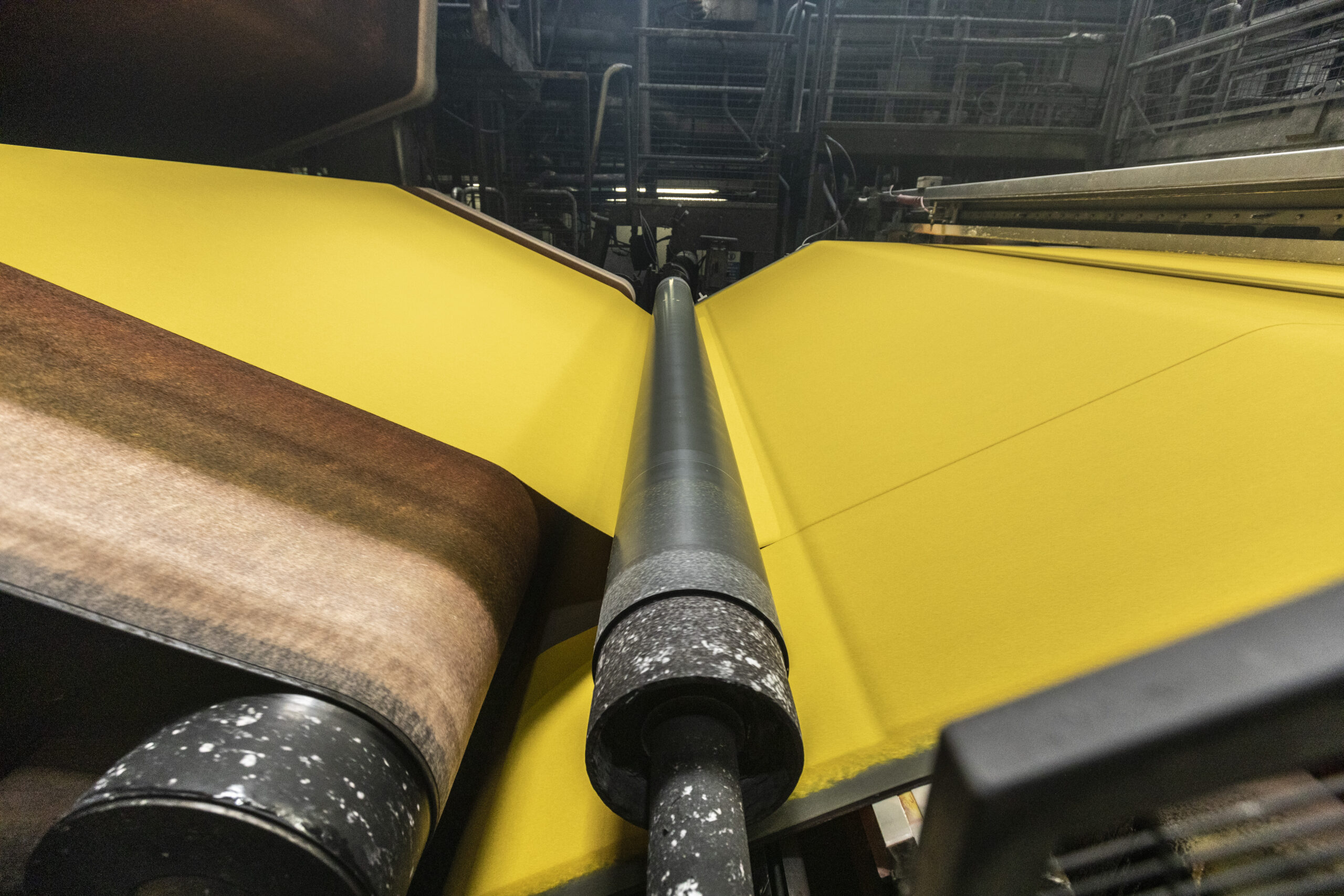
In papermaking, this creative journey demonstrates how paper is never just a flat surface. It is a living balance of fibre, water, colour, chemistry, formation, drying, finishing, and time. Each sheet carries the memory of its making and, in the case of recycled fibres, this is literal, as the recycling process shortens fibres without removing any whitening agents or dyes. This can result in a subtly rougher texture and different colour behaviour in the finished product, which must be accounted for during manufacturing. Mastering these many variables creates an unlimited palette of creative opportunities to choose from.

In other words, each material decision influences the next. To produce something beautifully, consistently, and responsibly, you have to pay attention to all of it.

Investing in attention

It’s worth remembering that these decisions don’t have to be made reactively. During the journey to full-scale production, it’s likely that problems will be identified and solved along the way, yes. But the most valuable work often happens before these problems ever happen in the first place.

That might happen when a machine operator notices a small variation in behaviour. It happens when a colour specialist sees that a shade has technically matched a target but does not yet carry the right emotional weight. It happens when a technical team questions how a material will perform not only at the mill, but in converting, filling, packing, shipping, retail, and eventual use.

Put simply, it happens because of expertise.

Manufacturing expertise lies in knowing how to leverage technology to create something efficiently without losing its soul. This is particularly important in premium paper and packaging, where the difference between good and exceptional is often felt before it can be explained. A luxury box cover paper might need to hold colour with precision, fold cleanly, accept embellishment, support structure, and deliver a specific sensory experience in the hand. Each one of these demands can be measured, tested, and engineered. The impact they have on the whole is harder to quantify, but it’s immediately obvious when it’s missing.

In this sense, attention is like an investment in packaging. You pour attention into a project, and you get it back many times over when the finished product is on shelves.

That doesn’t mean the machines have to stop running while operators pore over every fibre in every sheet. If the right processes and expertise are in place and the supplier is aligned with the customer’s vision, they don’t have to.

These details are what separate products that can grab the attention from products that can hold it, planting a flag in the consumer’s subconscious and shutting down all other distractions. And, if all those details are right, one-twentieth of a second is all you need.

Turn attention into impact

Every detail has the power to shape how your packaging is seen, felt and remembered. Contact James Cropper to discover how our expertise in premium paper and packaging can help bring your next project to life.