The Last Mill Standing: 180 years in the making. Everything still to prove.

Published:
4 Nov 2026
For more than 180 years, James Cropper has been making paper in the Lake District. Now, a candid new documentary takes viewers inside Britain's last remaining specialist coloured paper mill, revealing a business confronting its challenges, rediscovering its strengths and determined to secure its future.

There is something extraordinary about a place that has been making things for 180 years.

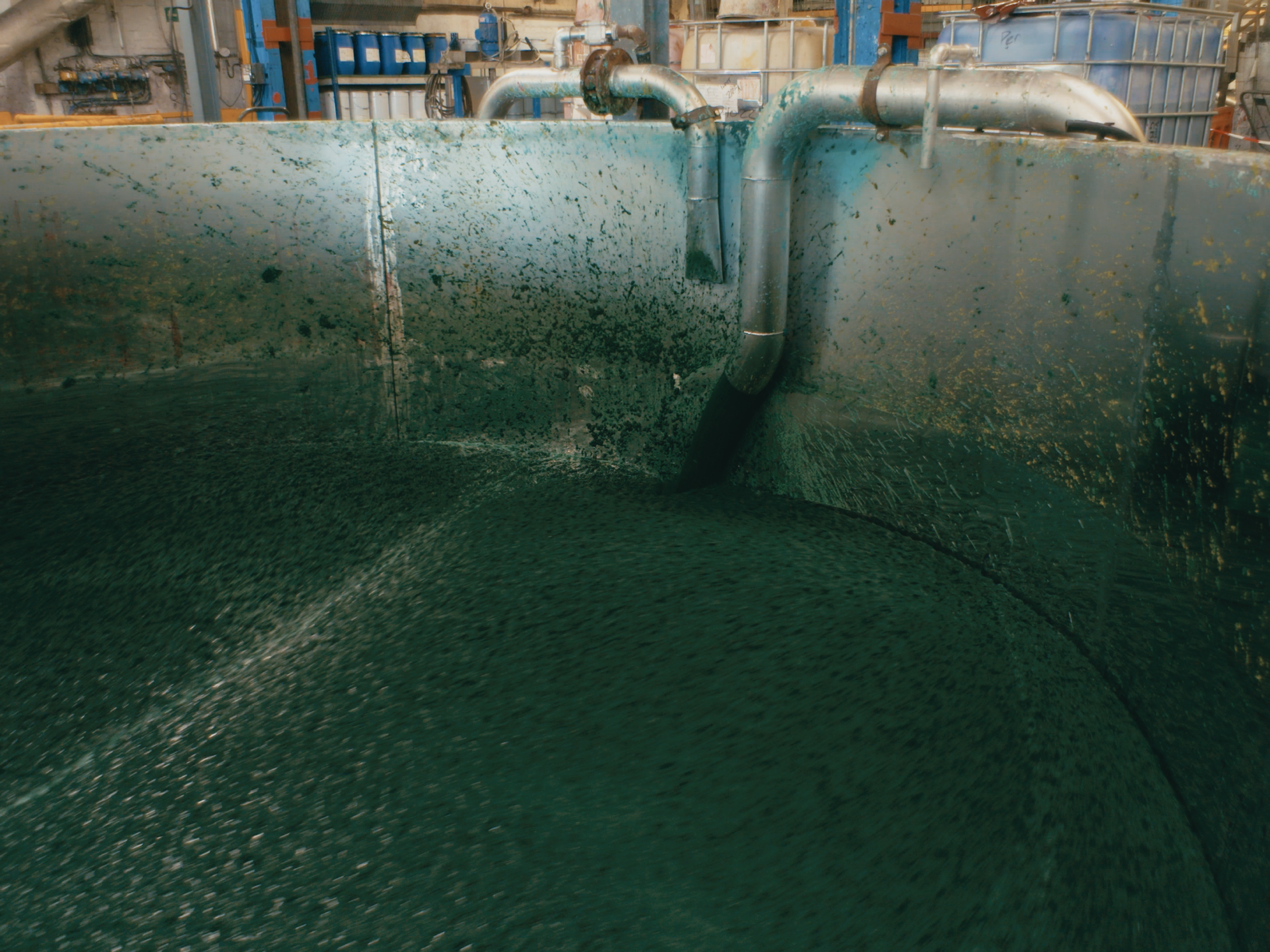
At Burneside Mill, on the edge of the Lake District, generations have passed through the same gates to begin their working day. The machinery has evolved, the markets have changed and the world beyond the mill has transformed almost beyond recognition. Yet the essential act of papermaking, turning fibres suspended in water into something beautiful, useful and enduring, remains.

It is a process that still inspires wonder, even among those who have spent decades perfecting it. Yet history alone cannot keep a paper mill running.

Thirty years ago, Britain had more than 400 paper mills. Today, according to Paul Barber, Managing Director of Paper and Packaging at James Cropper, that number has fallen to just 36. And the number of specialist coloured paper mills now sits at just one.

Behind those closures lie the familiar pressures of modern manufacturing: rising costs, changing demand, international competition and the considerable challenge of remaining commercially viable in an energy-intensive industry.
Behind the mill gates

Filmed during July 2026, The Last Mill Standing offers an unusually candid look inside a British manufacturer working to secure its future. James Cropper was in the midst of a boom period after working to strengthen profitability in its Paper & Packaging division under Paul Barber’s leadership. Its performance had exceeded expectations, a trend that continues to this day – but, as the film explores, success can bring its own challenges as demand grows.

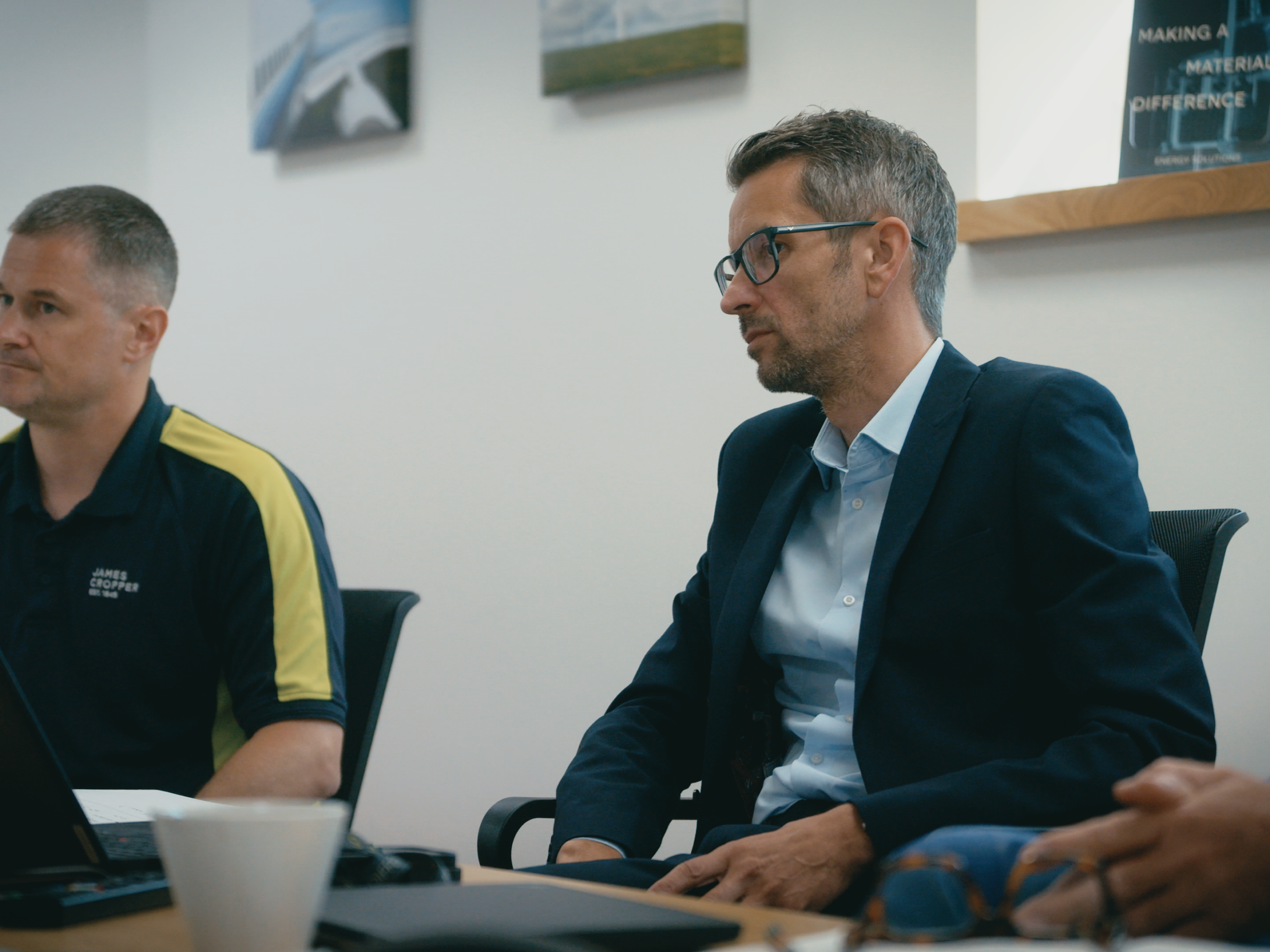
The cameras follow the people responsible for keeping Burneside’s success story going, from senior leadership to the production floor, capturing the decisions, frustrations and small victories that rarely feature in the polished world of corporate communications.

There are difficult conversations about safety, staffing and production. Machines break down. Plans change. Interviews are interrupted by telephone calls from the factory floor. There is humour, occasional exasperation and a remarkable sense of camaraderie.

It is manufacturing as it really happens.

For Paul Barber, who joined James Cropper to lead its Paper and Packaging business through a period of significant change, the challenge is clear.

“We were the inventors of coloured paper going back 180 years ago and we really are the pioneers of colour in the market,” he explains.

That pioneering spirit remains central to his ambitions. But he is equally clear that restoring the business’s momentum requires difficult decisions, greater commercial focus and a willingness to challenge established ways of working.

Asked what he would say to those who expect James Cropper to fail, his response is characteristically direct.

“Good luck, because we’re not going to.”

It is a moment of defiance that captures much of the documentary’s character. There is pride in what James Cropper represents, but little appetite for relying on reputation alone. As Barber puts it: “Watch out, because James Cropper’s coming back.”

The extraordinary in the everyday

Spend time inside Burneside Mill and it becomes apparent how much intelligence sits behind something as seemingly simple as a sheet of paper.

Fibres, water, colour and chemistry must work together with remarkable precision. Materials are developed to meet specific requirements for appearance, texture, strength and performance. Colours must be reproduced consistently, often to exacting specifications for some of the world’s most recognisable brands.

Some equipment has been operating for decades, maintained and adapted to meet changing demands. Replacing a single internal gear can mean removing sections of a roof, cutting through ductwork and lowering a crane into the machinery. A seemingly straightforward repair can take a week.

That same combination of established engineering and specialist capability offers a competitive advantage. While larger, newer mills are often designed around high-volume production, James Cropper’s manufacturing flexibility allows it to respond to smaller requirements, develop bespoke materials and create colours and finishes that would be difficult to achieve elsewhere.

For Mark Cropper, sixth-generation Chairman, the fascination begins with the fundamental process itself.

“The bit that I love the most is just the magic of its making,” he says.

From luxury perfume packaging and watch boxes to carefully specified materials found around the world, products that begin life in a small Cumbrian village can become part of something extraordinary thousands of miles away.

When adversity becomes a catalyst

The documentary makes no attempt to disguise the difficulties James Cropper has faced.

Following a period of falling demand and significant financial pressure, the unexpected loss of a major customer presented another serious challenge. Within six weeks, however, James Cropper had developed and launched Coloursource, a new paper offering born out of the determination to respond rather than retreat.

It was an example of what could be achieved when commercial urgency met technical expertise, creativity and a willingness to work differently.

That response reflects a broader transformation taking place across the business.

Production processes are being reviewed, maintenance is becoming more predictive and teams are placing greater emphasis on safety, efficiency, training and customer requirements.

One example is the introduction of more proactive equipment monitoring, using analysis of machinery performance to anticipate failures rather than simply responding to breakdowns. According to the documentary, this approach is delivering annual savings of approximately £250,000 to £300,000.

Knowledge worth keeping. Progress worth making.

Among the documentary’s most revealing themes is the relationship between experience and change.

Some people at Burneside have worked for the business for 30, 40 or even 50 years. Their understanding of papermaking, machinery and materials reflects decades of practical experience, observation and continual learning.

But modern manufacturing cannot depend on people remaining in the same roles for an entire working lifetime.

As one colleague observes, future employees may spend three years in a position rather than 33. The challenge is ensuring that the knowledge accumulated over generations can be documented, shared and applied effectively, allowing new colleagues to develop their capabilities more quickly.

Experience remains invaluable, but it must be supported by consistent processes, effective training and systems that make excellence repeatable.

The same thinking extends to the next generation.

Through school visits, mill tours and opportunities to experience manufacturing firsthand, James Cropper is helping people understand the extraordinary possibilities of paper and the skills required to produce it.

The future of British manufacturing depends as much on inspiring the next generation as it does on preserving the expertise of the last.

A mill at the heart of a community

There is a particularly memorable moment in The Last Mill Standing when visitors are introduced to an area of Burneside historically known as the “triangle of life”.

At its centre were three buildings: the church, the school and the mill.

For generations, local people were christened in the church, educated in the school and employed at James Cropper. Many would eventually return to the church to marry or be buried.

It is a wonderfully simple illustration of how closely the business and community have grown together.

The mill has supported generations of families, provided employment and helped shape the village around it. Its influence even extended to supplying electricity to the local community, long before it became commonplace.

Today, that connection remains significant.

James Cropper is a major local employer and part of a wider network of suppliers, customers and specialist manufacturing capabilities that contribute to the regional economy.

For a business whose materials find their way into luxury packaging, creative projects and products across the world, those local roots remain an essential part of its identity.

The future is still being made

Production volumes are growing, with the business targeting approximately 22,000 tonnes this year, compared with a previous annual run rate of around 20,000 tonnes. New products, closer customer relationships and renewed operational discipline are helping to build confidence in what comes next.

There are still challenges to overcome, and the documentary is refreshingly open about them. What emerges, however, is a business increasingly confident in its direction, with the determination to turn difficult decisions into lasting progress.

Above all, The Last Mill Standing captures James Cropper at a moment when its history matters enormously, but its future matters even more.

180 Years in the Making. The Next Chapter Starts Here.

Go beyond the mill gates and discover the people, ingenuity and determination behind a remarkable story of British manufacturing. From the magic of papermaking to the realities of reinvention, The Last Mill Standing is an unfiltered look at a business with an extraordinary past and everything still to play for.