Does being British-made still matter?

Published:
9 Oct 2026
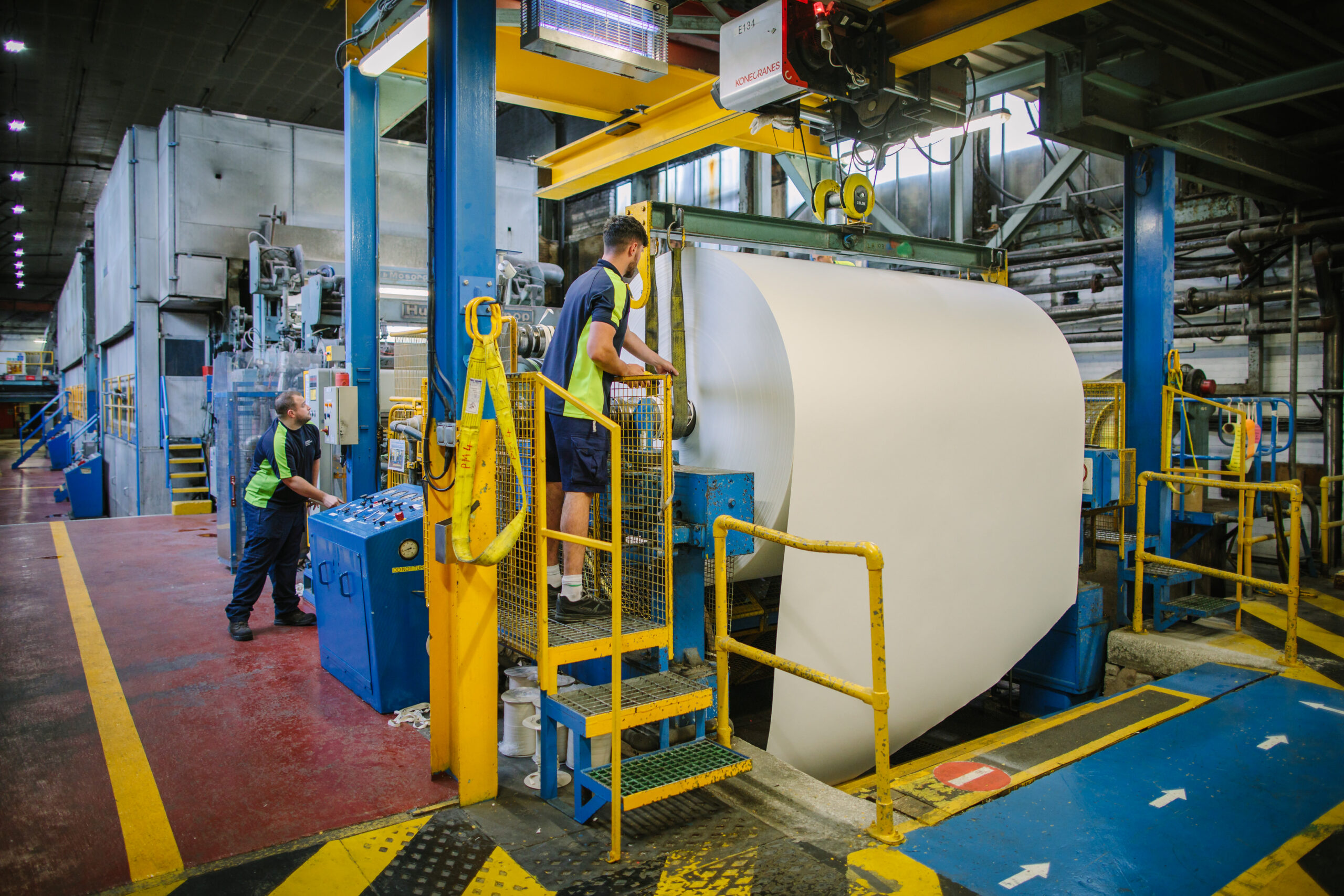
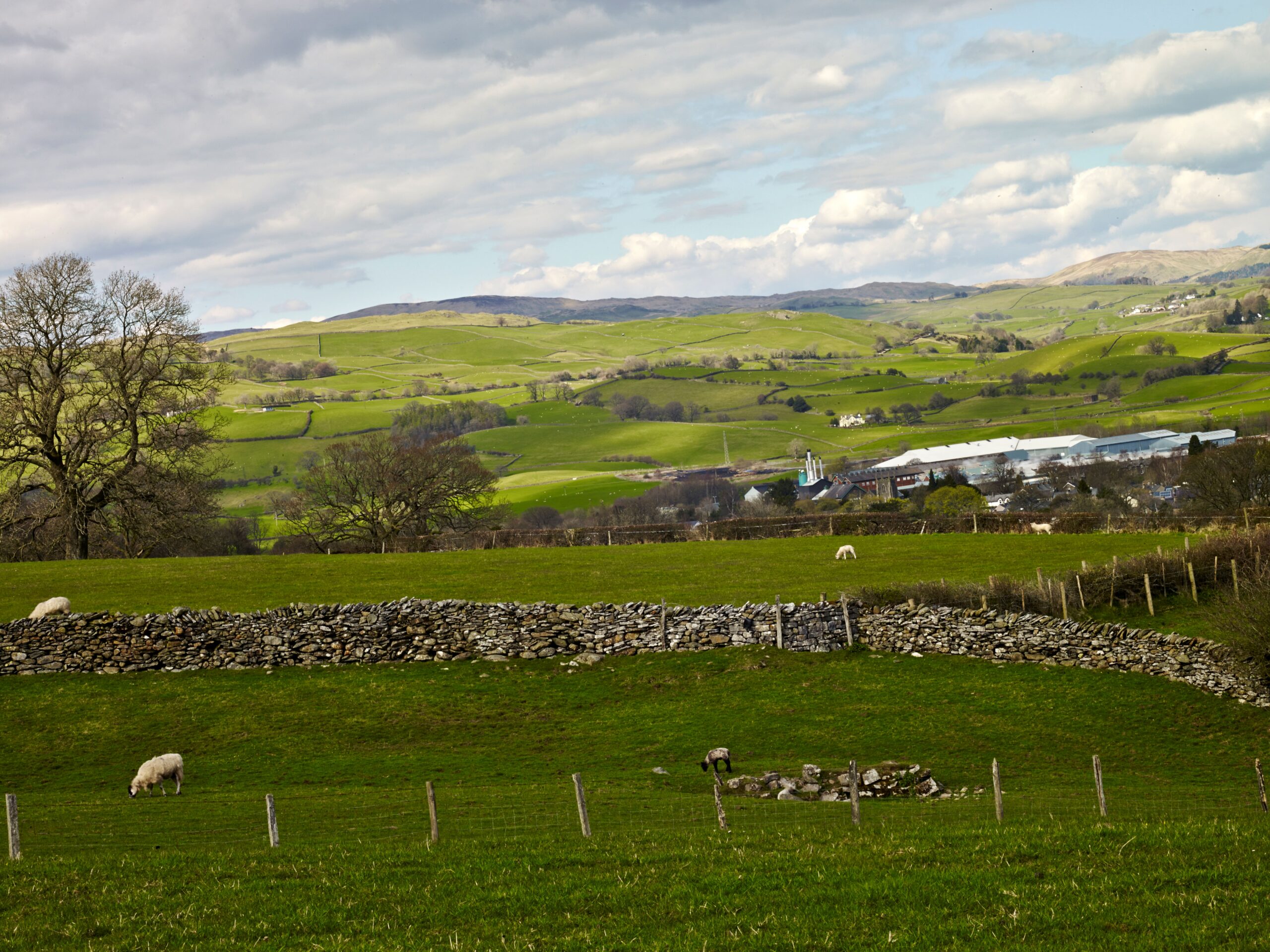
In Burneside, beside the River Kent, a sheet of coloured paper begins a journey that may take it across the world. It might become part of a box someone keeps long after a gift has been opened, or the first thing they touch when discovering a brand. Few of the people holding it will ever see the mill where it was made, yet its character is inseparable from this place.

At James Cropper’s mill, more than 180 years of papermaking have built deep knowledge of how fibres behave, how colour develops, and how a sheet will perform. Some of the most useful judgements come from working alongside someone who has made them before. Generations of experience become something tangible that can be seen and felt.

Knowing where a product was made connects it to a tradition of skilled work. In a world that can feel increasingly remote, that connection is part of the enduring appeal of British-made goods. It gives a product meaning beyond its immediate purpose.

Keeping that connection alive, however, takes more than affection. Global supply chains have widened sourcing options, heightening competition in price and speed. Brands face demanding specifications, tight margins, and pressure to justify every purchasing decision. Heritage has to be put in service of quality, and that’s where British papermaking shows its true value.

Where provenance earns its place

Provenance clearly appeals to British consumers. A YouGov survey commissioned by industry non-profit Made in Britain found that 70% of consumers were more likely to buy products displaying its trademark, compared with 44% in 2025[1]. That suggests an appetite for British-made goods, although it does not establish how much extra shoppers will pay, or what a packaging buyer should spend.

This presents an opportunity for manufacturers to explain how their products connect to that preference. Where does British provenance create value that a customer can feel, a designer can use, and a procurement team can justify? The answer lies in what proximity to specialist manufacturing can make possible.

[1] https://www.madeinbritain.org/news/consumer-demand-made-in-britain-products-continues-to-grow-jul-26

Hidden costs

That proximity to expertise matters because it helps businesses decide when the right move isn’t always the most obvious.

Material price is immediately visible. But the cost of uncertainty often only becomes clear much later. Manufacturers looking to balance consumer demands need to weigh both.

For example, a colour formulation that drifts out of tolerance between production runs can compromise a carefully built brand identity. A material that behaves unexpectedly on the converting line can mean wasted stock and lost time. A delayed delivery can put a launch under pressure. These are very real commercial considerations, even when they never appear beside the price on a quotation.

As global supply chains become more complex, these considerations carry greater weight. Building dependable relationships is one way manufacturers can create greater certainty, and proximity can make those relationships easier to develop.

The value of reliability

Working with a domestic manufacturer can shorten delivery routes and reduce exposure to some of the complications that arise along them. Many problems that emerge when managing a project to completion can be avoided with a proactive approach, and it’s much easier to be proactive when you can visit a production site to discuss issues directly.

Traceability adds to this confidence. As regulations, particularly around packaging and supply chain transparency, demand that businesses follow materials back to their source, being able to speak with the people making decisions earlier in the supply chain can be invaluable even though it may never appear on a balance sheet.

The creative case belongs in the same conversation, especially when dealing with paper. A particular colour or texture can give packaging its character, and specialist knowledge helps make that character repeatable at scale. Early discussions with the papermaker can also identify when a specification adds cost without improving the result.

Sometimes the price gap remains too large. Manufacturers must keep improving efficiency and give buyers evidence of the value they provide. Consumers care about provenance, but asking customers to think the same way brings a responsibility to make a commercially credible case.

The people behind every purchase

Ultimately, manufacturing capability lies as much in people as in machinery.

As the country’s last specialist coloured paper mill, Burneside concentrates that depth of knowledge within a single site, making it a particularly valuable part of Britain’s manufacturing capability.

The forthcoming documentary, The Last Mill Standing, brings that manufacturing perspective to the fore. Through the people behind the paper, it explores the expertise, pressures and determination involved in keeping specialist British manufacturing moving forward.

Purchasing discussions naturally focus on what the buyer needs. The film invites a closer look at what it takes to meet those needs, and what becomes vulnerable when specialist capability loses the work that sustains it.

It also highlights an often-forgotten benefit of British manufacturing, situating the mill within a community. It provides livelihoods and creates opportunities to learn skilled work. And its relationships with local suppliers spread these benefits further. For a young person, a working manufacturer can make a skilled technical career possible close to home. It may never appear on a quarterly report, but it still represents an investment in the future.

The person holding a finished pack may never have been to Burneside. Yet the colour they see, the texture they feel, and the quality they expect all carry the work of the people there. Making that connection visible gives British provenance its meaning: linking the product in someone’s hand to the place it came from, the confidence it gives a business, and the people behind it.

See the difference for yourself

Behind every sheet of James Cropper paper is more than 180 years of knowledge, craftsmanship and innovation. Discover what that expertise could bring to your next project. Speak to our team, explore our capabilities or arrange a visit to Burneside to experience British papermaking firsthand.