From our earliest days, we’ve been defined by a pioneering mindset. Long before we began papermaking, our Burneside site had a rich industrial history processing grain, textiles and leather. Over time, it evolved to meet the changing needs of the world around it. That spirit of adaptation remains central to who we are.
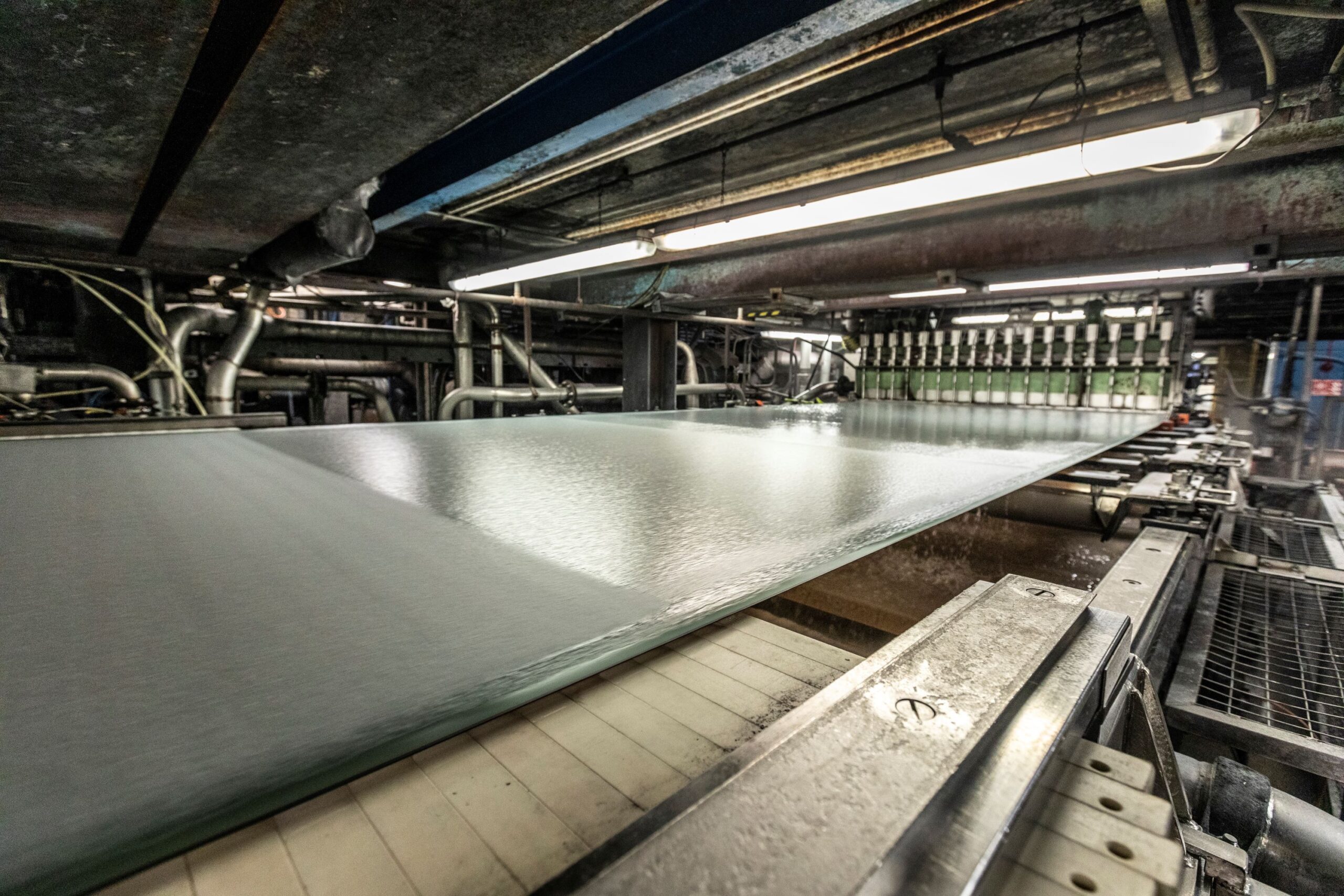
In 1845, the Cropper family acquired the lease to Burneside Mill and began producing paper using one of the most advanced technologies of the time: the Fourdrinier machine, first patented in 1801. Just over a decade later, we became one of the first papermakers in the world to introduce coloured papers, using newly discovered synthetic dyes in 1856. This early embrace of innovation set the tone for everything that followed.
As the world changed, so did we. During the First World War, we supplied specialist paper for the British war effort. In 1978, we partnered with the Royal British Legion to develop the iconic red paper still used today for Remembrance Day poppies. Alongside these milestones, we invested in our local community, building homes in Burneside to house mill workers. Many of these houses still stand.
In 1886, the original mill was tragically destroyed by fire. Rather than marking the end of our story, the fire became a catalyst. Rebuilding began immediately, and by 1902, we had constructed the Potter Fell Reservoir to provide high-pressure water for the mill. This vital infrastructure continues to support our manufacturing processes to this day.
By the 1980s, our ambitions extended beyond traditional papermaking. In 1986, our research into non-cellulose fibres led to the creation of Technical Fibre Products, now James Cropper Advanced Materials. These high-performance nonwovens support sectors ranging from hydrogen and aerospace to medical.
While our roots run deep, they have never held us back. Instead, they have provided a foundation for continuous evolution – creatively, technically, and sustainably.
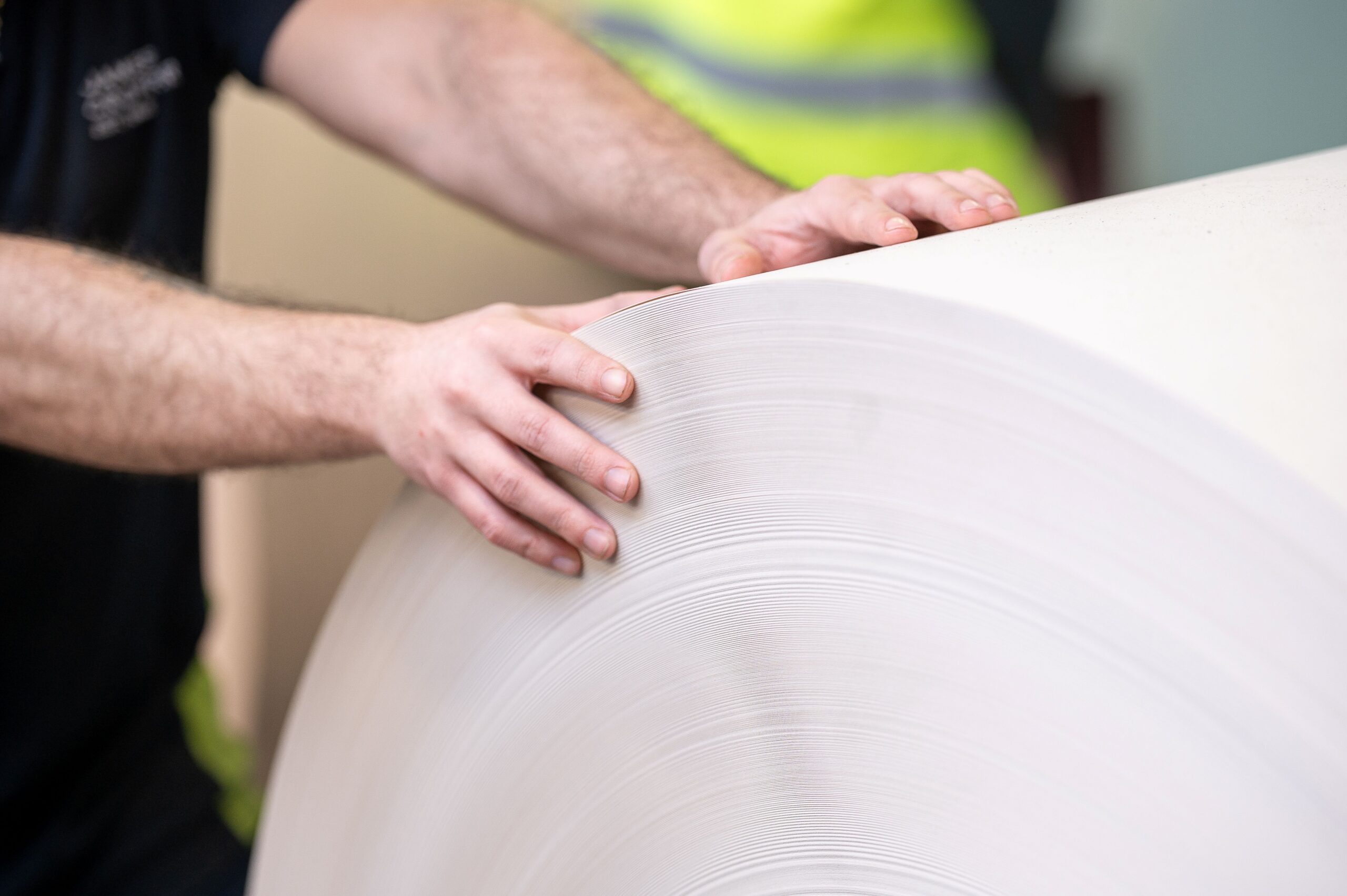
Today, we serve a global customer base with custom-made papers and advanced materials. Our papers are chosen by luxury brands, fine printers, designers and converters. Our moulded fibre packaging offers a renewable alternative to plastic. And our nonwoven materials are used in everything from aircraft and medical equipment to clean energy systems.
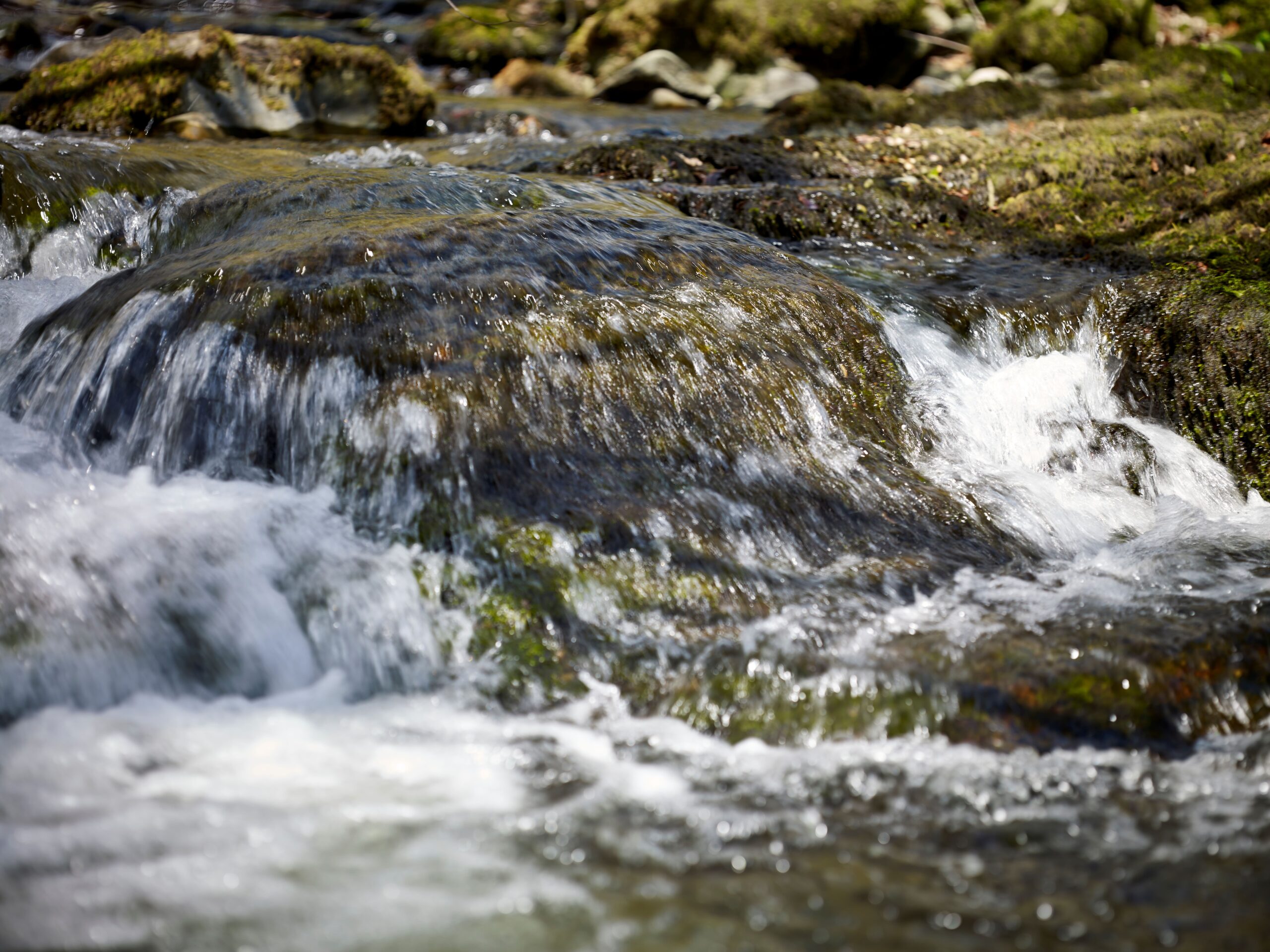
Innovation is not a department at James Cropper; it’s part of the atmosphere. It rises with the morning mist from the River Kent, weaves through the mill, and settles into every sheet we make.