Craft is collective

Published:
9 Apr 2026

Knowledge moves through people

Excellence is rarely the work of one person. At James Cropper, it is accumulated, a product of shared expertise, careful observation, and knowledge flowing freely between people. The mill’s reputation for precision, colour mastery, and papermaking excellence is built not on individual skill alone, but on how that skill moves through the team.

For Richard Walker, the mill’s new Mill Chemist, this principle is lived every day. A qualified nurse with a degree in pharmacology, he stumbled into paper making 23 years ago through a maternity cover role. “Paper making came to me by accident,” he recalls. “I went in to cover leave and never left. I learned from experienced colleagues, quality controllers, engineers, people who knew the machines inside out. That experience shaped me, and now I can bring it into a new environment.”

Richard’s journey has been varied. He has worked across medical and food packaging, in production and quality, navigating shifts and evolving systems—environments where precision is never the result of one person alone. Yet he frames the true measure of craft not in individual mastery, but in collective responsibility. “Quality, that’s always been my thing,” he says. “Is it right? Have we made it to specification? Will it do what the customer requires? Chemistry. That’s where the magic is for me. The process of papermaking.”
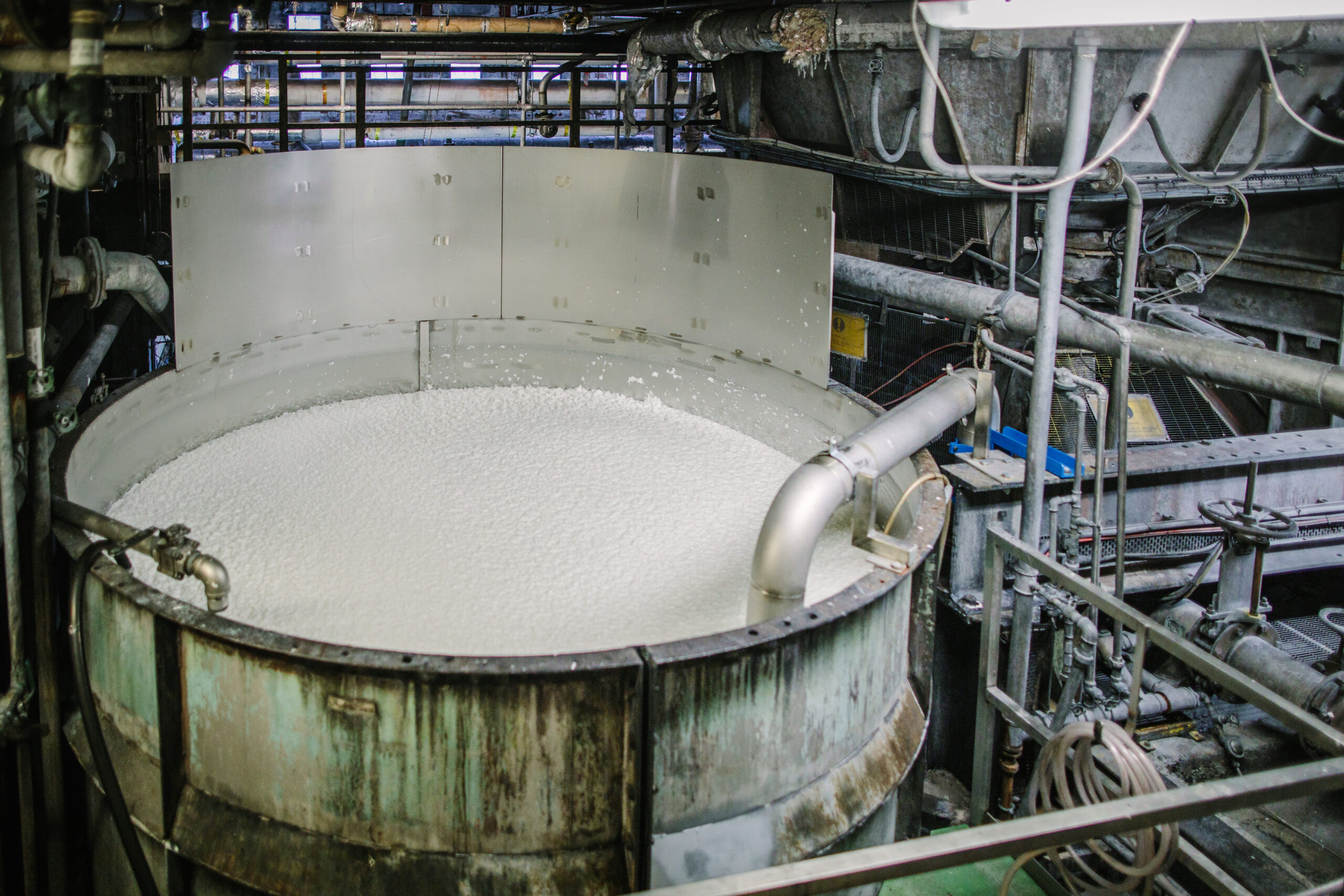
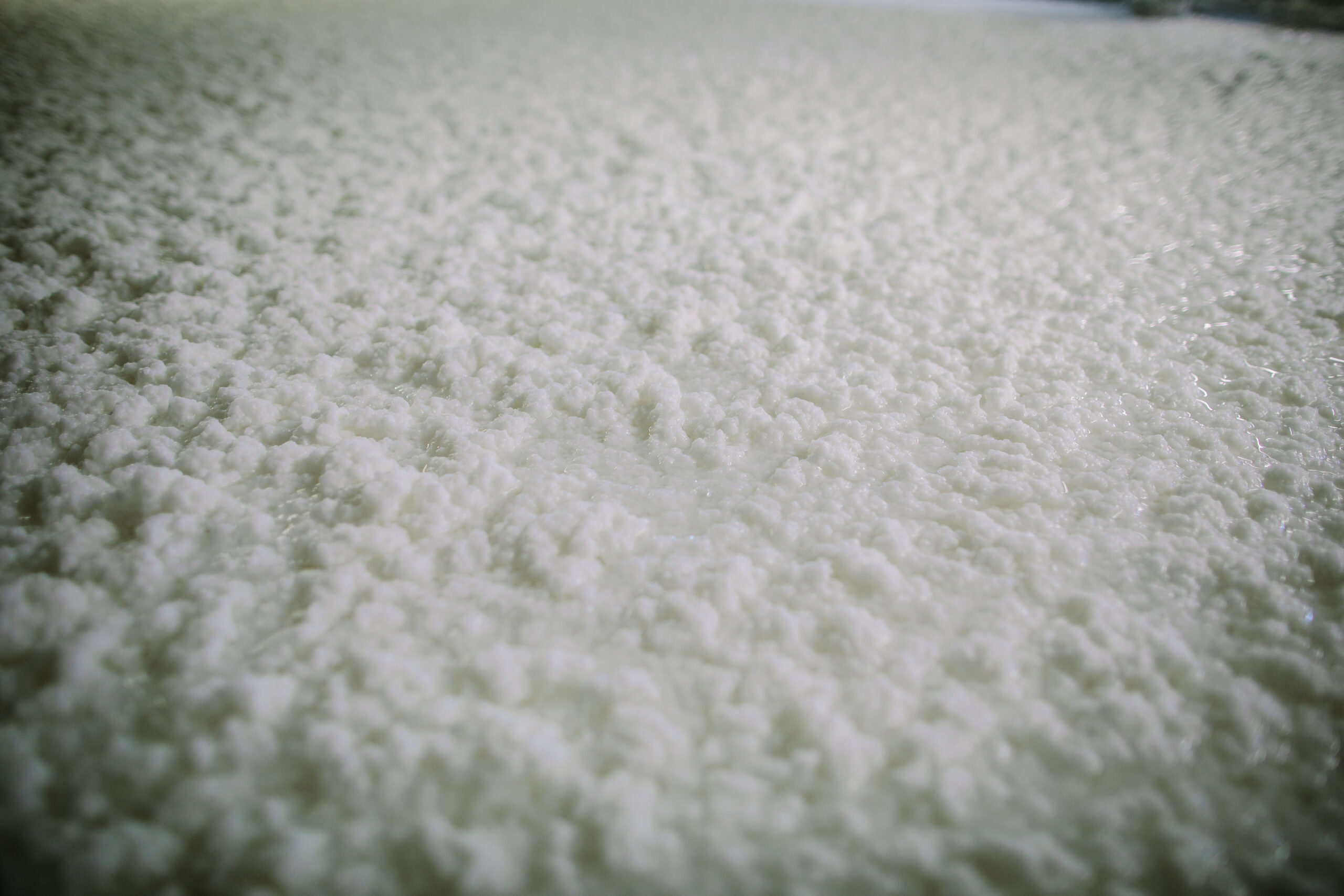
Embedding knowledge across every stage of production.

Quality depends on context

“I don’t want to come in like a bull in a china shop,” he says. “It’s about learning what the team does here, and then sharing knowledge where it can make a difference. I explain why tests are done, why chemical doses matter, and how small adjustments affect the final product. When expertise is shared, standards rise naturally, not because they are mandated, but because they are understood.”

This approach has immediate impact. “I was showing a new operator a test for printability, and he had no idea what it meant,” Richard explains. “As soon as I showed him how it relates to the chemical dosing in the paper process, he understood. He said, ‘No one’s ever taught me that.’ That’s what I want to do, give people knowledge, not just instructions.”

Knowledge-sharing at James Cropper is a team effort, spanning production, planning, operations, and sales. Richard observes, advises, and supports across departments, ensuring quality lives within the making, not outside it. “I’m constantly looking at how things are packed, how the processes interconnect, how small details impact the final product. Cleanliness, aesthetics, and precision, everyone plays a role in delivering high quality,” he says. “If we can eradicate even small issues, like dirt or contamination, the potential for improvement is huge. And the customers notice.”

Richard brings experience from international mills, including state-of-the-art facilities in Sweden. “Modern mills are highly automated, but you still need people who understand paper making,” he says. “You can’t just rely on software or machines. Human input, knowledge of the process, and the ability to see the big picture are irreplaceable. And that knowledge has to be passed on.”

Passing on knowledge is central to the idea of collective craft. Richard notes that many operators and staff may only understand their immediate tasks without seeing how their role affects others. “Quite a few people are very tunnel-visioned,” he says. “But to maintain quality, everyone needs to be aware of the big picture, what sales are doing, what production is planning, how decisions in one area impact the next. Craft is a conversation between people, materials, and process.”

From heritage to process collective excellence at scale.

Standards rise through sharing

The mill’s heritage amplifies this approach. James Cropper has served some of the most demanding brands for 180 years, building trust through reliability as much as innovation. “Customers know that even when things go wrong, the mill can produce what’s needed,” Richard observes. “That trust comes from consistency, but also from the knowledge shared across teams. My role is to help maintain that and ensure it continues.”

Now stepping into the Mill Chemist role, Richard’s focus shifts toward process capability, chemical utilisation, efficiency, and cost management. “I’ll be accountable for the assets and chemicals within James Cropper,” he explains. “I’ll also be a key contact for our chemical suppliers and our chemical management systems, working closely with Operations, Production, Planning, Technical and Quality teams to support continuous improvement across the mill.”

The impact of shared knowledge extends to quality and problem-solving. Richard is already analysing trends, identifying areas where minor faults or inconsistencies occur. “Before this interview, I was working on a dirt graph, looking at peaks, troughs, and trends over the past five years,” he says. “By understanding these patterns, we can anticipate issues rather than react to complaints. It’s about raising standards collectively, not by individual effort alone.”

Mentorship is another aspect of collective craft. “I try to explain to people why certain tests are done, why processes are designed in a certain way,” Richard says. “People might know the steps, but understanding why those steps matter is what makes them better at their job. That knowledge multiplies when it’s shared, and the whole mill benefits.”

This philosophy is evident across James Cropper. Knowledge is shared, standards rise naturally, and the mill thrives not because of one individual, but because of the collective care, expertise, and vigilance of the whole team. “Craft at scale is not about mastery in isolation,” Richard says. “It’s about making sure what I know can help someone else, and in turn, they help others. That’s where excellence lives.”

For Richard, this is the most rewarding part of his role: seeing expertise flow, standards improve, and the mill’s legacy continue. “The more people see how their work impacts the end result, the more quality becomes a natural part of the process,” he says. “That’s what craft really is, a shared responsibility that grows stronger as knowledge moves through the team.”

At James Cropper, craft is collective. Quality lives within the making, and excellence emerges not from one person, but from everyone working together, a testament to what happens when knowledge, skill, and attention flow freely across a team.

Because true craft is never individual.

Partner with our team

From material to process, every detail matters. Get in touch to see how our team can support your next challenge.