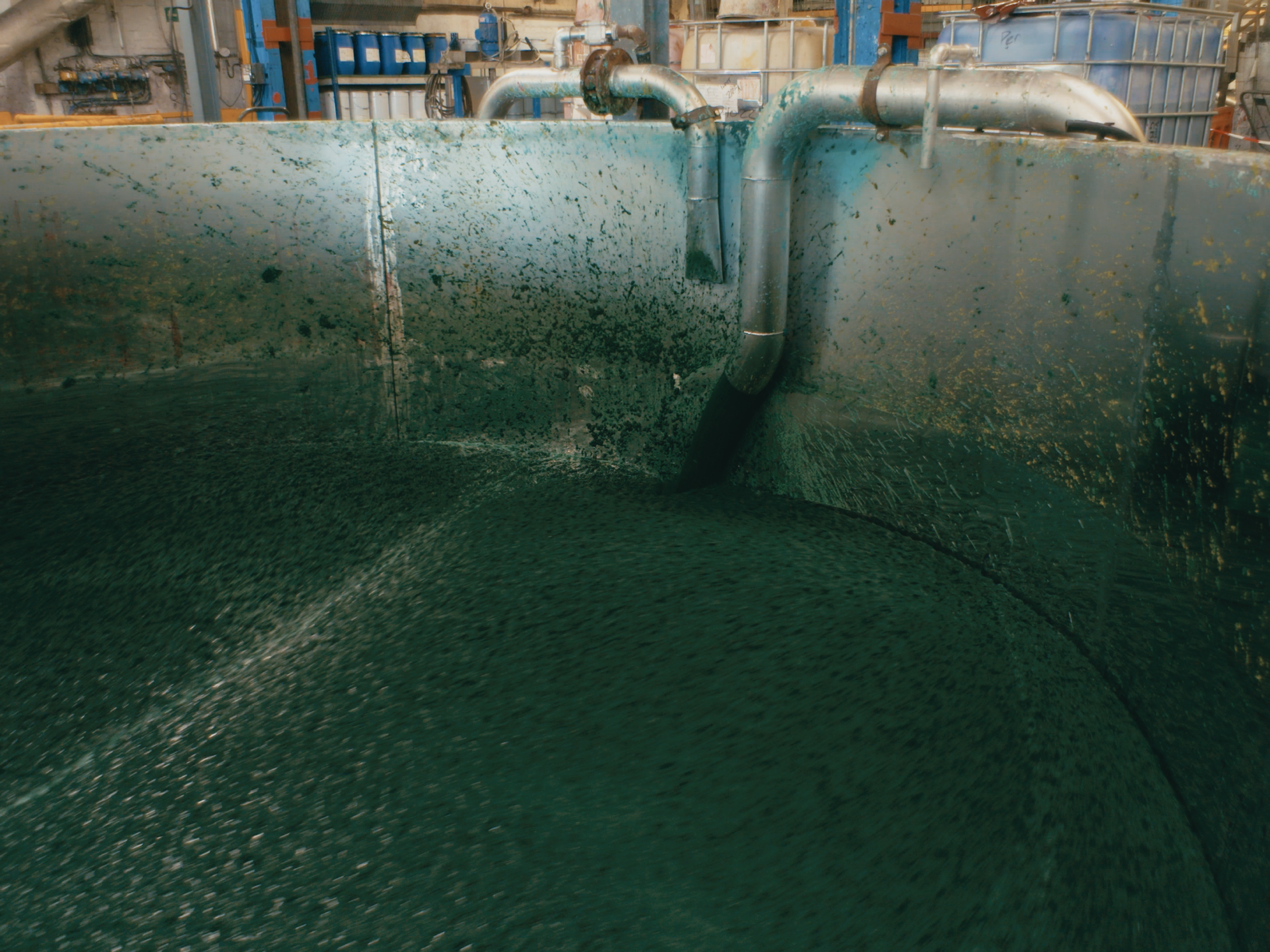
There is something extraordinary about a place that has been making things for 180 years.
At Burneside Mill, on the edge of the Lake District, generations have passed through the same gates to begin their working day. The machinery has evolved, the markets have changed and the world beyond the mill has transformed almost beyond recognition. Yet the essential act of papermaking, turning fibres suspended in water into something beautiful, useful and enduring, remains.
It is a process that still inspires wonder, even among those who have spent decades perfecting it. Yet history alone cannot keep a paper mill running.
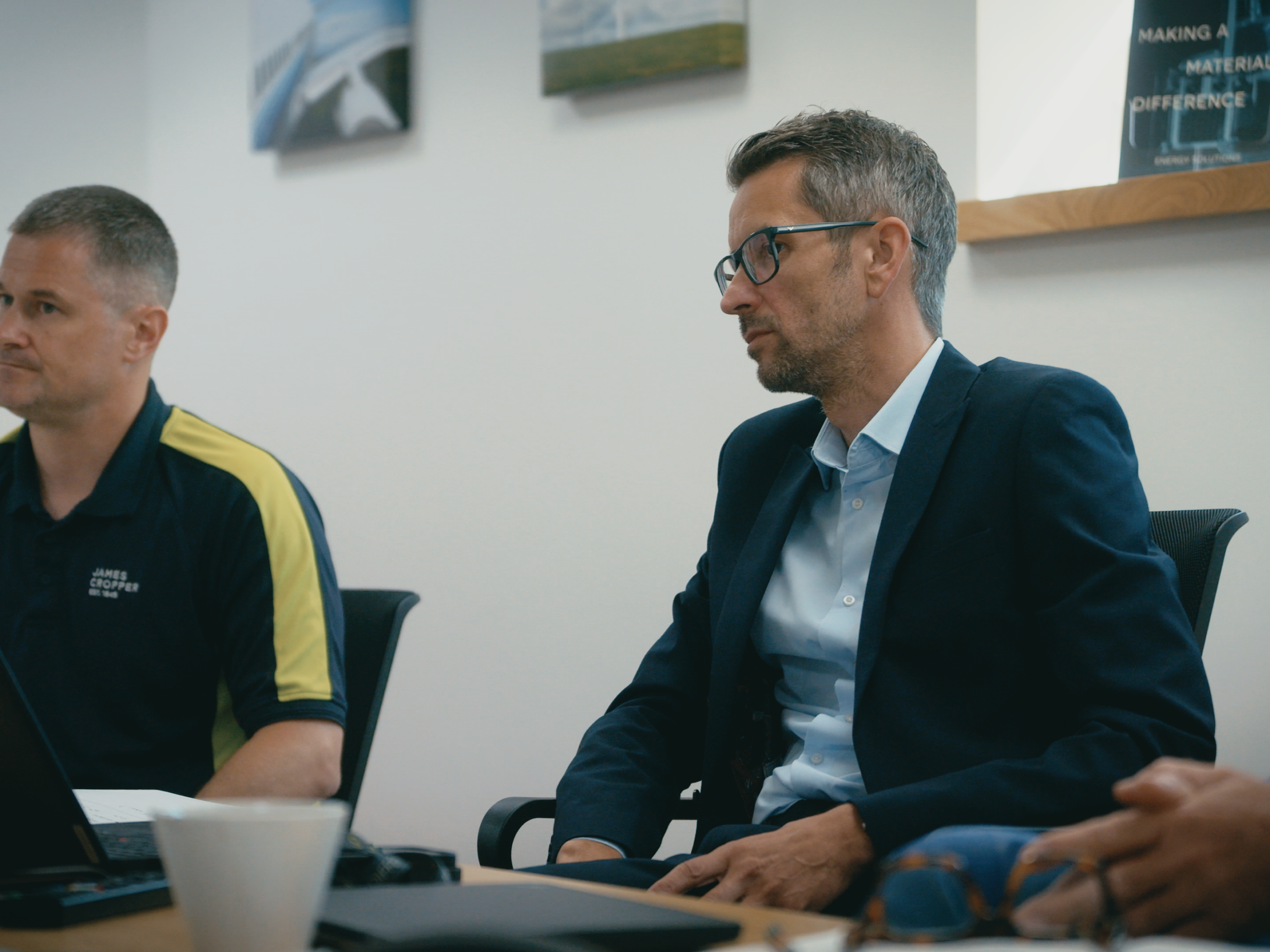
Thirty years ago, Britain had more than 400 paper mills. Today, according to Paul Barber, Managing Director of Paper and Packaging at James Cropper, that number has fallen to just 36. And the number of specialist coloured paper mills now sits at just one.
Behind those closures lie the familiar pressures of modern manufacturing: rising costs, changing demand, international competition and the considerable challenge of remaining commercially viable in an energy-intensive industry.