Where paper learns to move: An interview with Susan Castillo

Published:
17 Jun 2026

“PAPER. Texture, form, colour - true materiality.”

Susan Castillo’s words arrive like a note pinned to the start of a thought rather than the end of one. A reminder. A fixation. Something half-formed that refuses to sit still.

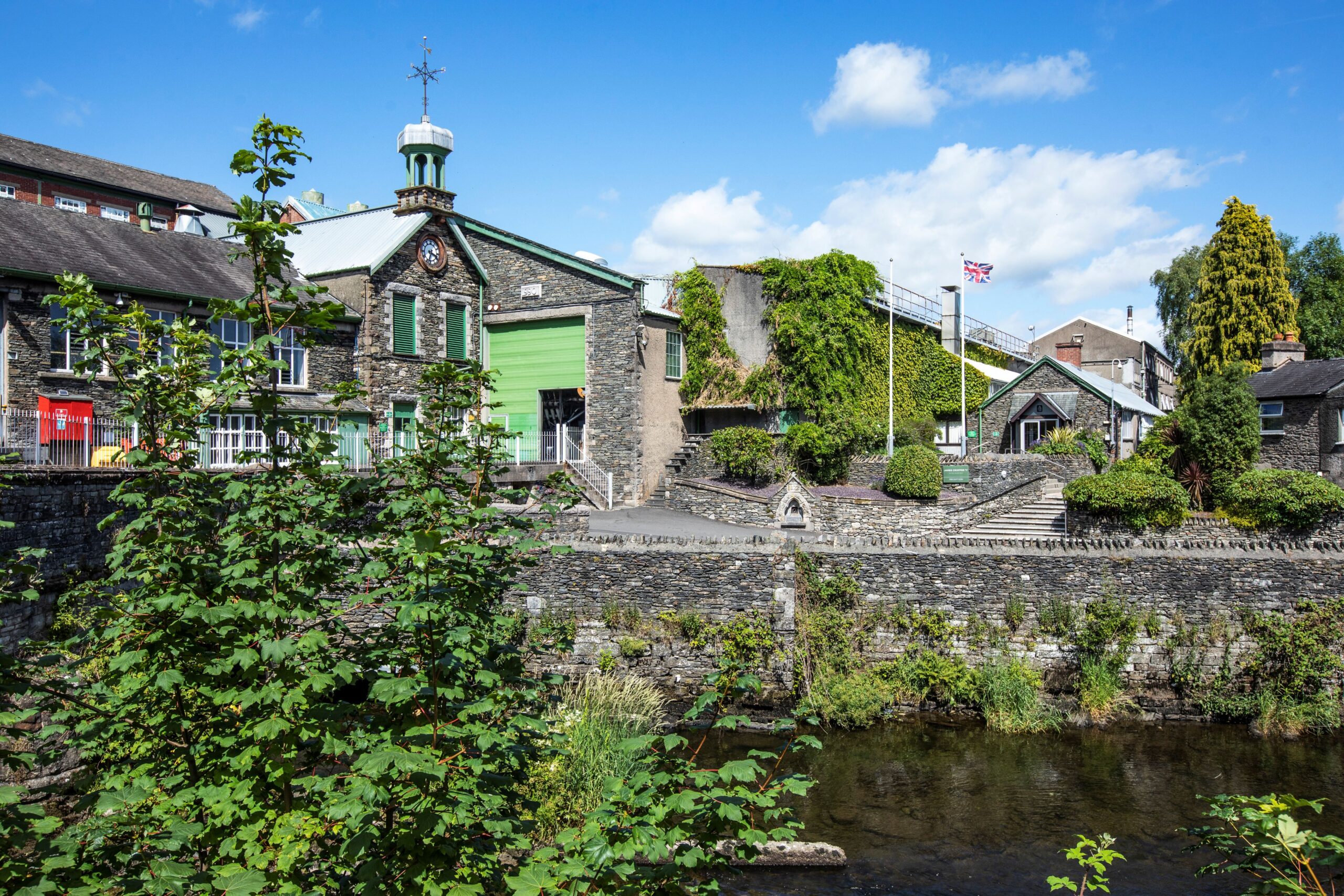
When she visited the James Cropper mill earlier this year, that instinct only intensified.

“It’s incredible how a simple sheet of paper can captivate the imagination so completely,” she reflected afterwards. Still, there is something more insistent underneath it, the sense of a material doing more than behaving like a surface—a material holding possibility.

Susan is a still-life and product photographer, but that label only scratches the surface of what she actually does. Her work begins long before a camera is lifted. It starts with building, shaping, testing, breaking apart, and rebuilding again. She constructs the conditions in which objects become something else, rather than simply photographing them.

“My degree is actually in design and craft,” she says. “It was ceramics, very three-dimensional.”

That foundation never left her. If anything, it redirected itself.

“I always liked to build things,” she continues. “But the process of design was not quite quick enough for me. Photography was a way of bringing everything together, design, making, and then the final image, all in one place.”

The result is a practice that behaves less like photography and more like set construction with a shutter attached at the end. Sets are built, dismantled, and reconfigured. Objects are treated less as subjects and more as participants. Materials are not passive.

“I like to create an image as opposed to just take it,” she says. “It does not feel fulfilling otherwise.”

That distinction, create versus take, runs quietly through everything she does.
Learning the language of a material

For Susan, paper has always been a starting point. Not a backdrop, but a tool.

“It has been a massive part of my journey,” she says. “I have always gravitated towards it. I am a stationery fiend.”

It is a line delivered without irony, but it carries weight. Paper, for her, is not neutral. It is responsive. It folds, resists, collapses, and holds tension. It behaves differently depending on pressure, humidity, weight, and colour. It has a mood.

That responsiveness is what made working with Coloursource™, James Cropper’s uncoated coloured paper collection, such a compelling starting point. Produced at Burneside Mill and available in 50 colours across three weights, the range is built around the idea of co-creation, giving designers, makers and storytellers direct access to the same material heritage that has shaped James Cropper for 180 years. A system defined by colour, weight and surface, it is designed not to prescribe outcome, but to invite interpretation.

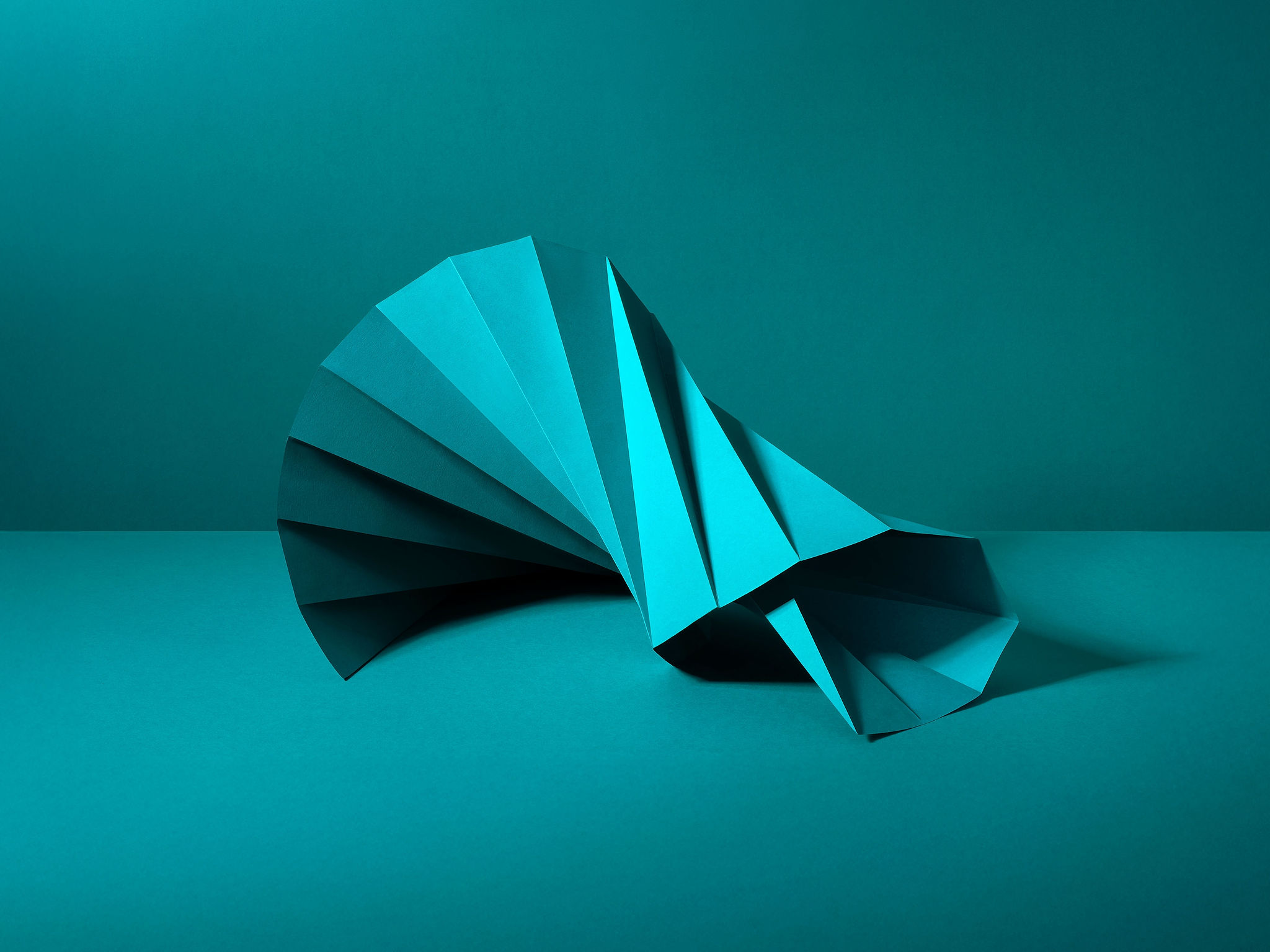
“The big thing was how paper is so easily transformed,” she explains. “We wanted just to see what the paper could do.”

Not impose. Not over-direct. Observe.

In practice, that meant working with the material almost like a collaborator. Allowing it to move, to settle, to react.

“When you are working with a material, it is hard to predict what it is going to do,” she says. “We had a period where we were just exploring it, trying to understand it physically.”

There is a shift in language here. Not composition, but navigation. Not execution, but discovery.

“It was more of a physical sketch,” she adds, “rather than a two-dimensional one. Manipulating it in a small way, then scaling that up to understand what was possible.”

Nothing about this process is clean or fixed. Paper curls when it wants to. It refuses symmetry. It insists on gravity. And that refusal is precisely what makes it useful.

“Paper naturally wants to undulate,” she says. “You just have to catch it at the right moment.”

Colour as energy, not surface

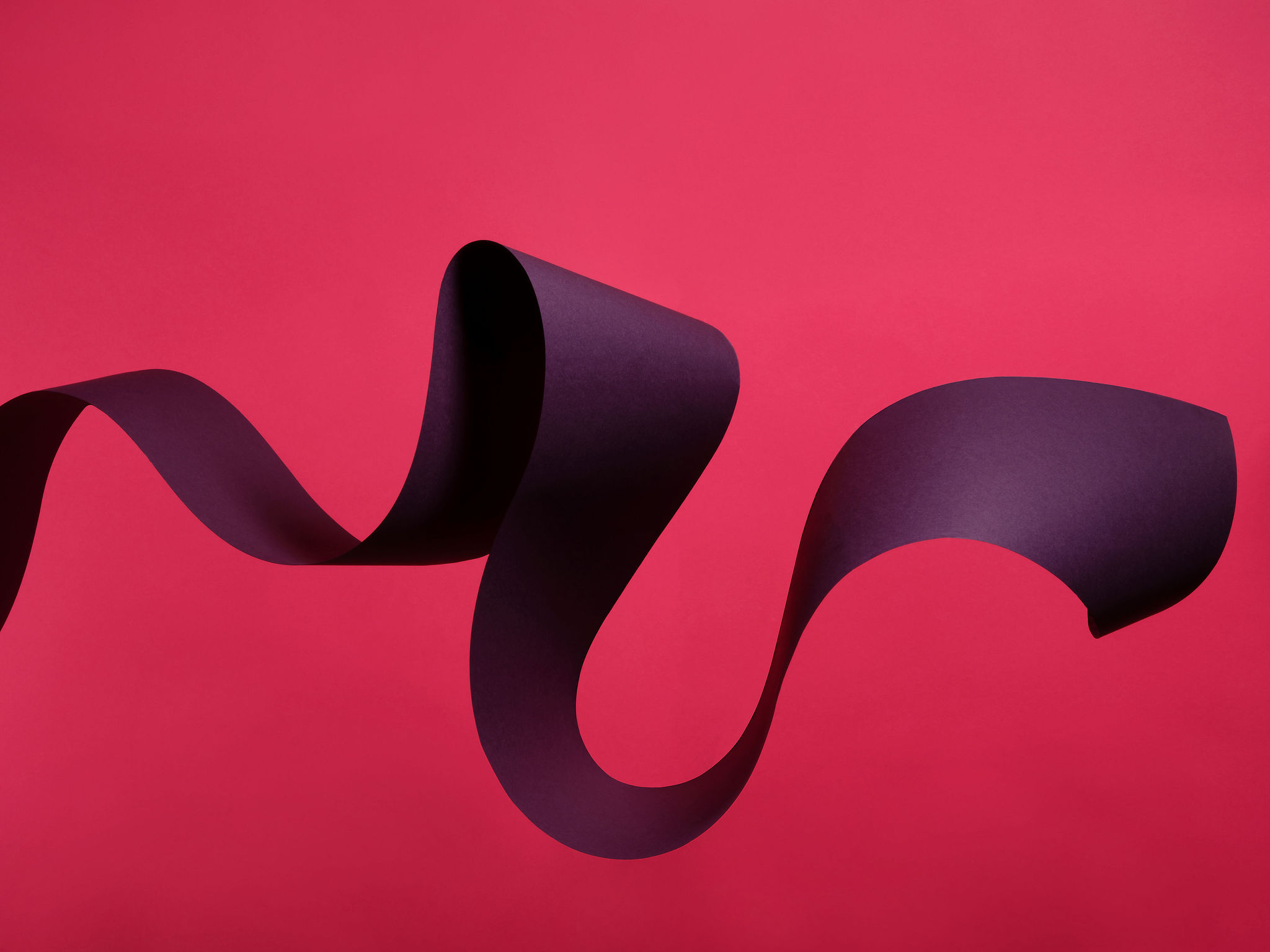
If paper is the structure, colour is the pulse.

It is a philosophy that sits at the heart of Coloursource™ itself. At James Cropper, colour is woven into the making of the paper itself, a creative language capable of shaping mood, perception and expression long before a design reaches its final form.

“Colour is a massive part of my work,” Susan says. But in her world, colour is not applied. It is embedded in behaviour. It changes how form is read, how movement is understood, how weight is perceived.

What surprised her during the shoot was how inseparable the two became.

“The colour brings the energy,” she says. “Some of the shapes just did not work the same way in different colours. It was not random. It mattered.”

That realisation sits in a space between intuition and observation, the point where a creative decision stops being aesthetic and becomes physical.

“It became one and the same,” she adds. “The colour and the form were doing the same job.”

Nothing in the work feels decorative. Everything is structural.

Inside the mill

The shift from studio to mill changes the scale of everything. What begins as controlled experimentation becomes something closer to exposure.

“I was in my element,” Susan says.

The word choice matters. Element. Not environment. Not location. Something more fundamental, closer to the origin. The offcuts yard is where her attention first breaks open.

“Even the offcuts just sitting there, I could see sets, backdrops, future projects,” she says. “My mind was racing.”

There is no hierarchy in what she describes. Finished sheet, waste, pulp, fibre, all of it sits in the same creative field. All of it becomes potential.

“You look at a sheet of paper, but it has got a massive history,” she says. “A whole process behind it.”

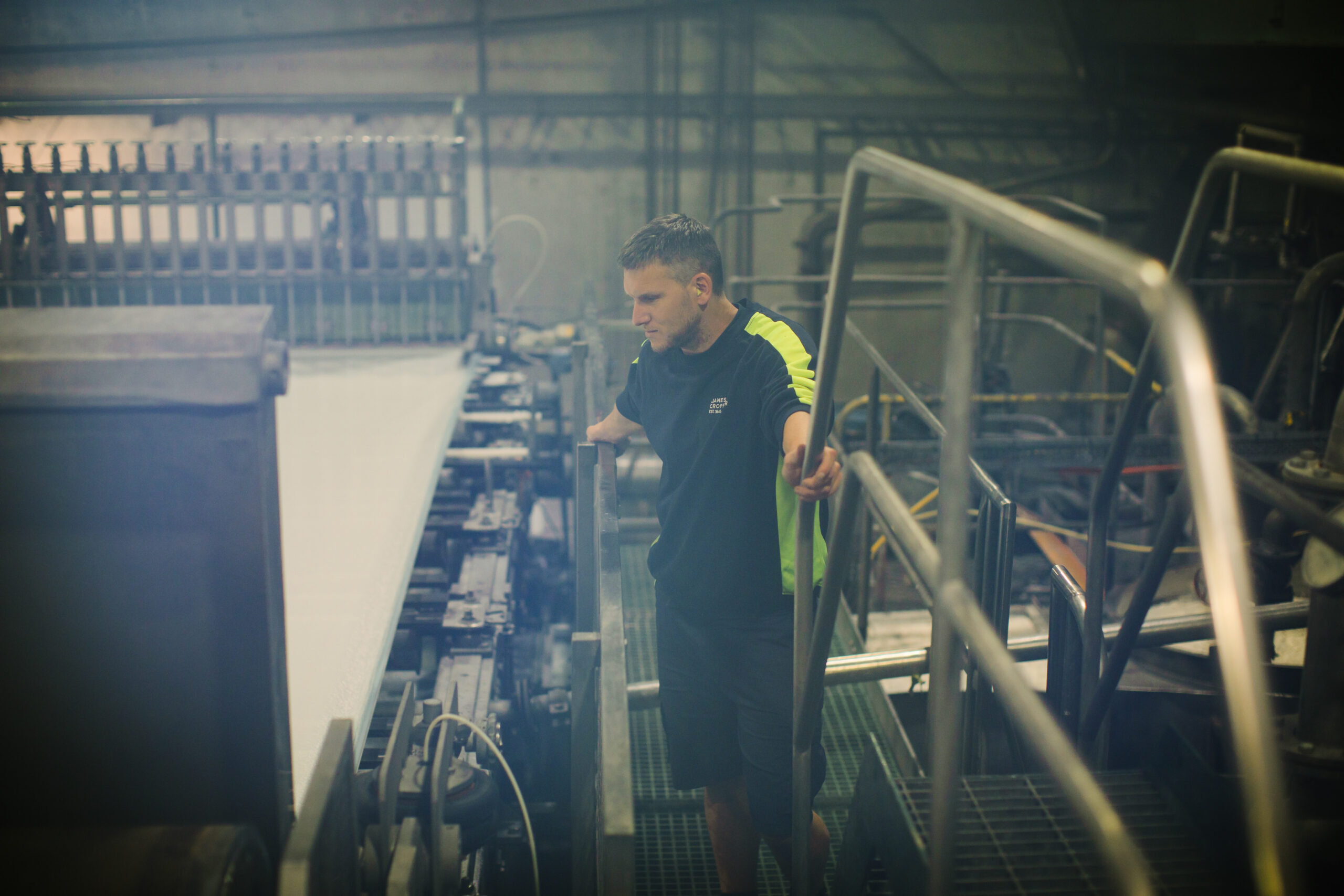
That process is visible everywhere at the mill, but not in the way people expect. It is not abstracted into machinery alone. It is distributed across people.

One moment stays with her.

“The colour side of it, I remember thinking it was incredible,” she says. “It would be easy to assume it is just a machine making colour. But it is not. There are people behind it. People who understand it deeply.”

That realisation changes the material again. Paper is no longer just paper. It is knowledge made visible.

“You can tell they are completely embedded in what they do,” she says. “That stays with you.”

The human machine

What strikes Susan most is not scale, but balance.

“It feels quite humble,” she says. “Not overwhelming. It sits within a community.”

For a place that holds industrial heritage stretching back generations, it does not feel frozen in time. It feels active.

“You can tell it has not stayed still,” she adds. “It is evolving.”

That evolution matters. Not because it modernises the mill, but because it keeps it in conversation with what comes next, designers, brands, creatives, makers.

Susan’s own practice sits in that same space. Between making and interpreting. Between control and response.

Why physical work still matters

In a world increasingly defined by digital tools, Susan returns again and again to physicality.

“We live in a world where everything is digital,” she says. “AI, software, all of it.”

Her pause is not resistance. It is recognition.

“But when something is physically made,” she continues, “there is just nothing quite like it.”

She struggles slightly to define why. Not because the idea is unclear, but because it resists simplification.

“You can tell when something has been created physically,” she says. “Even if you cannot explain exactly why.”

That “why” is the space she works in. Her images aim to preserve that condition, the moment something is still behaving like itself, before it becomes fully fixed.

“I want to create an image as close to the final thing as possible in the moment,” she says. “Without bringing in things that were not there.”

It is an approach built on presence rather than reconstruction.

Where materials go next

If there is a lingering question from the visit, it is not about the paper’s capabilities. It is about its journey.

“I would love to understand more about where materials go,” Susan says. “Where they come from, where they end up.”

She is thinking in terms of cycles rather than products—continuity rather than endpoints.

Offcuts. Recycling. Reuse. Transformation. There is something in that thinking that loops back to her own practice, the idea that nothing is ever really finished, only shifted into another state.

“I could have stayed there for days,” she says of the mill. “Just exploring.”

Perhaps that is the simplest version of what happened.

Not an artist visiting a manufacturer. Not a photographer shooting a project. But a maker meeting another system of making, and recognising the same instinct inside it.

In many ways, that instinct is what Coloursource™ was created to share. The freedom to explore colour as a material, working directly with the same expertise, craft and papermaking heritage that have defined James Cropper across generations.

Paper, in that sense, is never just paper. It is a process. It is people. It is a possibility waiting for form. And sometimes, it is enough to stand in an offcuts yard and see everything it could still become.

Get in Touch with James Cropper

To explore how paper, colour and material innovation can shape your next project, contact the James Cropper team.