Turning complexity into clarity

Published:
10 Jun 2026

At James Cropper, complexity does not sit at the edges of the business. It sits at the centre of it. 

Complexity is not a synonym for confusion, but in manufacturing one can become the other if each process is not crystal clear. That means production systems, technical development, customer expectations, global supply chains, and environmental regulation are all in constant interaction. A decision made in operations can reshape a commercial timeline. A technical adjustment can affect customer delivery. Increasingly, data itself has become part of the manufacturing process, moving alongside materials through the business. 

 In that environment, expertise alone is not enough. 

 Modern manufacturing increasingly depends on people capable of connecting systems, translating between functions, and creating clarity across operational complexity. 

That is where Zoe Lovell operates. 

As Key Accounts & Marketing Co-ordinator, her role moves across commercial teams, operations, planning, technical specialists, systems development, and customer communication. She sits less inside a single discipline than between many of them, helping information move clearly across the organisation. 

She helps take the technical and creative complexity behind James Cropper and makes it simple. “If you can bring the right people together early and make sure everyone understands the wider impact of decisions, you usually get to much stronger outcomes,” she explains. 

Her influence comes less from ownership and more from connection. And inside a manufacturing business approaching two centuries of history, that translation has become increasingly important. 
From inherited knowledge to visible systems

One of the first things Zoe recognised after joining James Cropper in 2024 was the extraordinary depth of operational knowledge embedded across the business. “There are people here with decades of experience,” she says. “What stands out is how openly people share that knowledge.” 

Mills are often referred to as running like clockwork. But the problem with clockwork is that if one small cog fails, the whole system breaks down. The long-standing specialists – individuals whose expertise has been built gradually through years of technical development, production understanding, and process experience – have a more fluid approach that can quickly adapt and uplift everyday operations. 

This is important, as one of the defining challenges facing modern manufacturing is that experience alone is no longer sufficient. Increasingly, businesses must convert instinct into clearer insight, process familiarity into structured systems, and inherited knowledge into scalable operational intelligence. 

That shift is now happening across much of industry. But thanks to experts like Zoe, James Cropper already had these processes in place. The challenge now is to ensure the company continues to build on this progress, so it can stay ahead of the many challenges to come. 

“In places, you realise processes have historically worked because people simply knew what needed to happen,” Zoe explains. “But that does not always mean those processes are fully visible or properly systemised.” 

This evolution has become particularly visible through EUDR, the EU’s deforestation regulation, which is reshaping traceability requirements across timber-based supply chains. 

Regulation as a catalyst for operational intelligence

For many businesses, EUDR has been treated primarily as a compliance challenge. At James Cropper, it has long been something broader: a stress test of operational understanding and transparency. 

“The level of traceability now required is incredibly detailed,” Zoe says. 

Under the regulation, materials must remain traceable throughout the production process, from incoming pulp through to finished customer orders. Existing systems, while already robust, are continually evolving to support far greater precision and transparency. 

“We can now trace exactly which individual pulp bales are present within specific orders,” Zoe explains. “That level of detail changes the way you think about the process entirely.” 

Delivering this kind of change required close collaboration between operations, supply chain teams, systems developers, customer-facing departments, and technical specialists. Experts like Zoe support this flexibility, acting as a sort of central nervous system for the business. 

As Zoe explains, this helps notice and plug gaps that might otherwise have remained largely invisible. “It has highlighted areas where processes relied more on experience than documented processes. And it has made people much more aware of why data accuracy matters.” 

The regulation has therefore become more than a compliance exercise. It has accelerated a wider operational shift inside the business, folding legacy processes into a forward-thinking approach to create an entirely new form of measurable systemic intelligence. That brings a value which extends beyond compliance itself. 

“Even without EUDR, a lot of these systems would still be worth implementing,” Zoe says. “The greater transparency is valuable in its own right.” 

That visibility now affects everything from operational accountability to customer assurance, creating business operations that work today while being ready for tomorrow. 

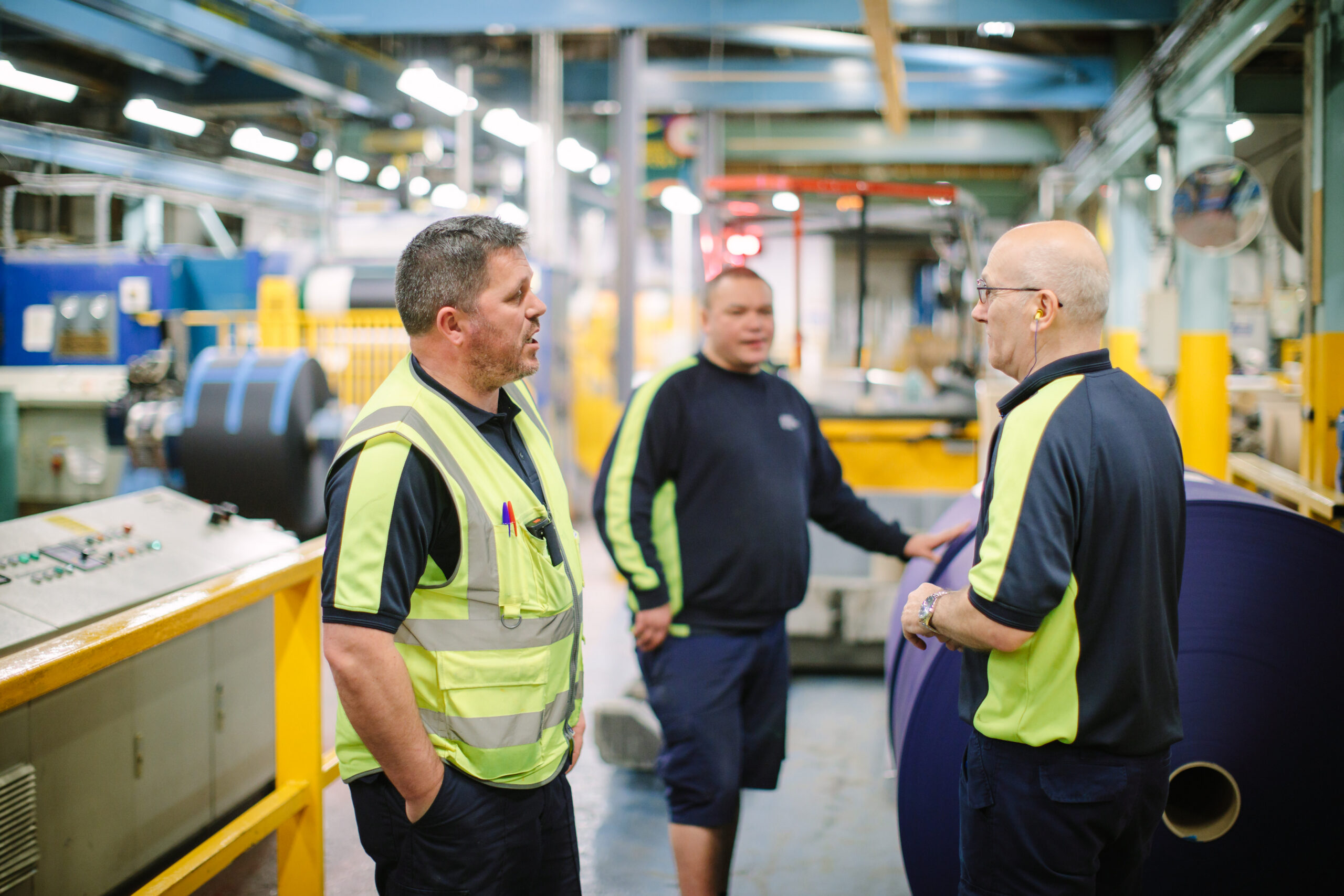
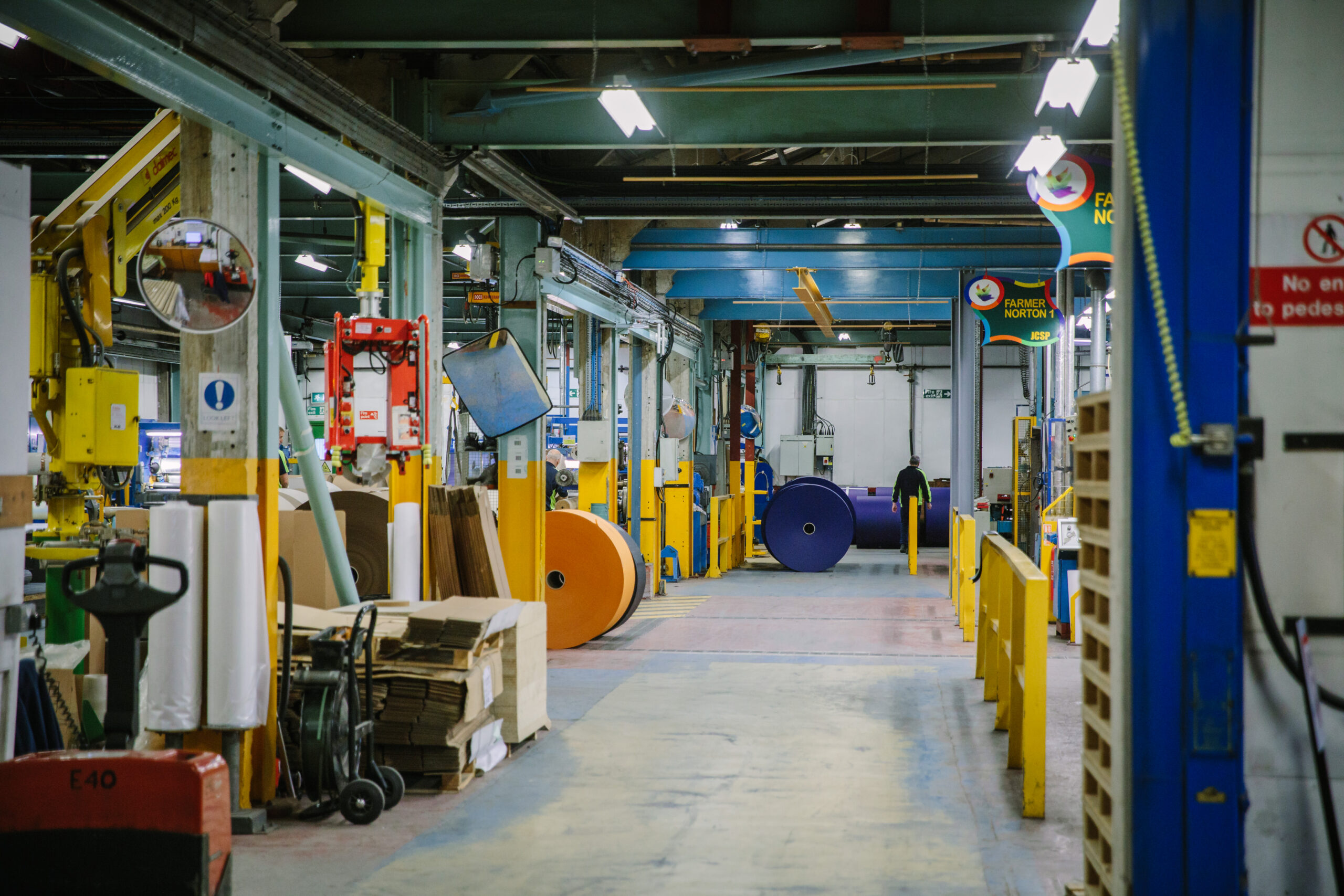
Picture by Steven Barber Picture by Steven Barber

Translating between operational and commercial language

One of the most important aspects of Zoe’s role is helping different parts of the business understand one another more clearly. 

In complex manufacturing environments, departments often speak fundamentally different operational languages. 

Production teams think in machine time, output efficiency, and process constraints. Commercial teams think in customer relationships, service performance, and value. Technical teams focus on precision, consistency, and feasibility. 

These perspectives will never neatly align. They operate on completely different wavelengths – but then, so do most instruments in an orchestra, and yet they can still produce something special when they all work together. But even the greatest orchestras need a conductor. 

“You do not always immediately see how much one decision impacts another area of the business,” Zoe explains. “Creating that synergy is incredibly important.” 

If Zoe is the conductor, then data is the sheet music. Rather than relying purely on perception or emotion, teams can now compare assumptions against operational evidence, customer outcomes, and measurable trends. 

“The numbers help remove emotion from situations,” Zoe explains. “They allow you to step back and properly understand what is actually happening.” 

That shift becomes especially powerful when translating between operational and commercial priorities. 

One observation from a recent service meeting particularly stayed with her. 

“People in manufacturing naturally understand tonnage and production volumes,” Zoe says. “But when you connect those figures to commercial value, it changes how people understand impact.” 

In modern manufacturing, shared understanding increasingly shapes decision-making itself. 

Not because experience matters less, but because complexity now demands a shared understanding across the organisation. 

Knowledge that moves forward

This kind of data-driven approach has shaped Zoe’s own technical development inside the business. Working alongside colour expert Mark Starrs, Zoe was introduced to the Farnsworth-Munsell colour perception test used within the industry to quantify colour sensitivity and accuracy. 

“It gave me a much stronger understanding of colour precision and consistency,” she says. “That confidence becomes really important when you’re discussing projects critically with customers.” 

At James Cropper, expertise is not treated as something static. It is something continuously transferred, expanded, and reinterpreted across generations. 

That balance between heritage understanding and modern operational visibility is increasingly shaping the future of the business itself. And it stems from James Cropper’s powerful combination of heritage and disruption. Zoe’s own route into the organisation was not a traditional manufacturing pathway, giving her a unique perspective on the 180-year old business. 

With an international background and studies focused on international business, marketing, and advertising, she entered the company from outside its technical core. That perspective has proven valuable precisely because it sits outside established assumptions. 

“When you come into a business differently, you naturally ask different questions,” she says. “Sometimes that helps people look at processes differently as well.” 

Recent projects such as the launch of Coloursource™, developed in collaboration with Winter & Company, demonstrated how increasingly interconnected modern manufacturing has become. 

The launch of the 50-shade collection required close coordination between technical teams, operations, marketing, commercial functions and customer-facing departments to ensure consistency across development, production and delivery. 

“There was a huge amount of collaboration behind the scenes,” Zoe says. “A lot of teams contributed well beyond their normal responsibilities to make sure everything came together successfully.” 

That interconnectedness is becoming increasingly central to how manufacturing businesses operate. 

Technical expertise alone is becoming less of a differentiator. 

It will belong to organisations capable of connecting that expertise across systems, people, data, and decision-making. 

And increasingly, it will depend on people capable of translating between all of them.

Start the conversation

For organisations looking to translate complexity into clarity across systems, data and teams, the conversation starts with James Cropper.