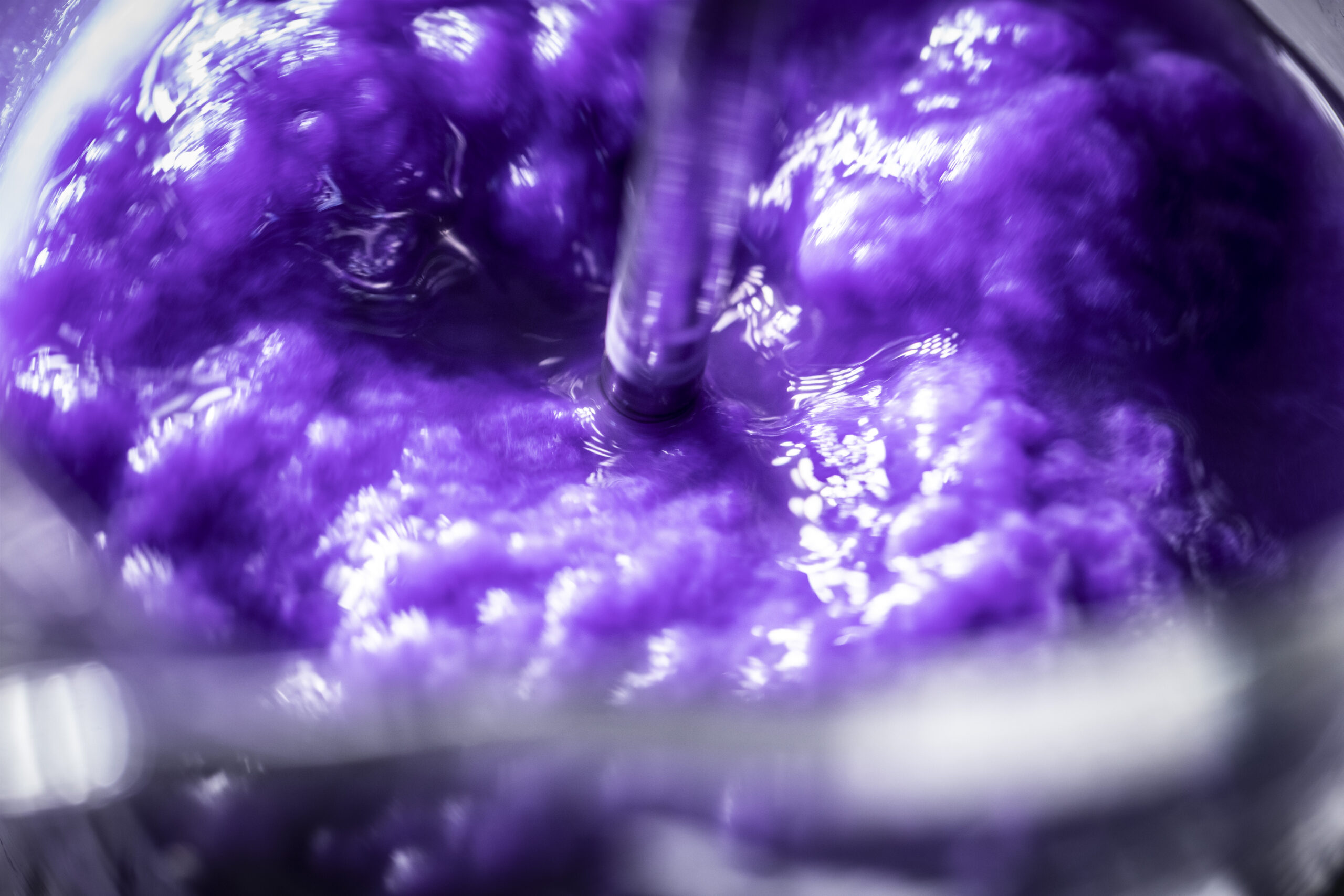
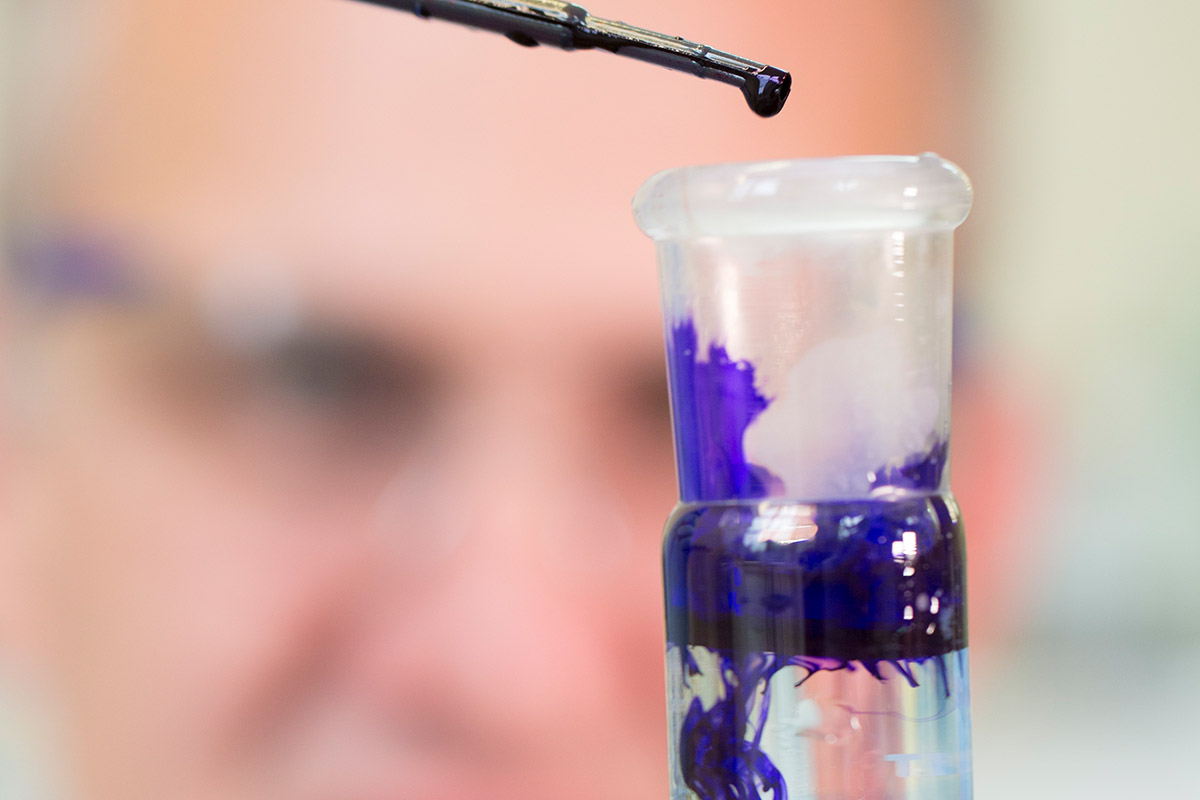
At the James Cropper mill, we regularly hold tours for customers, colleagues, and other parties looking for insight into papercraft. For many, the most powerful realisation is how much knowledge sits behind a material they thought they understood.
Paper is familiar, after all. It is part of everyday life. It’s been produced at the James Cropper mill for over 180 years, and people have been making it in one way or another for thousands of years before that. This kind of familiarity can make it easy to underestimate. Yet once people see the laboratories, the testing, the colour development, the specialist decision-making, and the precision required in specialty papermaking, their perception changes.
They begin to see paper as an engineered, creatively inspiring material that adds a value all of its own. One capable of carrying colour, texture, performance, sustainability, and story in a single sheet.
As brands ask more from packaging and materials, this kind of mindset shift is increasingly relevant as paper is expected to deliver on multiple fronts at once. It must be beautiful, responsible, practical, distinctive, and commercially viable. Achieving that balance requires collaboration between creative, technical, and production teams from the earliest stages of development.
When that collaboration works, technical knowledge acts as fuel for creativity.
Often, the detailed technical work and expertise that went into the final product is masked by its beauty. The Mona Lisa was created by Leonardo Da Vinci, but it was also created by oxides of manganese, lead, and other pigments, applied using brushes made of silk onto a white poplar wood panel. Without each of those elements and their own unique characteristics, the final vision could never have been realised.
In this sense, technical excellence can never be separated from creativity. It is what enables creativity to survive the journey from concept to reality. Part of the James Cropper way is to ensure every beautiful piece of paper is more than a material. It is a carefully protected idea, made tangible through science, craftsmanship, and care.
And when that work is done well, the science disappears, leaving only the experience you remember.