Understanding is the foundation of excellence

Published:
6 Oct 2026
Progress is often associated with answers. Breakthroughs. Lightbulb moments. And in manufacturing, the pressure to provide them can be intense. Customers need solutions, development schedules are tight, and every project must strike an increasingly fine balance between performance, cost, appearance, and sustainability. Yet the success of a project is often determined much earlier in the process.

In our work at James Cropper, it starts before the first paper fibres are pressed together, and before a specification or material has been finalised. It begins with a deep understanding of the problem we are being asked to solve, and that means focusing on the right questions before thinking about answers.

What is the material being asked to do? Which processes must it withstand? How should it look and feel? What happens to it after use?

These questions may delay the immediate satisfaction of reaching an answer. In the longer term, they can make development faster, more focused, and far less vulnerable to compromise. And this is where understanding and expertise become invaluable.
Built for the future, informed by the past

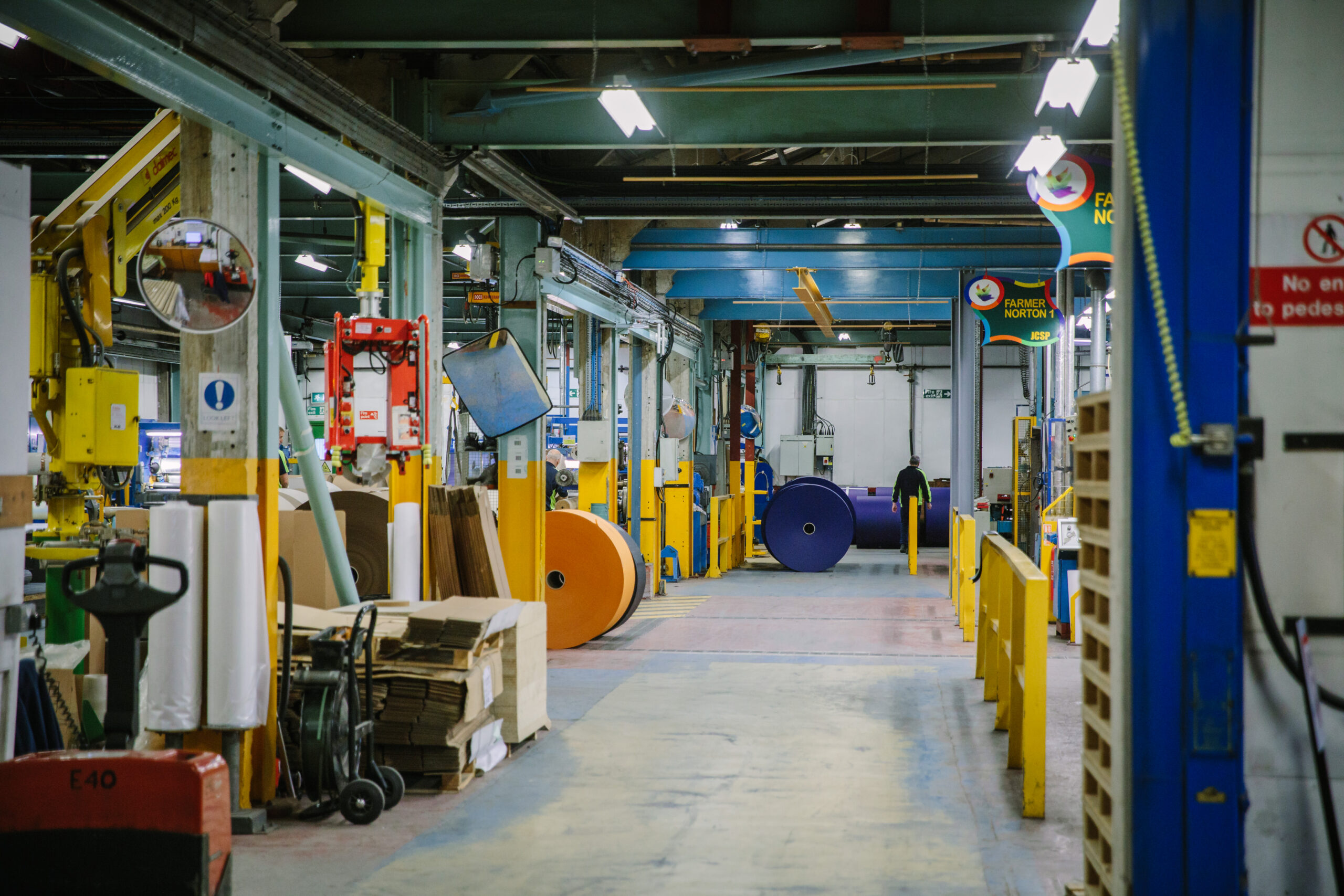
That understanding has been steadily building over the past 180 years of operation at the James Cropper mill in Burneside. So, while a new material brief might appear to begin with a colour, weight, or performance requirement, you could argue that it actually began nearly two centuries ago.

This is relevant because, just as a business doesn’t exist in isolation, neither does a sheet of paper. It may need to be printed, embossed, foil stamped, folded, glued, or formed. It must move efficiently through production, meet the practical demands of its application, and create the intended experience when it reaches someone’s hands. It is part of a much wider context that can change the direction of its development.

A paper that appears ideal against one set of criteria may prove less suitable once print performance, finishing, durability, or end-of-life requirements are considered together. Sometimes, a paper product may be possible in theory, but the costs required to create the right colour accuracy and fastness make it unviable for mass production.

By understanding the full journey, from initial concept through manufacturing and use, specialists can identify potential tensions early and help a material to navigate the realities of real-world application. Technical expertise, then, isn’t just something that applies on a project-by-project basis. It’s something more holistic; a living, breathing process that involves looking beyond the requested specification. You can’t buy that in the same way you buy a cutting-edge printing press – you can only earn it over the years.

The language of design

That experience acts as a facilitator during those times when creative and technical teams appear to speak different languages. One begins with emotion, identity, and experience. The other considers fibre composition, surface characteristics, colour consistency, and production performance. These differing mindsets can clash. Successful material development depends on seamlessly translating between the two without diminishing either.

A brand may want packaging to feel unmistakably luxurious, for example. That broad ambition might lead to more specific questions about shade, tactility, weight, and finishing, but also about how those properties interact. Paper used for a shopping bag, for example, needs to be coloured with pigments rather than dyes, as dyes can bleed when exposed to water. This has an impact on the precise shade and vibrancy of the colours used, influencing visual design and finishing. It affects what varnishes can be used, which is important when a specific tactile effect is part of the brief. And it also influences cost, as pigments are generally more expensive than dyes.

And all of these issues arise from just one consideration – colour. Many other questions exist, and answering each one raises dozens more. Will the surface take the intended print process? Can the colour remain consistent at production scale? Will the material crease and fold as required? Is it physically robust enough to serve its purpose?

Asking these questions gives creative concepts the technical foundations they need to survive contact with production. Most treat these questions as limits to creativity, but the best use them to enable it. The more closely specialists understand how materials respond across different processes, the better equipped they are to anticipate issues, test meaningful variables, and find an intelligent route forward.

Thinking beyond the production line

The same thinking has to apply beyond the production line, and even beyond a product’s intended lifespan. Now, material choices need to account for what happens after that.

Recyclability, fibre recovery, the use of alternative feedstocks, and the wider impact of a finished material are becoming central to development rather than attributes bolted onto it at the end.

Again, context matters. A material cannot be assessed solely on an isolated attribute or claim, whether it is destined to become packaging, printing paper, or construction supplies. Its coatings, finishes, adhesives, construction, and likely waste stream can all influence what happens after use.

Understanding these factors on day one creates more viable opportunities to design them into the solution. It can also prevent a project from reaching an advanced stage before discovering that an aesthetic or functional decision conflicts with its wider sustainability goals, helping to reduce costs at a time when margins are squeezed from all sides.

The right answers need the right questions

The most useful question, though, is rarely whether a material performs well in one area. It is how effectively it balances all the demands that will be placed upon it. But no single person holds the complete answer.

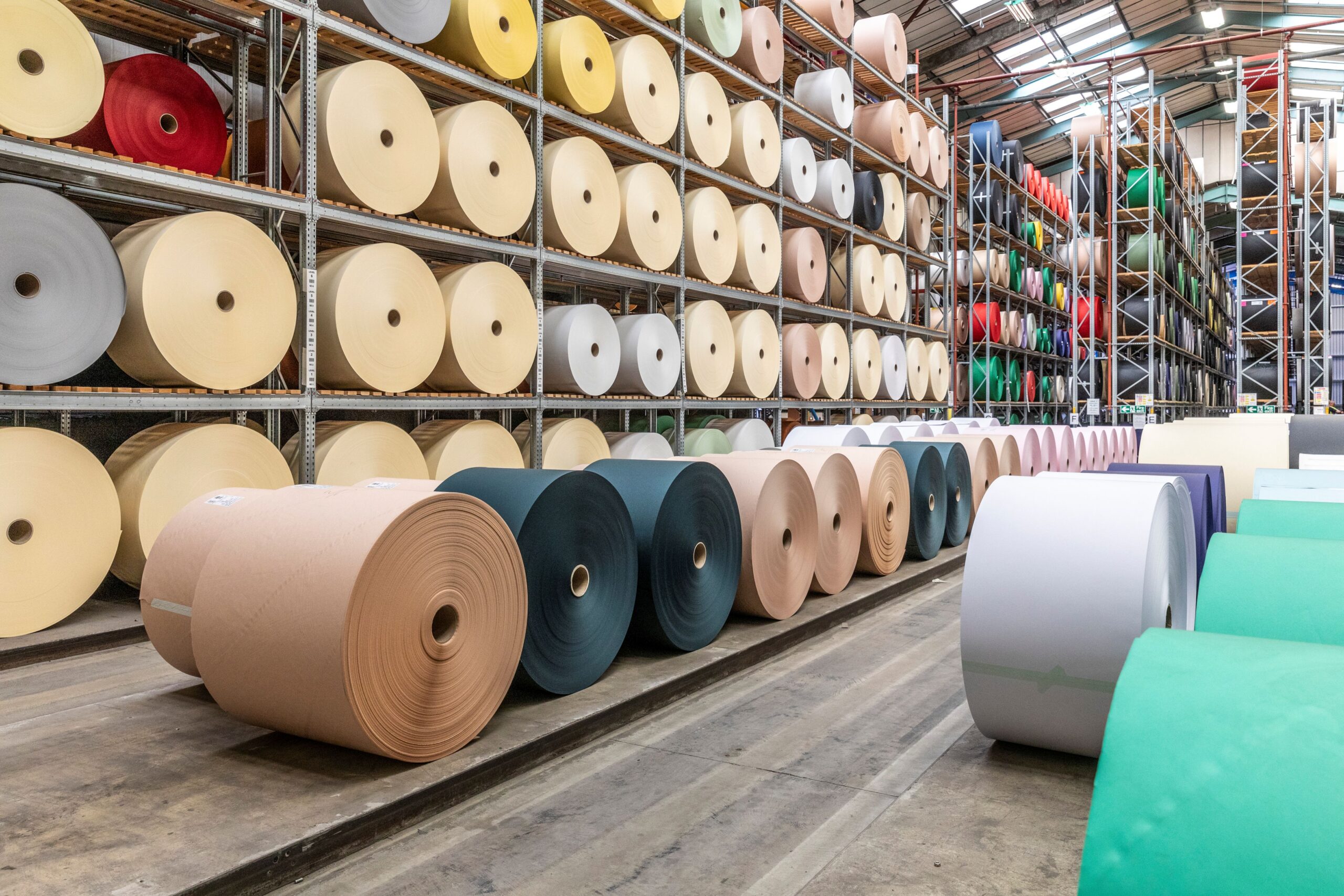
Brands understand their customers and commercial objectives. Designers understand the experience they want to create. Printers and converters understand their processes. Papermakers understand how fibre, colour, texture, and performance can be brought together in a manufacturable material. The best results come when all work together to build a shared understanding of the whole picture.

At James Cropper, technical development begins with a conversation like this. Rather than moving directly towards an assumed solution, the process looks at the end use, the production journey, and the experience the material needs to deliver. Sometimes that confirms the original direction. Sometimes it reveals a better one.

This approach can reduce unnecessary trials, avoid costly reworking, and create solutions that perform more reliably at scale. It’s not just about avoiding issues, however. It also allows technical teams to challenge assumptions constructively, showing what may be possible beyond the boundaries of the original brief and delivering an even more valuable final result.

Progress still depends on answers. But the quality of those answers is built on the understanding behind them.

The more incisively we question what a material needs to become, the more intelligently we can make it.

Better answers begin with better questions

Bring us your material challenge, and we’ll combine 180 years of papermaking expertise with the right questions to find a smarter way forward.