The art of making paper worth keeping

Published:
23 Nov 2026
An idea born during lockdown has grown into an award-winning stationery brand. Working with Coffenotes, British papermaker James Cropper has helped turn recovered coffee-cup fibre into premium writing paper, demonstrating how material innovation, colour expertise and thoughtful design can give everyday waste an extraordinary second life.

There is something rather fitting about turning a coffee cup into a notebook. One fuels the ideas; the other captures them.

Yet the journey between the two is anything but straightforward.

A disposable coffee cup is designed to hold a drink for a matter of minutes. A premium notebook must withstand months, sometimes years, of use. Its pages need to feel right beneath the pen, its binding must withstand regular use, and its appearance must make someone want to pick it up in the first place.

Making that transformation possible requires specialist recycling technology, material expertise and a detailed understanding of the finished product. All three sit at the heart of James Cropper’s approach to specialist papermaking. Working alongside Dorset-based Coffeenotes and its sister business Epic Print, James Cropper helped develop a bespoke writing paper incorporating fibre recovered from disposable coffee cups. The collaboration has contributed to a distinctive range of premium, plastic-free stationery, with Coffeenotes earning industry recognition and attracting organisations including World Wildlife Fund (WWF) and Hay Festival.

A lockdown experiment with a different ambition

The story began during the COVID-19 pandemic, when Sarah and Mark Downey found themselves with an unexpected opportunity to reconsider what their printing expertise could achieve.

Having spent around two decades running Epic Print, the couple had a longstanding interest in finding better uses for waste. With the business temporarily closed, they began exploring an idea: could they create stationery that embraced circularity without asking customers to compromise on the qualities that make a notebook worth owning?

The answer depended on getting the paper right.

The quality of the writing experience begins with the paper itself. Its weight, texture, shade and interaction with ink all play a part. For Mark and Sarah, existing recycled papers had not always delivered the weight, texture, or aesthetics they wanted. Rather than selecting an existing paper and designing a notebook around its limitations, the businesses set out to create a paper around the experience they wanted to deliver.

Drawing on an established relationship with James Cropper, Coffeenotes began developing a bespoke writing paper incorporating recovered coffee-cup fibre. Through testing and refinement, the teams worked towards a material that would be a pleasure to write on, with an equally compelling story behind its creation.
Giving coffee cups a second life

At James Cropper’s historic Burneside Mill in Cumbria, more than 180 years of papermaking expertise was put towards solving one of the persistent challenges of disposable packaging. The protective plastic lining on paper cups makes them difficult to process through conventional recycling systems. Recovering that fibre requires specialist technology and an effective collection infrastructure.

James Cropper’s award-winning CupCycling™ process provided the solution.

Through CupCycling™, used cups are collected and baled close to their source before being transported to the mill for processing. There, the paper fibre is separated from the plastic lining and recovered for use in new paper products. James Cropper reports that 95% of the cup material is recovered for papermaking, with the remaining 5% used for energy recovery.

Coffeenotes offered an opportunity to demonstrate the potential of this process in a familiar, everyday product. A coffee cup that might otherwise be discarded could become part of a notebook designed to be used, enjoyed and kept.

The challenge was ensuring that its previous life did not dictate the quality of its next one.

Where material innovation meets design

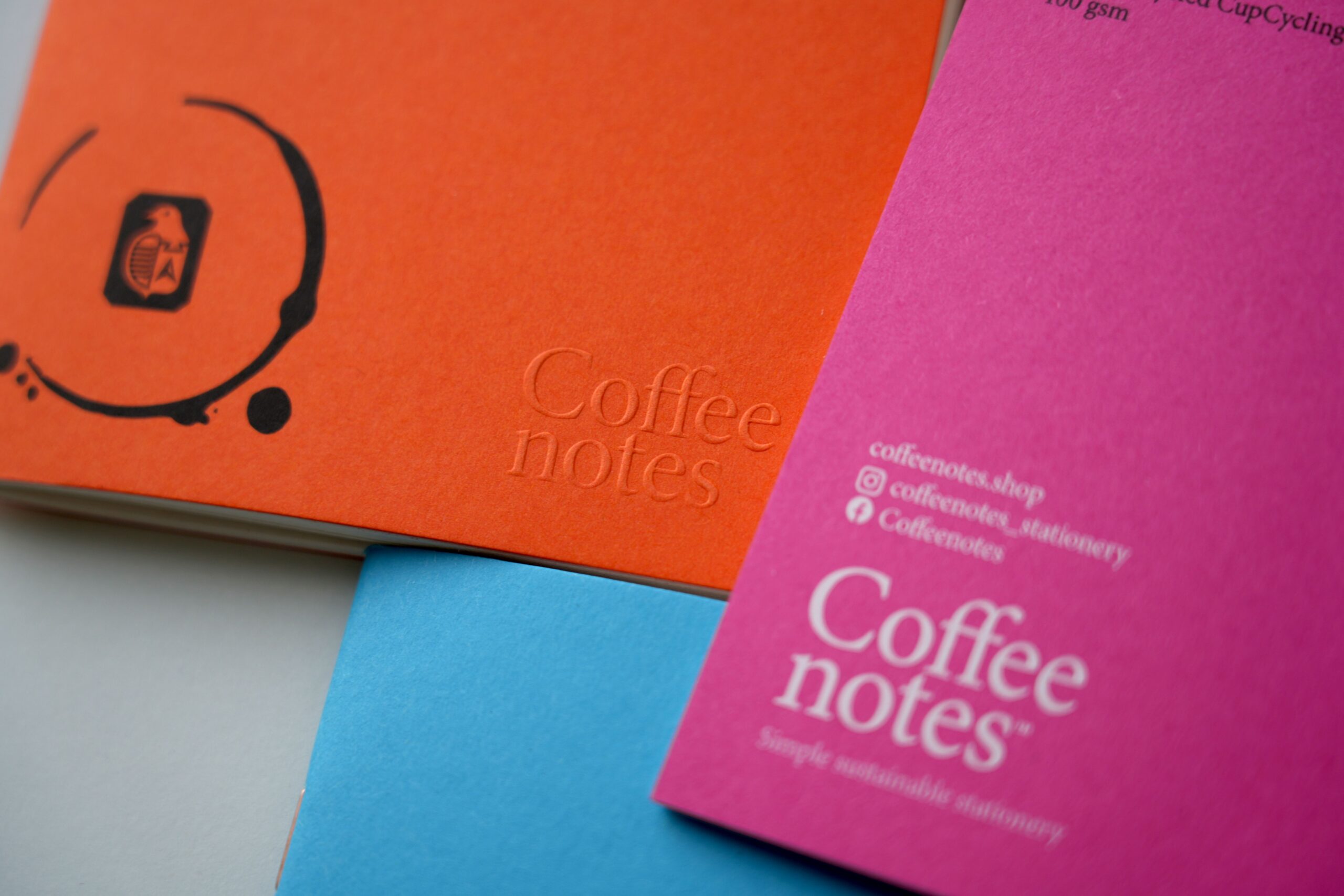
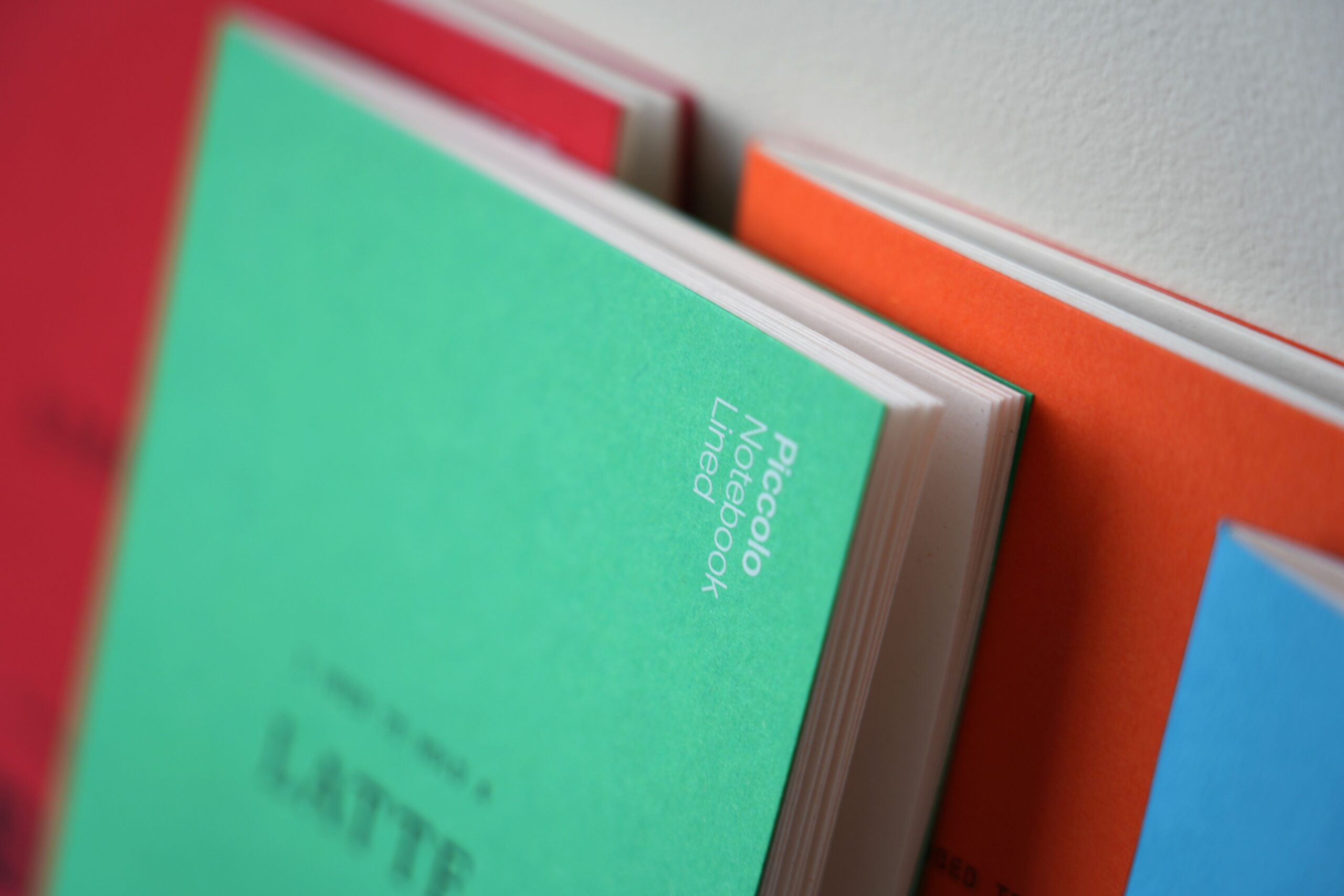
As a special project Coffeenotes worked with James Croppter to create a bespoke Piccolo Stitched Notebook collection bringing together two of James Cropper’s specialist capabilities: recovered-fibre papermaking and colour.

The covers are produced using Vanguard, a premium collection of smooth, uncoated coloured papers. The range combines rich colour with up to 40% recovered coffee-cup fibre, supported by James Cropper’s extensive colour expertise and digital library of more than 200,000 colour recipes.

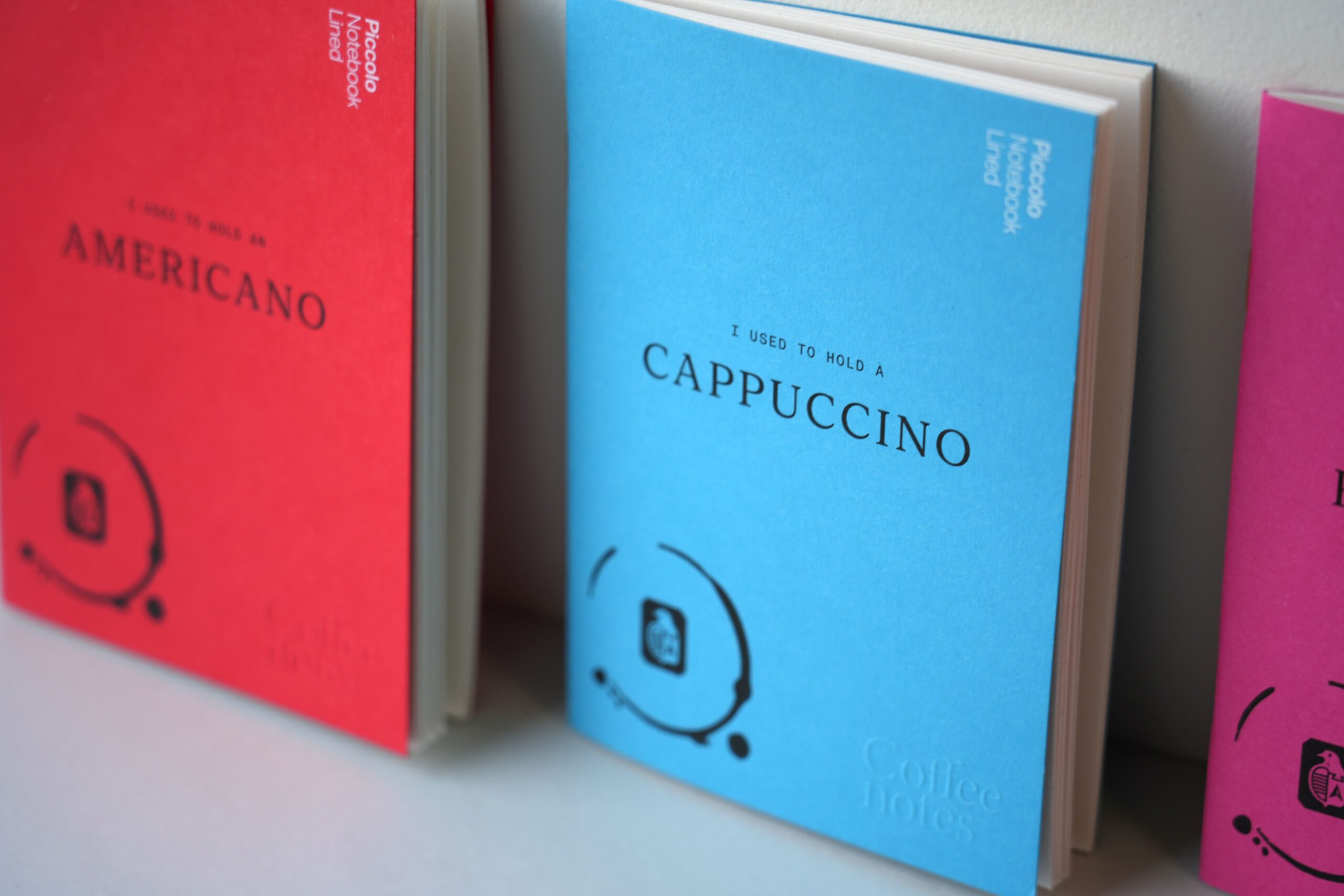
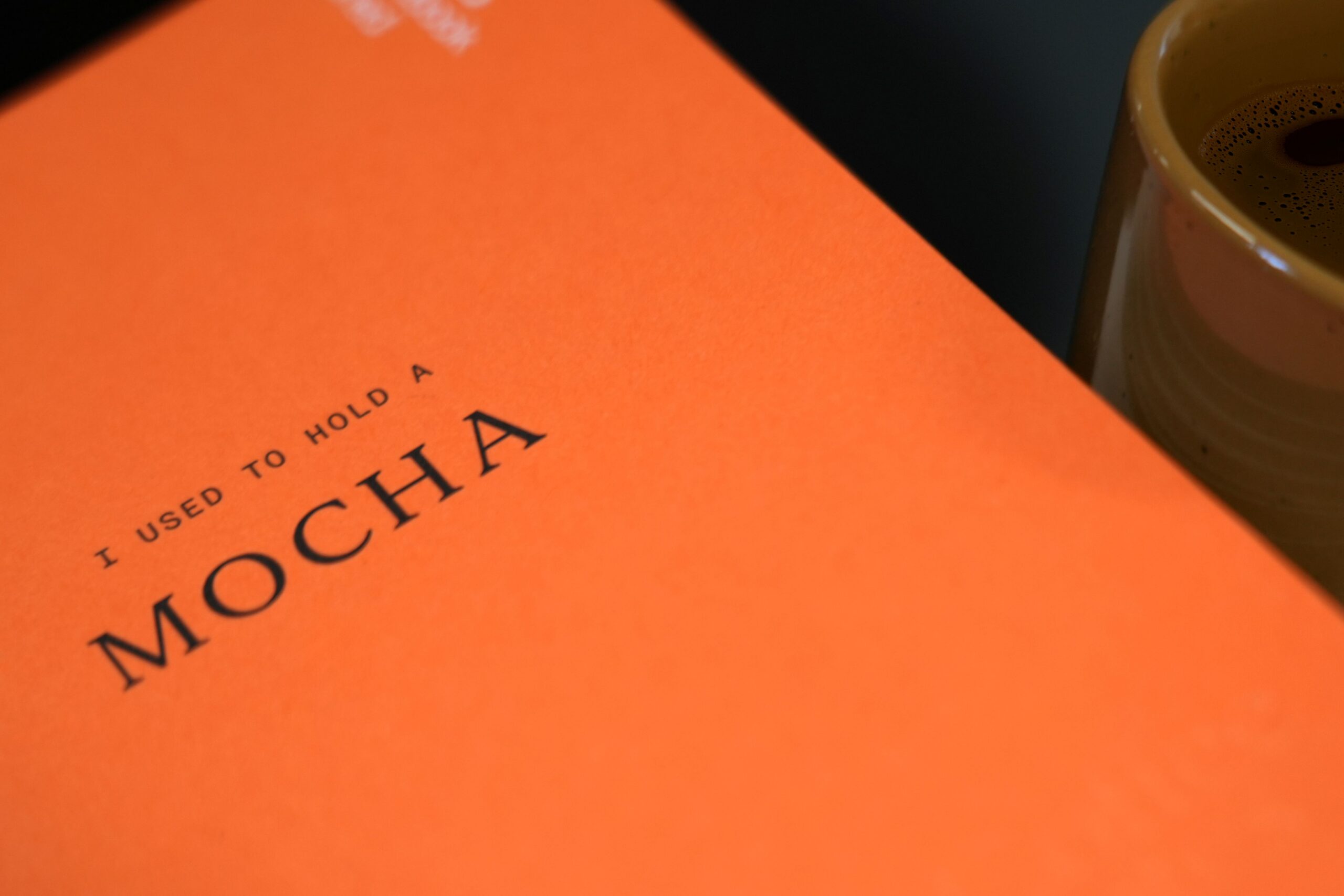
For the bespoke Piccolo collection, five distinctive cover colours were chosen, each paired with a coffee-inspired message referencing an Americano, Flat White, Latte, Cappuccino or Mocha. The 300-micron covers contain 40% CupCycling™ fibre and 60% virgin fibre. Inside, the 100 gsm writing pages are made entirely from recycled CupCycling™ fibre.

While the playful references to coffee tell part of the story, it is the colour, finish and writing experience that ultimately give the notebooks their appeal. Achieving that apparent simplicity required considerable technical attention.

The team wanted a distinctive cream shade, a carefully considered paper weight and a surface that performed with fountain pens and other premium writing instruments. Each characteristic needed to work alongside the others, without compromising the notebook’s recycled-fibre credentials. Through testing and refinement, James Cropper and Epic Print developed a bespoke material suited to those requirements.

Designed to be kept

This same level of care was applied to the construction of the notebooks themselves.

Although mass produced notebooks are predominantly made from paper, conventional designs can incorporate plastic laminates, coated bindings, elastic closures and other components that complicate recycling. Coffeenotes wanted to consider the entire product, developing stationery designed to be plastic-free and recyclable in your house hold waste bin with nothing ending up in landfill while retaining the appearance, functionality and durability expected of a premium notebook.

The brand’s distinctive identity is built around colour, simplicity and the tactile pleasure of putting pen to paper. And while environmental credentials can provide a compelling reason to consider a product, its quality determines whether people continue to use it.

Coffeenotes understood that its notebooks needed to earn their place on someone’s desk through their design, feel and performance.

That ambition received significant recognition when the brand’s Layflat Notebook won Notebook of the Year at the London Stationery Show 2026.

For a business founded on giving recovered materials a new purpose, the award was an important milestone. It recognised the notebook’s quality and design, demonstrating that recycled-fibre materials could compete in the premium stationery market.

A material story that opens doors

The appeal of Coffeenotes has extended beyond individual international stationery enthusiasts.

The business has developed branded stationery for organisations including WWF and Hay Festival, and the National Theatre and creating opportunities to introduce its approach to materials and manufacturing to new audiences.

The WWF collaboration was particularly significant. Before proceeding, the organisation examined the products’ manufacturing and recycling credentials, providing external scrutiny of Coffeenotes’ approach.

These relationships also offer an opportunity to make the story of recovered materials tangible.

Coffeenotes includes information about James Cropper and the UK based provenance of its paper within its notebooks, connecting the finished product to the process that made it possible. At exhibitions, the business takes that idea further, displaying used coffee cups alongside its stationery.

The finished notebook provides an accessible demonstration of CupCycling™ in action. A sophisticated industrial recovery process becomes something people can hold, write in and experience for themselves.

It also shows how material provenance can become part of a product’s appeal, giving brands a meaningful story to share with customers.

Creating demand for circular materials

Behind the finished notebooks lies a wider challenge for the circular economy.

Recovering valuable fibres depends on effective collection systems, specialist processing capabilities and, critically, demand for the materials those processes produce.

Coffeenotes is helping demonstrate how that demand can be created, while supporting efforts to improve consumer awareness of cup recycling.

The business is working with the National Cup Recycling Scheme, which has supported research involving Imperial College into the behaviours and incentives that could encourage more people to recycle disposable coffee cups.

The findings could help improve cup collection and recovery, ensuring more valuable fibre can be returned to use.

For Coffeenotes, the relationship is mutually reinforcing. Effective collection makes recovered fibre available, while desirable products create the commercial demand that makes recovery worthwhile.

The value of making something worth keeping

The success of Coffeenotes reflects the complementary strengths of the businesses behind it.

James Cropper brought specialist expertise in fibre recovery, colour and papermaking. Epic Print contributed decades of printing experience and an understanding of how materials perform in practice. Coffeenotes translated those capabilities into a distinctive brand and products that people actively want to own.

Coffeenotes has built its identity around the idea of rewriting the future.

It’s an appropriate ambition for a business that takes something used for a few minutes and turns it into something worth keeping.

Because the most interesting thing about these notebooks isn’t what they used to be.

It’s what they’ve become, and what that tells us about the future of paper.

Explore Coffeenotes or start a brand collaboration

Coffeenotes sells its award-winning stationery of Notebooks, Planners, Notepads, Sketchbooks and writing paper at coffeenotes.shop. For any branded partnerships please email [email protected]