Making the everyday extraordinary

Published:
26 Nov 2026
Paul Barber, Managing Director, Paper & Packaging at James Cropper, explains why great boxes and carton packaging are not solely for luxury brands.

Packaging doesn’t have to be expensive to be exceptional. Rather, some of the most sophisticated engineering is in the everyday products that consumers barely notice.

The most familiar packaging is often the least appreciated. It is seen and touched hundreds of times a day, displayed in a supermarket shelf-ready tray, arrives in a delivery box on the doorstep, or is the box that protects a product long before anyone thinks about it.

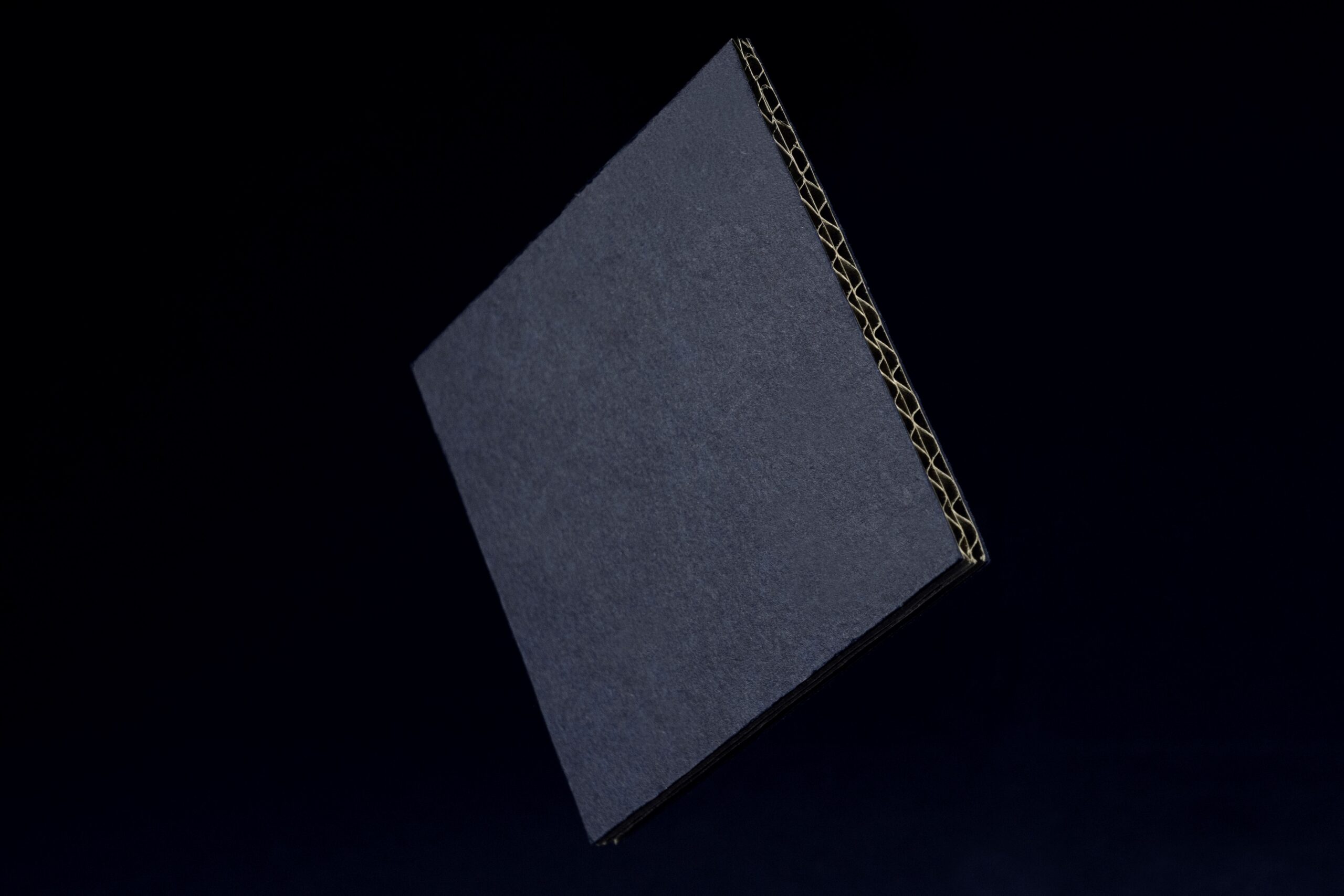
Because it is everywhere, we stop seeing it. This can be viewed as packaging’s greatest strength but also its greatest weakness. Yet that apparent simplicity is precisely what makes everyday packaging so remarkable; behind a micro-flute corrugated box, for example, sits a fine balance between cost, strength, production efficiency, recyclability, visual appeal, and brand recognition.

© Steven Barber © Steven Barber

More than a printed sheet

For Paul Barber, Managing Director, Paper & Packaging at James Cropper, the gap between perception and reality is striking. “There’s often a misunderstanding of just how much goes into something that looks like a very simple box.

“It’s definitely not just a case of printing onto a sheet, as even when you look at paper formation, particularly in corrugated, you’ve got fluting formations, take-up ratios, kiss touch printing, printing plates, profile plates, digital head movement, and warping. There’s so much to consider.”

Material selection sits at the heart of all of this. Across its operations, James Cropper runs nearly 5,000 different products for different applications and markets. Yet it does everything to simplify the customer’s choice.

Paul recounts the example of a customer asking simply for ‘some paper’. The honest response to that request was a robust series of questions: what compression strength, what corner strength, what rigidity, what finish, how should it bend and move?

“The blends and furnishes of the paper, the dye constructions, the starch content, everything can be completely different,” he explains. “As we know the market and what is needed, we’re able to guide, advise, and direct customers to the correct solution for them.”

Another cause of packaging’s understated perception might be that it is often seen as a cost to be minimised. Paul’s own experience suggests that is a missed opportunity, as evidenced early in his career in corrugated, when working on a shelf-ready development for a chocolate bar.

The change itself was modest: a simple mechanism that pushed the bars towards the front of the box as products were removed. It took three years to develop but the results were impressive. “That change alone increased sales of that chocolate bar by 14%,” he says. “People saw it as a paper box, just a functional piece of packaging. But they didn’t realise the impact it had on consumer behaviour and the difference it made to the sales and profile of the product.”

Paul frames this in terms of what he calls ‘total cost opportunities’ and says, “A little bit of extra investment in packaging can generate additional revenue for a company.

“If you only look at the situation and say ‘Yes, I’m paying less for something’, you miss the opportunity to grow the sales base and increase the premiumisation of that product in the market.”

Colour and consistency at scale

James Cropper is best known for colour, specialist papers, and premium packaging, but its capabilities are far broader.

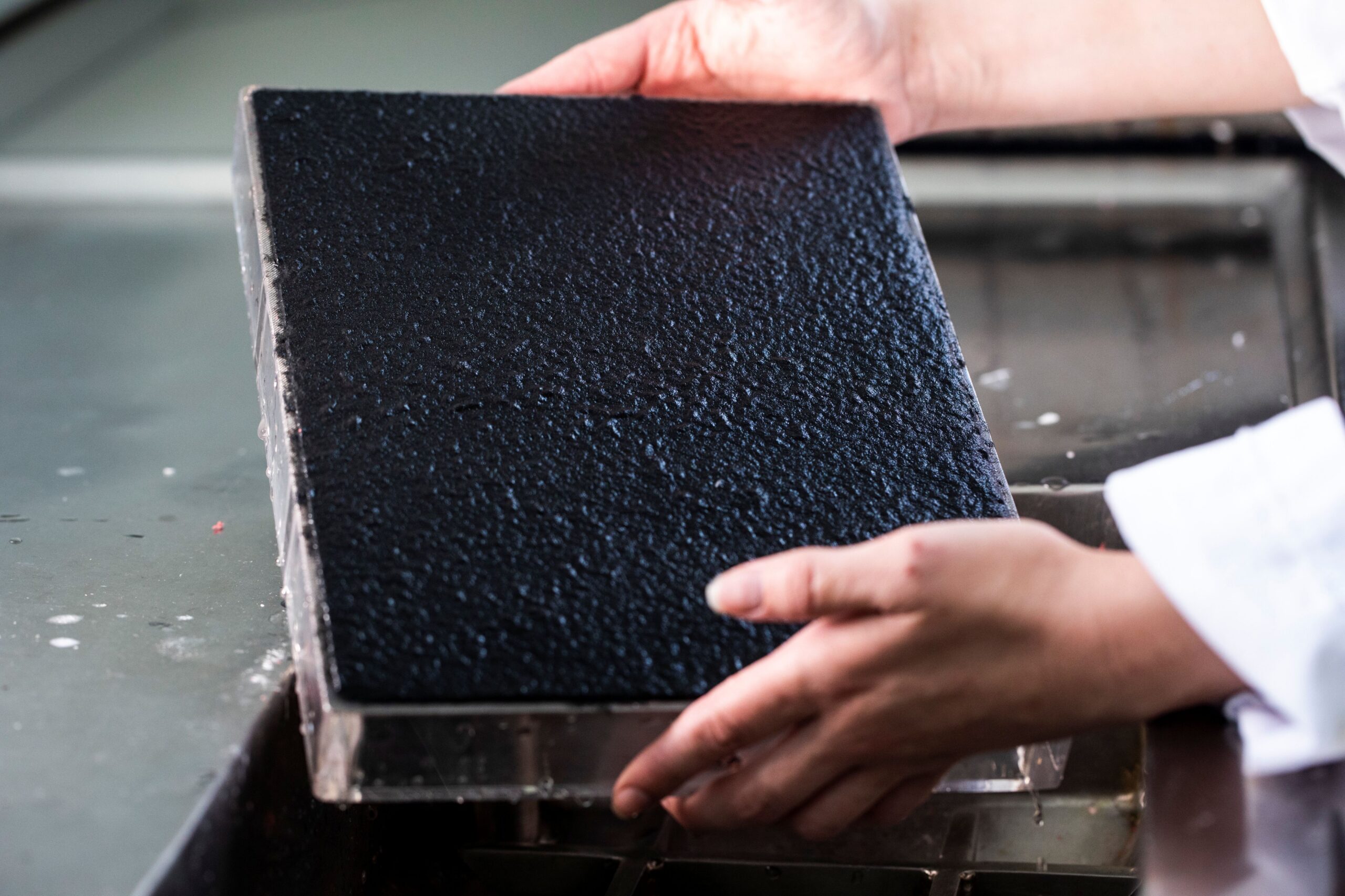
“We’re not just a paper mill,” explains Paul, “We’re a paper mill with lamination, conversion, sheeting, and coating capabilities.” These allow James Cropper to create products with exemplary surface quality and print performance.

In turn, this is growing the company’s involvement in corrugated packaging. Over the previous 12 months, there has been a significant shift in corrugated packaging volumes, led by cosmetic brands working in blacks and colours. This then connects to the wider James Cropper business, such as the availability of fibre recovered at the company’s RCF facility, including from used coffee cups, that returns as premium paper and, over successive cycles, works its way down into kraft and testliner applications.

Paul sees two ends of the corrugated market: a cost-driven side, where brands are moving from white kraft towards white or coated white testliners and a premium side, where the aim is to stand out.

“What we’re bringing to market is a cost-effective alternative, able to premiumise a brand, help it stand out from the rest of the market, and ultimately sell more.

“For example, some of the whites we offer provide more consistent brightness and better value through improved printability.”

A broader view of innovation

The reality of packaging innovation is that in the future, it cannot belong exclusively to ever more elaborate, premium formats. It will be shaped by how well the industry makes everyday packaging more effective, more distinctive and better suited to its purpose. Paul sees that shift already under way. “What we’re finding now is that the commodity end of the market is becoming a high-added-value market,” he says.

“We’ve just got to find ways of making brands stand out at a lower cost point.”

And with cost-of-living pressures bearing down on consumers, keeping brands relevant at a price that works matters more than ever.

This means that top-level material engineering should not be reserved solely for the luxury end of the market but have an equally important role for the products people encounter every day, and in the packaging that, as Paul puts it, “is just as important as the product inside it.

“Packaging is a commodity product but ‘commodity’ doesn’t mean something isn’t highly technical and beautiful. It is.”

Make more of your packaging

Talk to the James Cropper team about how expertly engineered papers can turn everyday packaging into a source of competitive advantage.