Whitney the Wasteater and the Wrong Bite
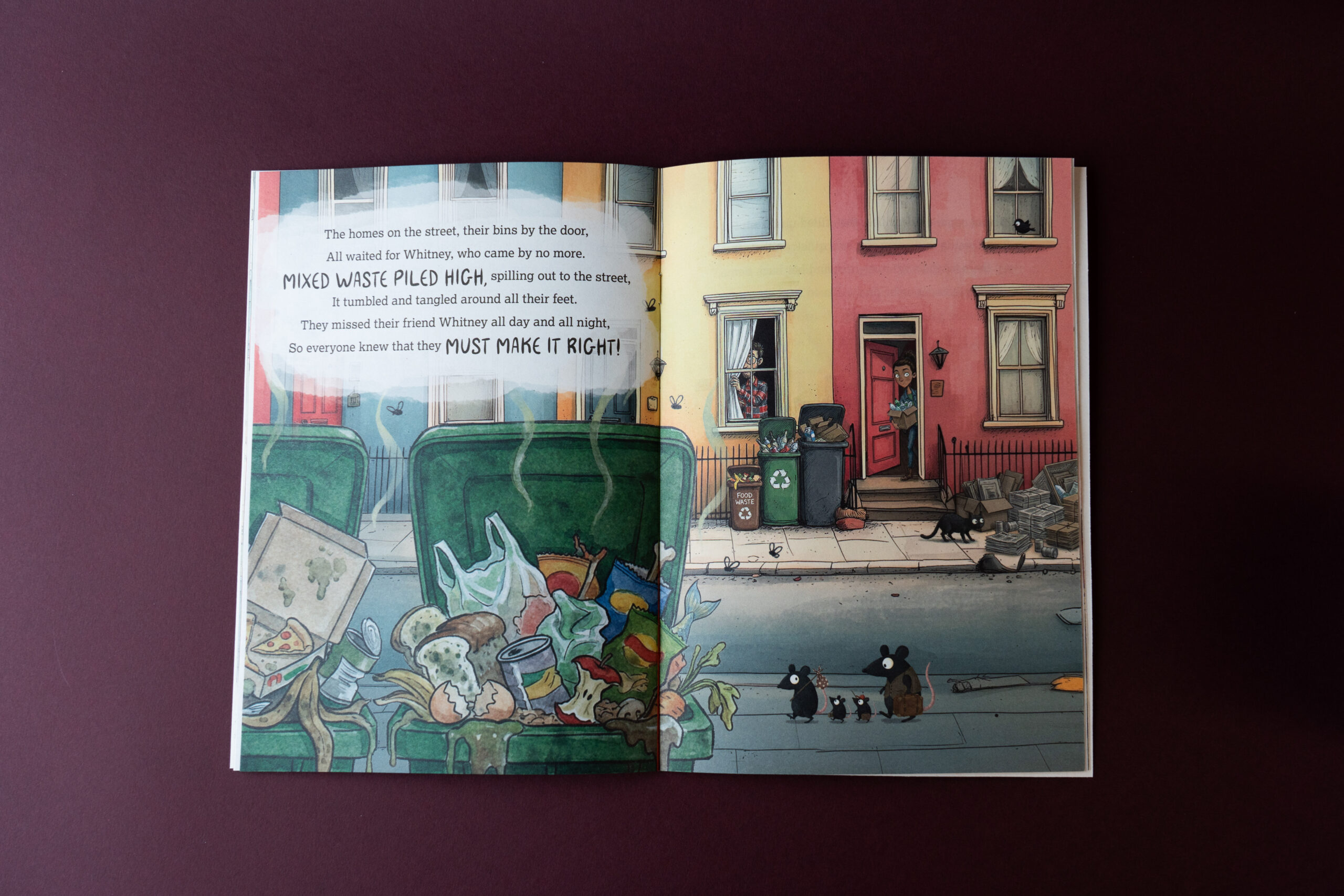
James Cropper Paper & Packaging, Britain’s master papermakers with over 180 years of heritage, has partnered with century-old sustainable waste management company Biffa to produce Whitney the Wasteater and the Wrong Bite, a playful new children’s storybook designed to encourage proper recycling habits and community engagement.
Launched to coincide with World Book Day and aimed at children aged 2-7, the story follows Whitney, a lovable yet ‘picky’ Wasteater who thrives on clean, dry recyclables but falls ill after taking a wrong bite from mixed or contaminated bins. The tale blends imaginative storytelling with practical lessons on sorting materials correctly, making recycling both fun and educational for children and families alike.
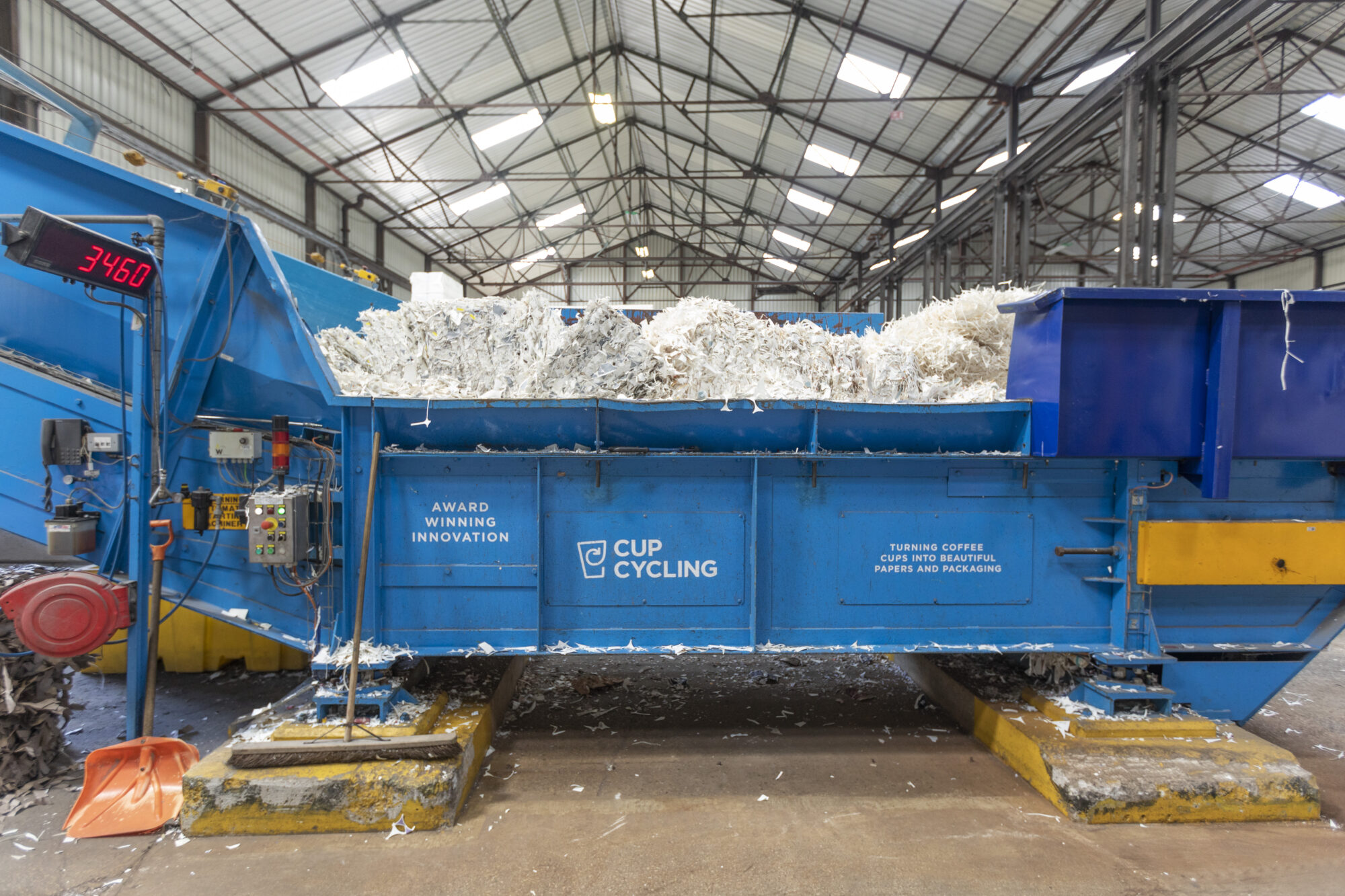
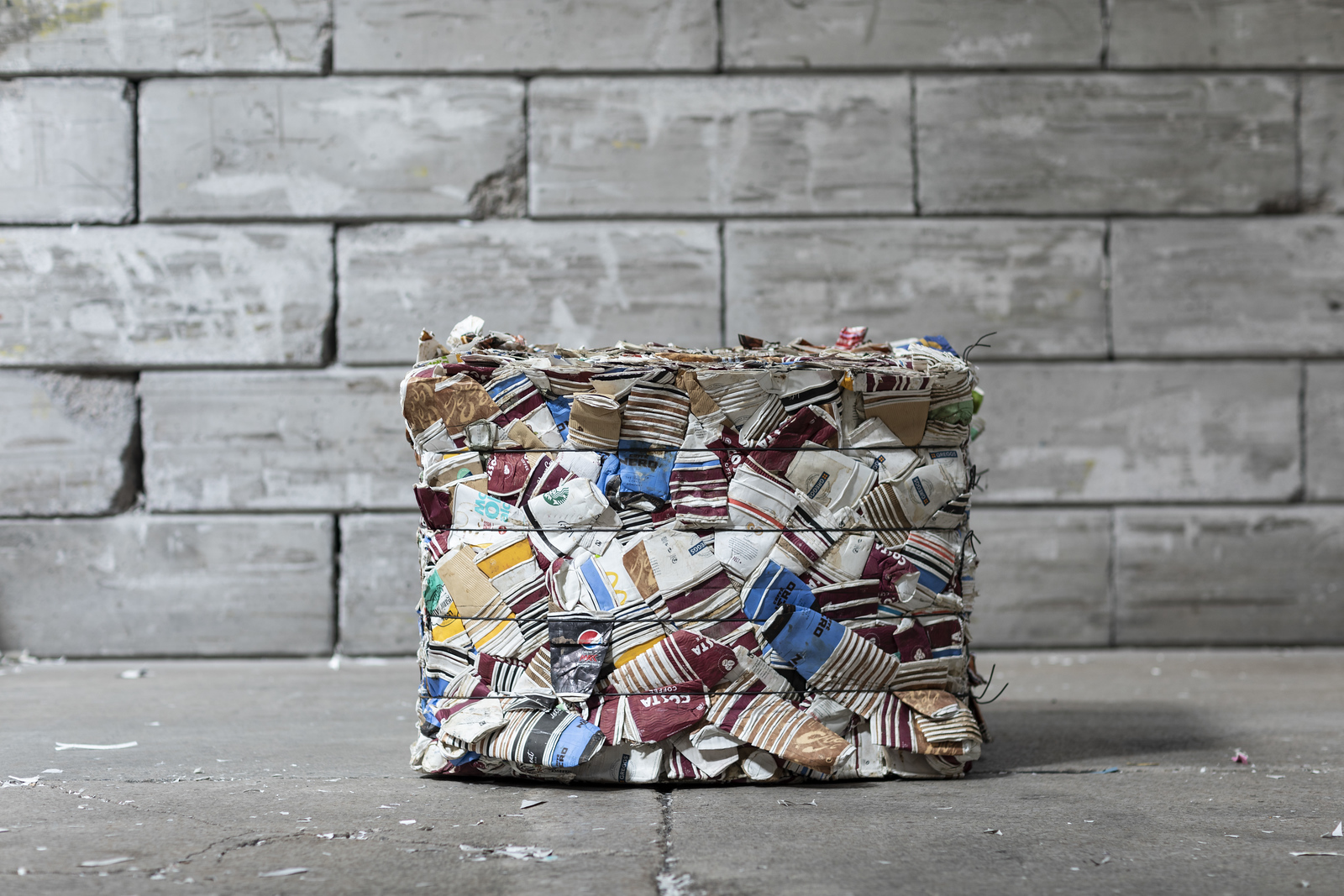
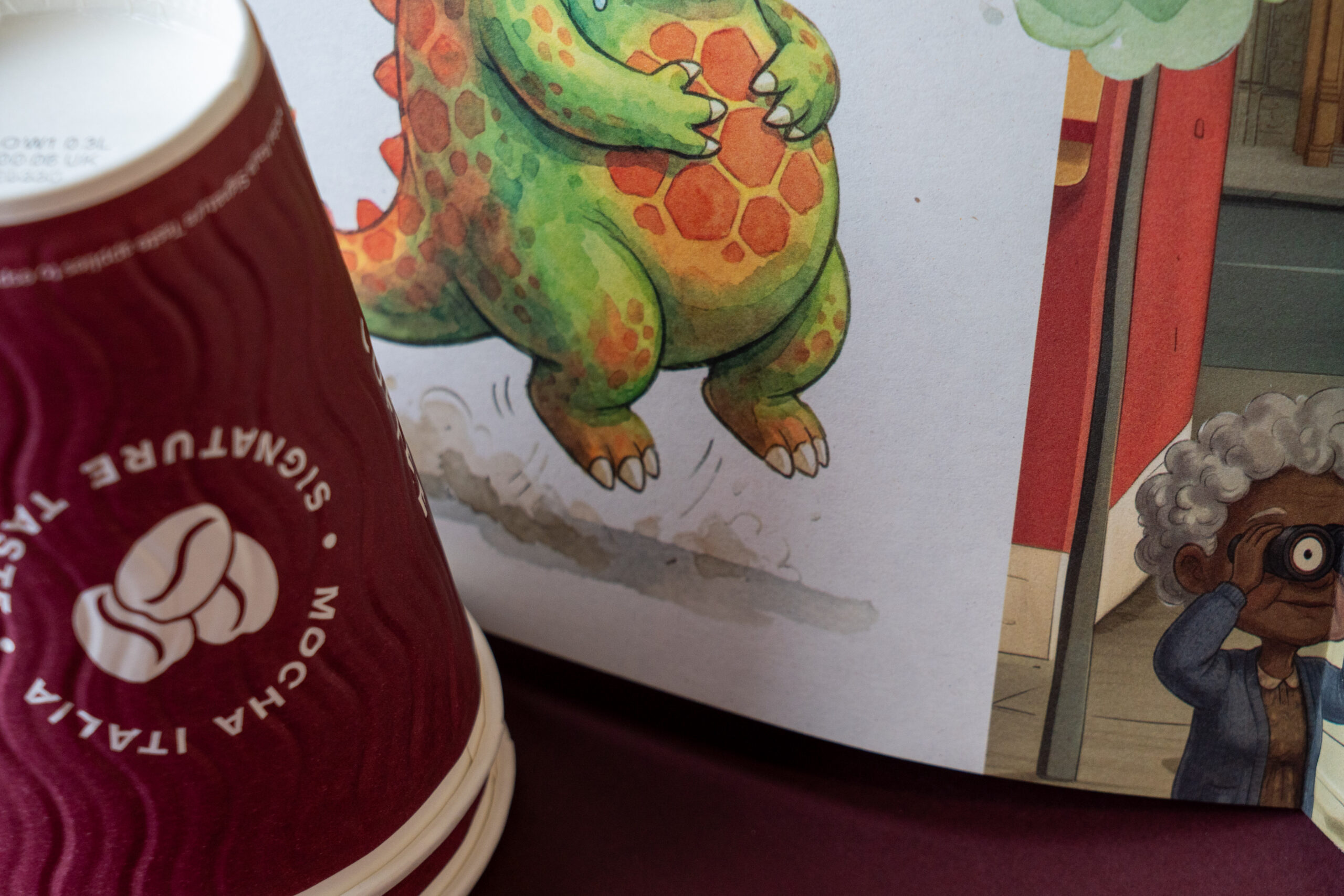
James Cropper supplied the storybook’s paper through its world-first CupCycling™ process, a system that has the capacity to upcycle up to 700 million used coffee cups per year, but in reality, only around 58 million are recycled annually, depending on whether people buy, use, and return the correct type of cup. Each copy of Whitney the Wasteater and the Wrong Bite is made from approximately 15 recycled coffee cups, turning everyday waste into something children can hold, read, and enjoy.
With an estimated 3.2 billion disposable cups used in the UK each year, less than 2% are currently recycled, showing that while the infrastructure exists, participation remains a challenge. Programmes like CupCycling™ demonstrate how industry-led innovation can step in where policy falls short, turning everyday waste into high-quality, environmentally responsible products and offering young readers a tangible example of the Circular Economy in action.
Major high-street brands, including Costa Coffee and Greggs, are part of this system. Customers can return their PE-lined cups to Costa stores to ensure they are collected and brought back into the CupCycling™ process. Many cups claim to be recyclable or compostable, but only PE-lined cups are suitable for this system, so it’s important to check the material.