Virgin fibres come with their own story, but once again, it requires a level of craftsmanship to tap into. Each forest contains different types of tree fibre that can have a subtle but noticeable effect on the end product, demanding a transparent and precise approach to material sourcing.
While often more controllable than the variables that come with recycled material, these differences can still affect the texture and colour properties of the finished paper, requiring a careful approach to colour matching depending on the final application of the product.
Colour formulation is where these nuances truly come to life. Fibre tone, absorbency, and surface formation all influence how pigments behave once they touch the sheet. Even the smallest shifts in fibre chemistry can subtly alter how colour appears under different lighting conditions, how it saturates, and how it ages. This is why working with virgin fibre isn’t simply about purity. It’s about control, predictability, and the ability to design colour with absolute intent.
For luxury brands, where a trademark colour can be a signature as recognisable as any logo, this fidelity is everything. A red that is fractionally too blue, or a black that reflects slightly too much light, can break the continuity of a brand identity that has taken decades to cultivate.
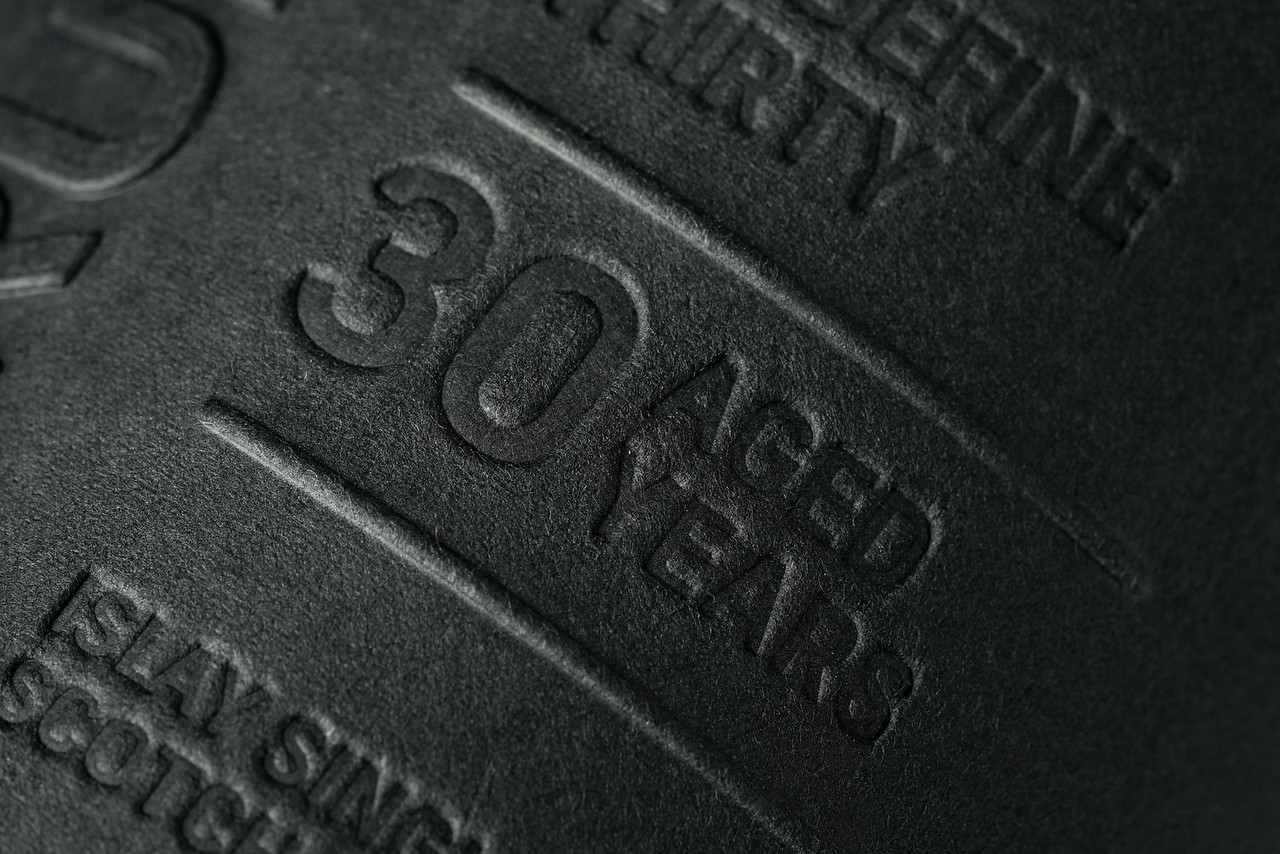
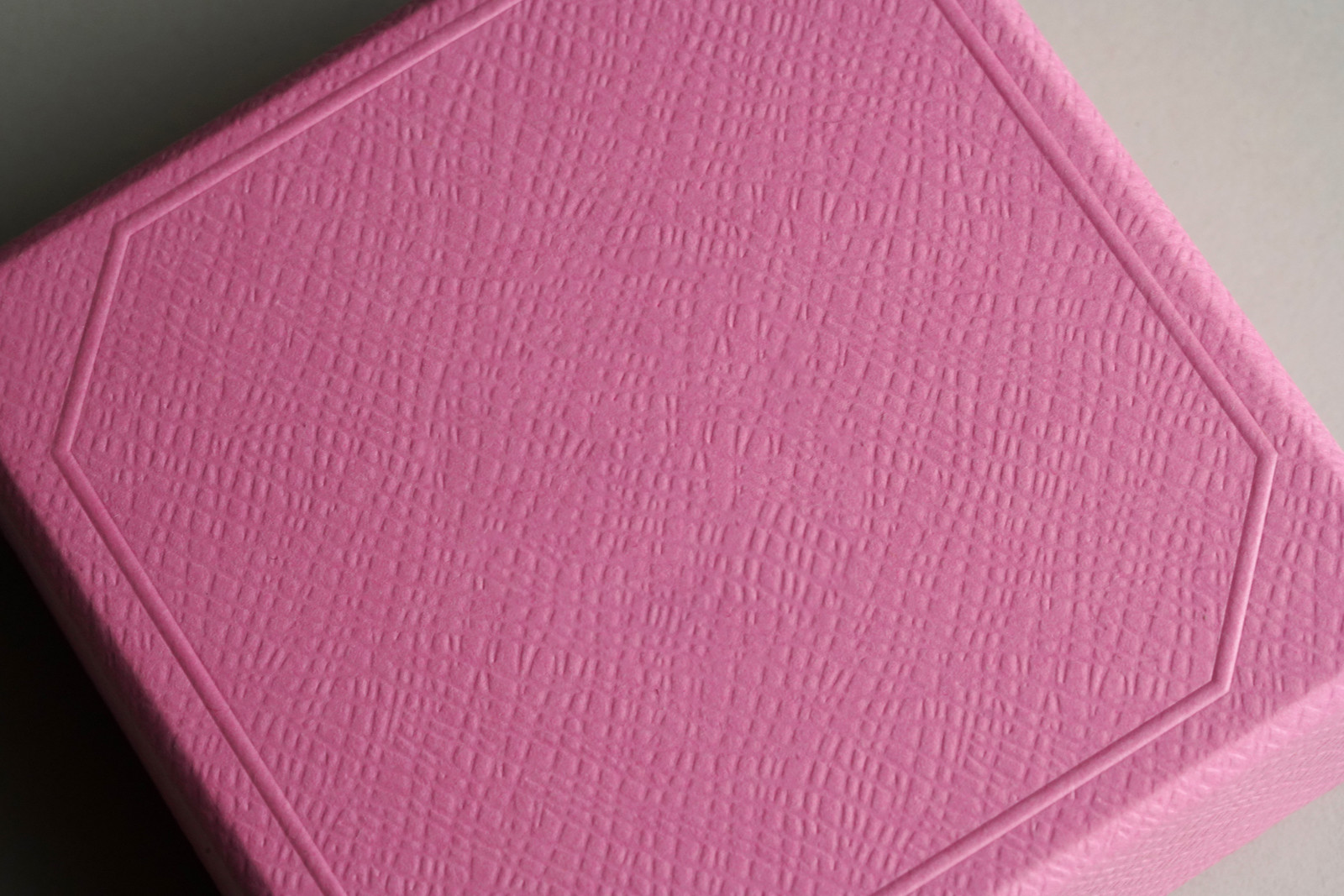
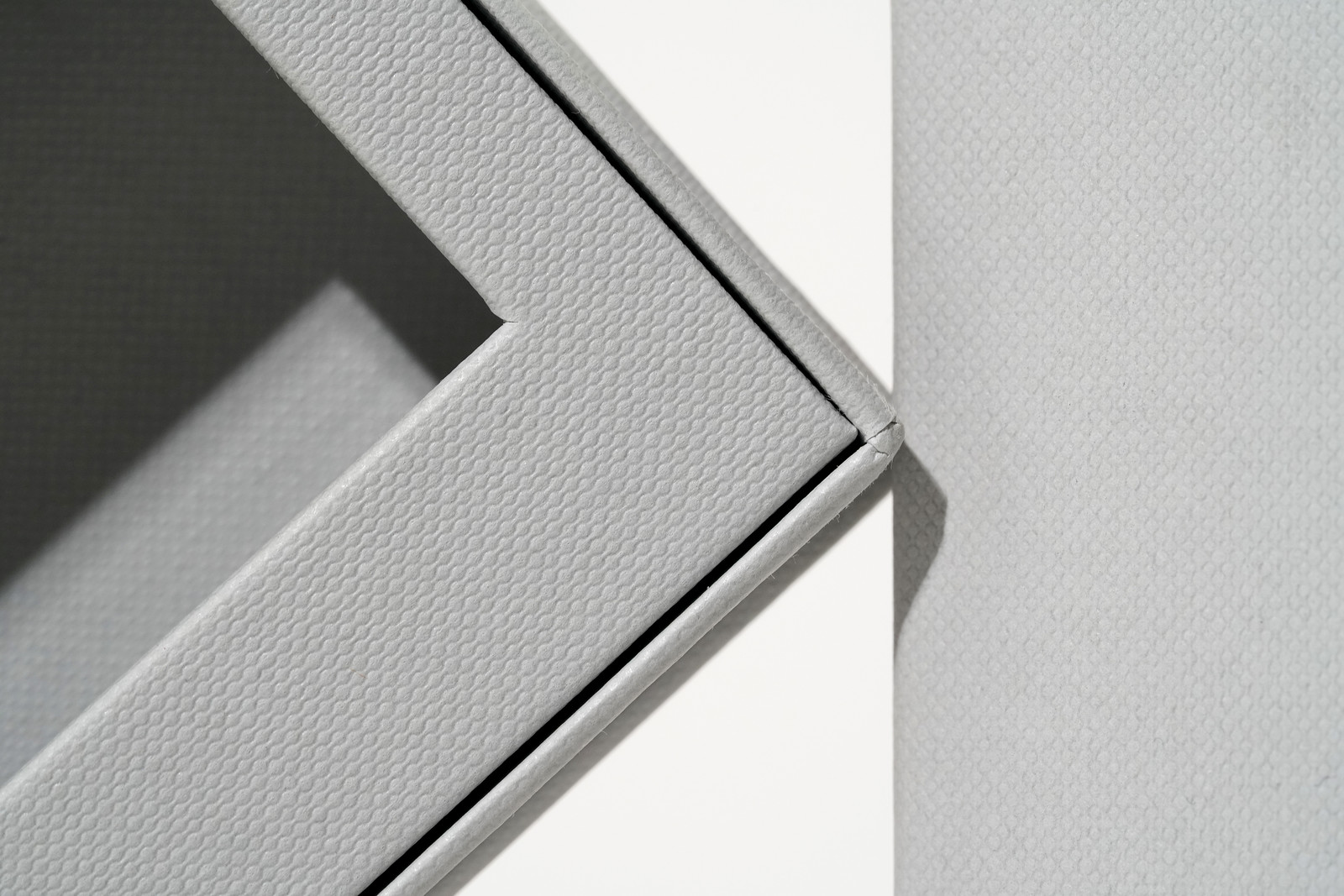

The soul of virgin fibre also lies in its tactile personality. As these fibres have not yet been through the mechanical stresses of recycling, they offer strength and length that create exceptionally clean formation. This produces surfaces with remarkable smoothness or, conversely, enable the engineering of specific tactile experiences, from velvety mattes to crisp, lightly textured finishes. These finishes become part of the experiential language of a brand. They can convey luxury before a product is even purchased, setting expectations through touch alone.
However, the real mark of craftsmanship is not simply selecting virgin fibre but shaping it with purpose. It’s about understanding how a material will behave when it is foil-blocked, embossed, die-cut, or laminated; how it will perform in fast-paced converting environments; how it will retain its beauty after thousands of consumer interactions. It’s also about ensuring that virgin fibre papers meet today’s expectations around sustainability – sourced responsibly, processed cleanly, and designed to last.