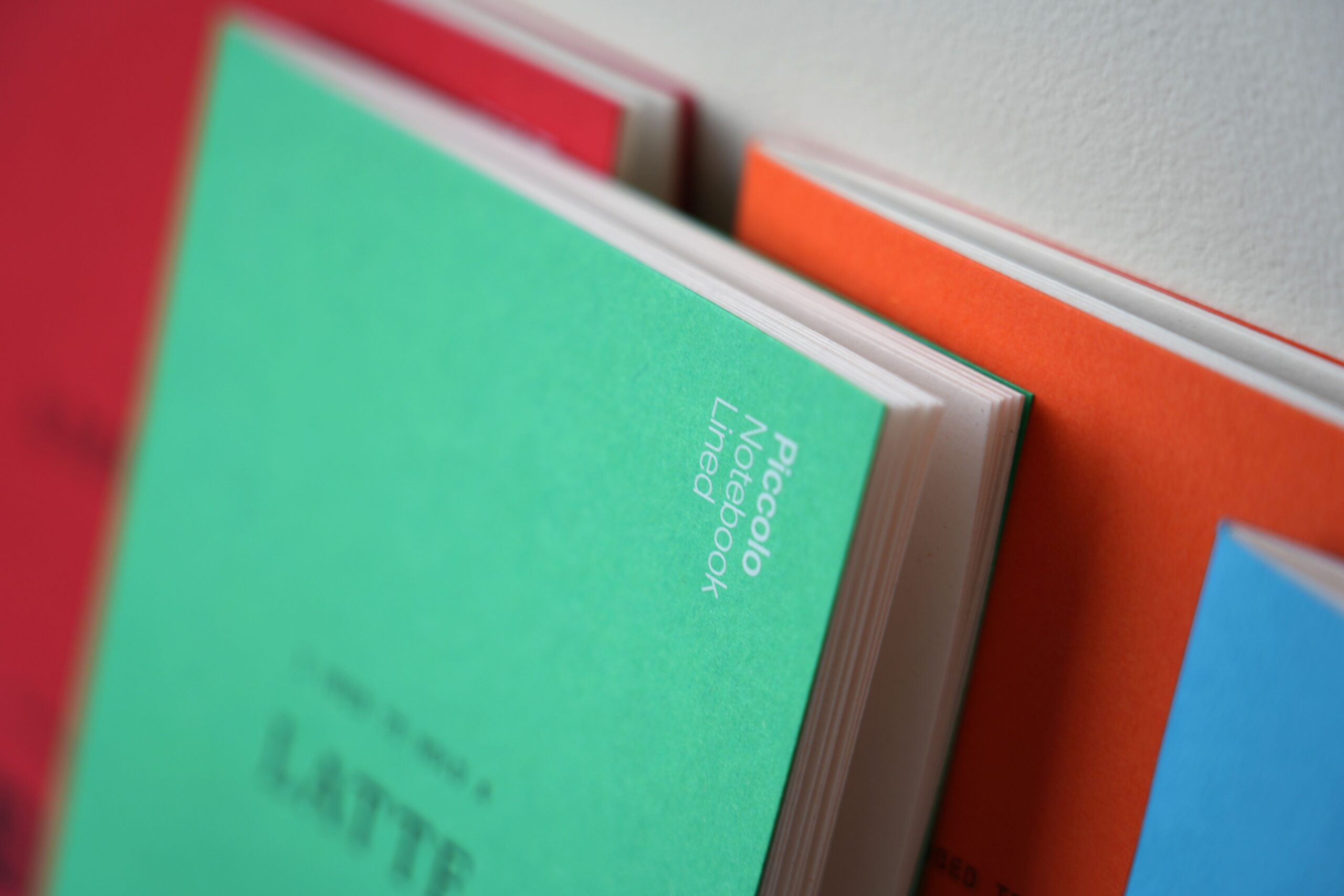
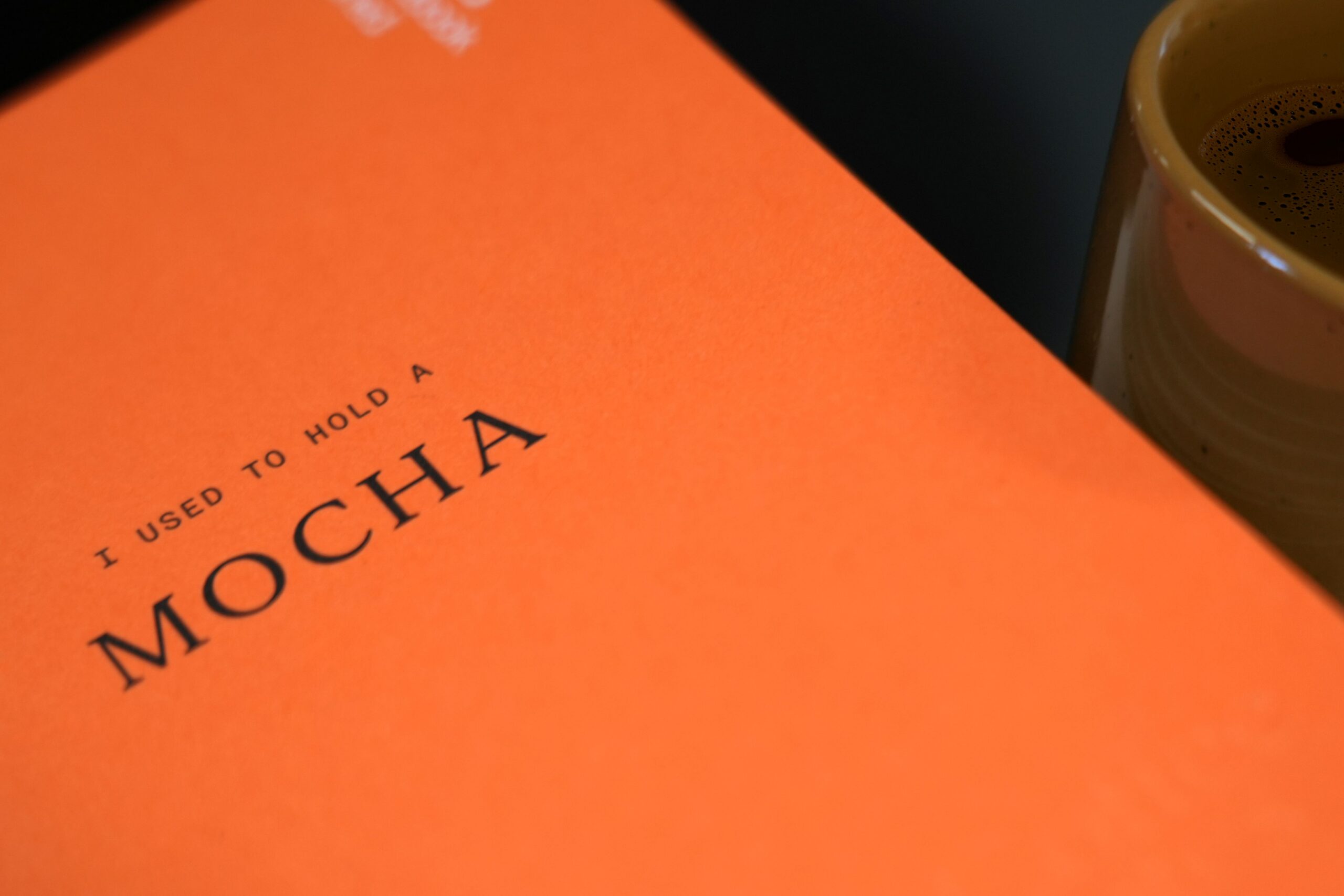
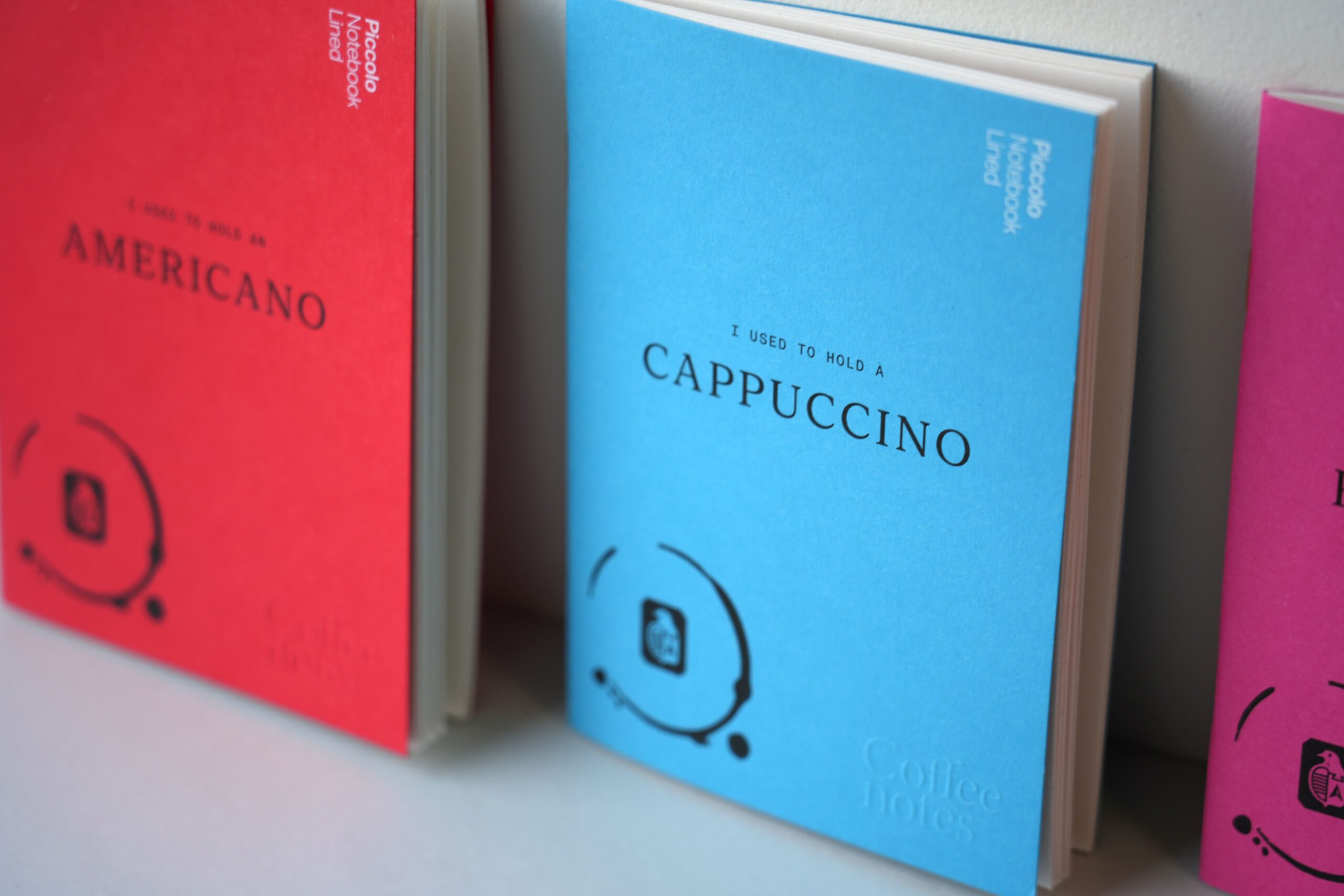
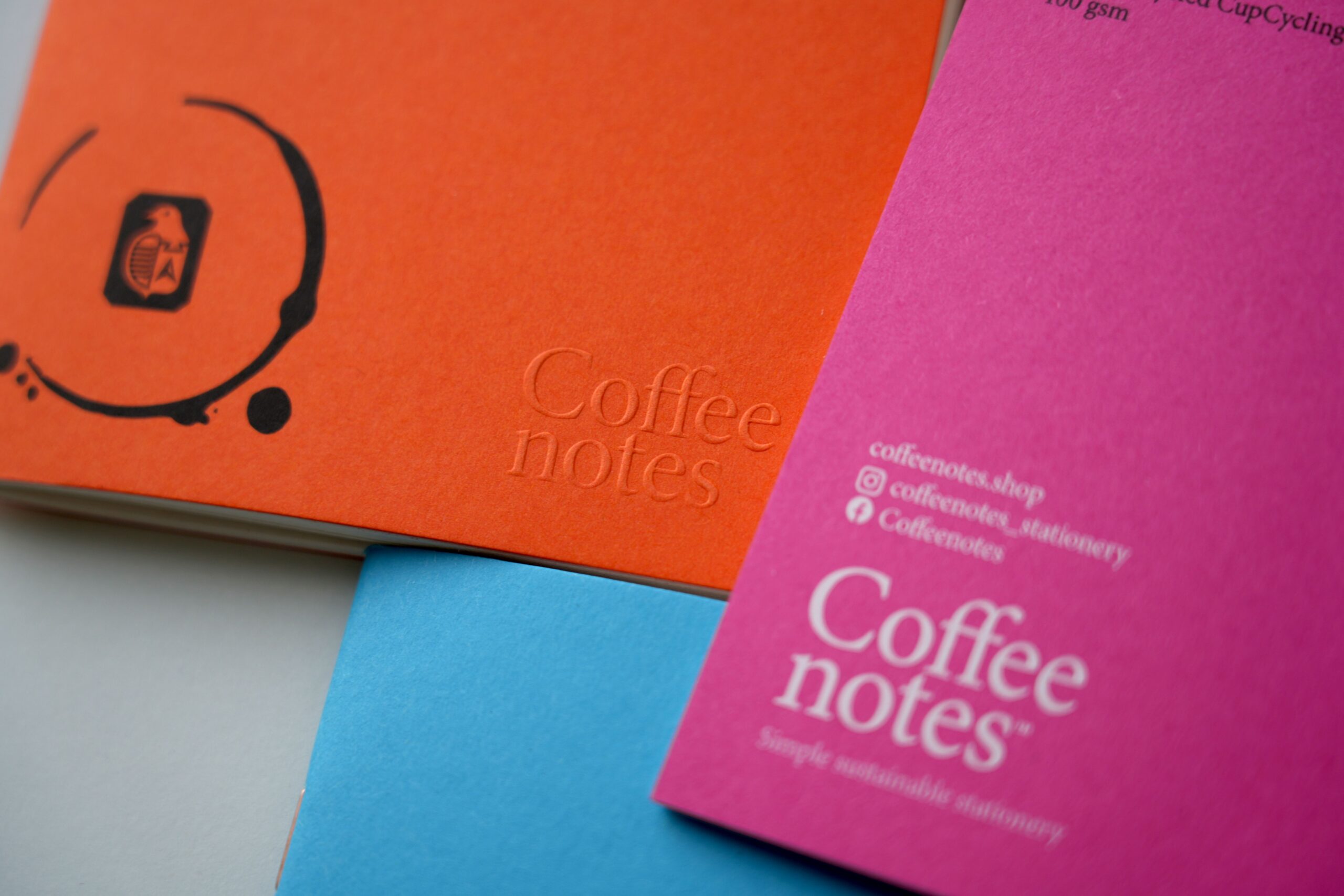
There is something rather fitting about turning a coffee cup into a notebook. One fuels the ideas; the other captures them.
Yet the journey between the two is anything but straightforward.
A disposable coffee cup is designed to hold a drink for a matter of minutes. A premium notebook must withstand months, sometimes years, of use. Its pages need to feel right beneath the pen, its binding must withstand regular use, and its appearance must make someone want to pick it up in the first place.
Making that transformation possible requires specialist recycling technology, material expertise and a detailed understanding of the finished product. All three sit at the heart of James Cropper’s approach to specialist papermaking. Working alongside Dorset-based Coffeenotes and its sister business Epic Print, James Cropper helped develop a bespoke writing paper incorporating fibre recovered from disposable coffee cups. The collaboration has contributed to a distinctive range of premium, plastic-free stationery, with Coffeenotes earning industry recognition and attracting organisations including World Wildlife Fund (WWF) and Hay Festival.
A lockdown experiment with a different ambition
The story began during the COVID-19 pandemic, when Sarah and Mark Downey found themselves with an unexpected opportunity to reconsider what their printing expertise could achieve.
Having spent around two decades running Epic Print, the couple had a longstanding interest in finding better uses for waste. With the business temporarily closed, they began exploring an idea: could they create stationery that embraced circularity without asking customers to compromise on the qualities that make a notebook worth owning?
The answer depended on getting the paper right.
The quality of the writing experience begins with the paper itself. Its weight, texture, shade and interaction with ink all play a part. For Mark and Sarah, existing recycled papers had not always delivered the weight, texture, or aesthetics they wanted. Rather than selecting an existing paper and designing a notebook around its limitations, the businesses set out to create a paper around the experience they wanted to deliver.
Drawing on an established relationship with James Cropper, Coffeenotes began developing a bespoke writing paper incorporating recovered coffee-cup fibre. Through testing and refinement, the teams worked towards a material that would be a pleasure to write on, with an equally compelling story behind its creation.