From beaker to reel: How papercraft presses meaning into every sheet

Published:
19 Oct 2025
The stories we hold in our hands.

Every sheet holds a world of possibilities

Paper is central to many of our most treasured memories.

Think of the vivid colours of the wrapping that you tore away to reveal your favourite childhood birthday present. The excitement of turning the last page of an unforgettable book. Or maybe just an ordinary paper cup, full to the brim with hot chocolate on a cold winter evening; perhaps enjoyed alone, perhaps shared with someone special.

These memories are simple to describe, but they define who we are. This is reflected in the paper products that underpin them – seemingly simple, but deceptively complex. A sheet of paper is never just a sheet of paper. It’s more than the sum of its parts, a product with limitless potential that acts as a blank canvas and a building material all in one. And by taking control of every detail behind the sensory experience of paper – from the feel of the fibre to the vivid colours that grab the attention – businesses can tap into the memories that shape our lives.

Where intent shapes every material decision.

A clear vision

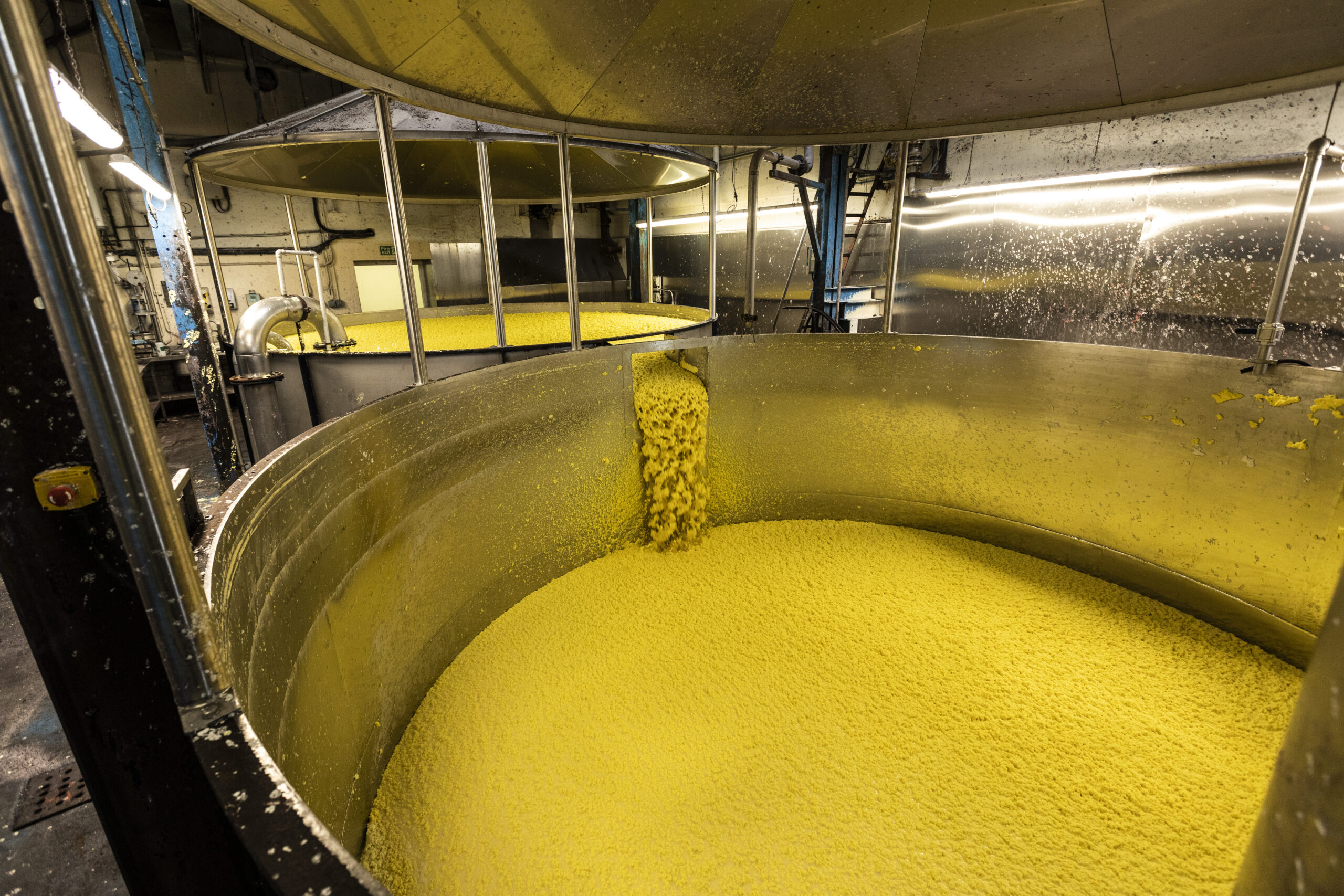
Delivering that kind of experience at scale requires a combination of craftsmanship, creativity, and technical skill throughout a detailed production process. At the start of this process, paper is nothing more than a greyish mush of pulped plant fibre and water, hardly the kind of material that can inspire deep emotional connections and treasured memories.

But before its transformation can begin, it has to be clear what the pulp will ultimately be moulded into. Is it destined to become packaging, stationery, archival material, an art print, office paper, or something for a highly specialised niche application? And what properties does it need to be suitable for that application? Does it need to be lightfast, resistant to bleed, strong, flexible, lightweight, or printable? What sort of sensory experience should it deliver – vibrant colours, smoothness, or a tactile roughness? And how will it be finished? Will it be embossed, debossed, foiled, varnished, or treated with a particular coating?

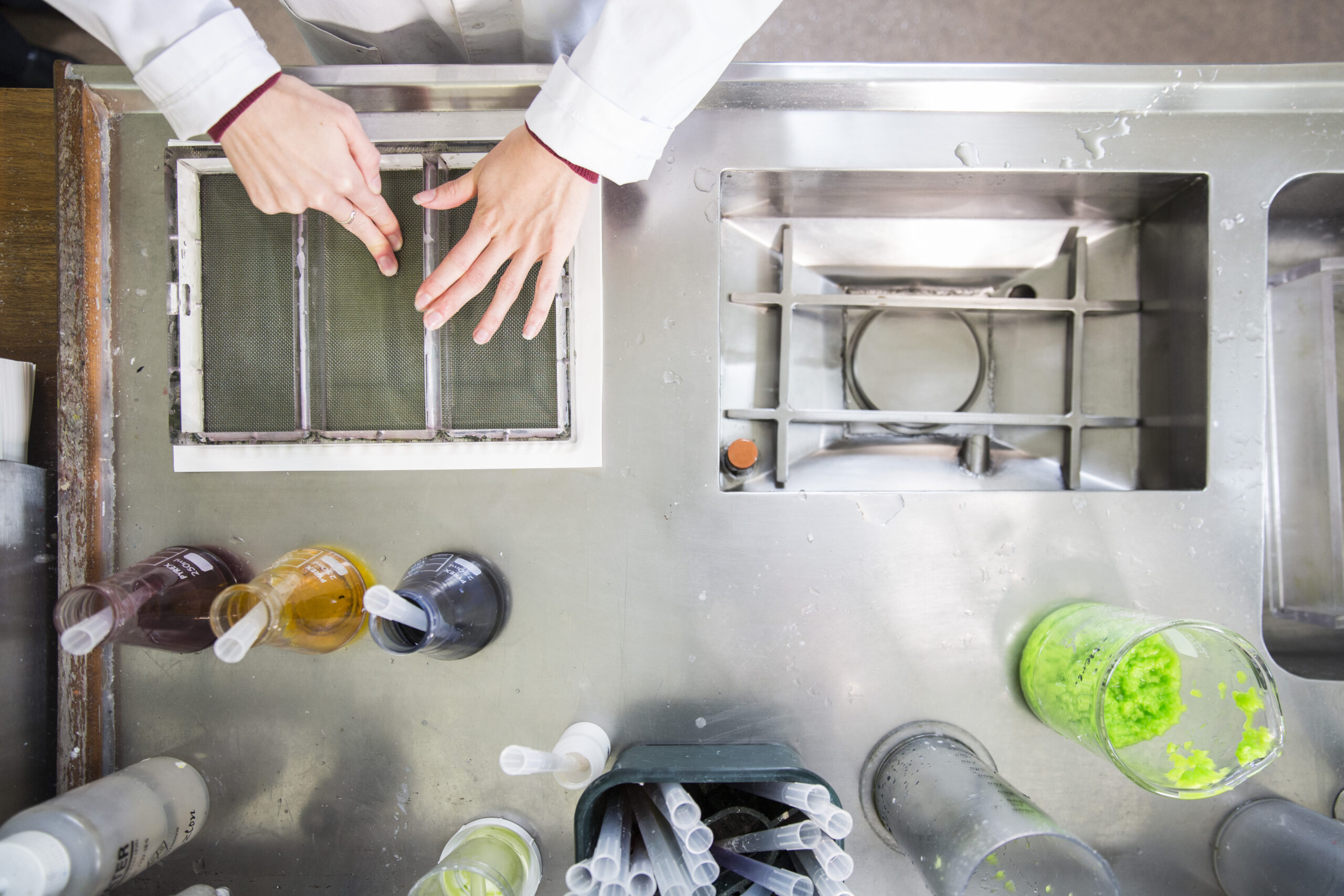
All of these questions need decisive answers, as they determine the exact route this beakerful of sludge will take on its journey to becoming a finished product. Papermaking is a complex process that blends art and science, as creative and chemical elements interact with one another throughout the process. In most cases, making a decision about one element will have an impact on everything else, meaning careful consideration is needed.

Balancing function and finish in paper production.

From pulp to production

The final look and finish of the paper have to be delivered alongside the functional properties that its application demands. This means the development process demands much more than just mixing together pigments or dyes until the final colour matches the brief.

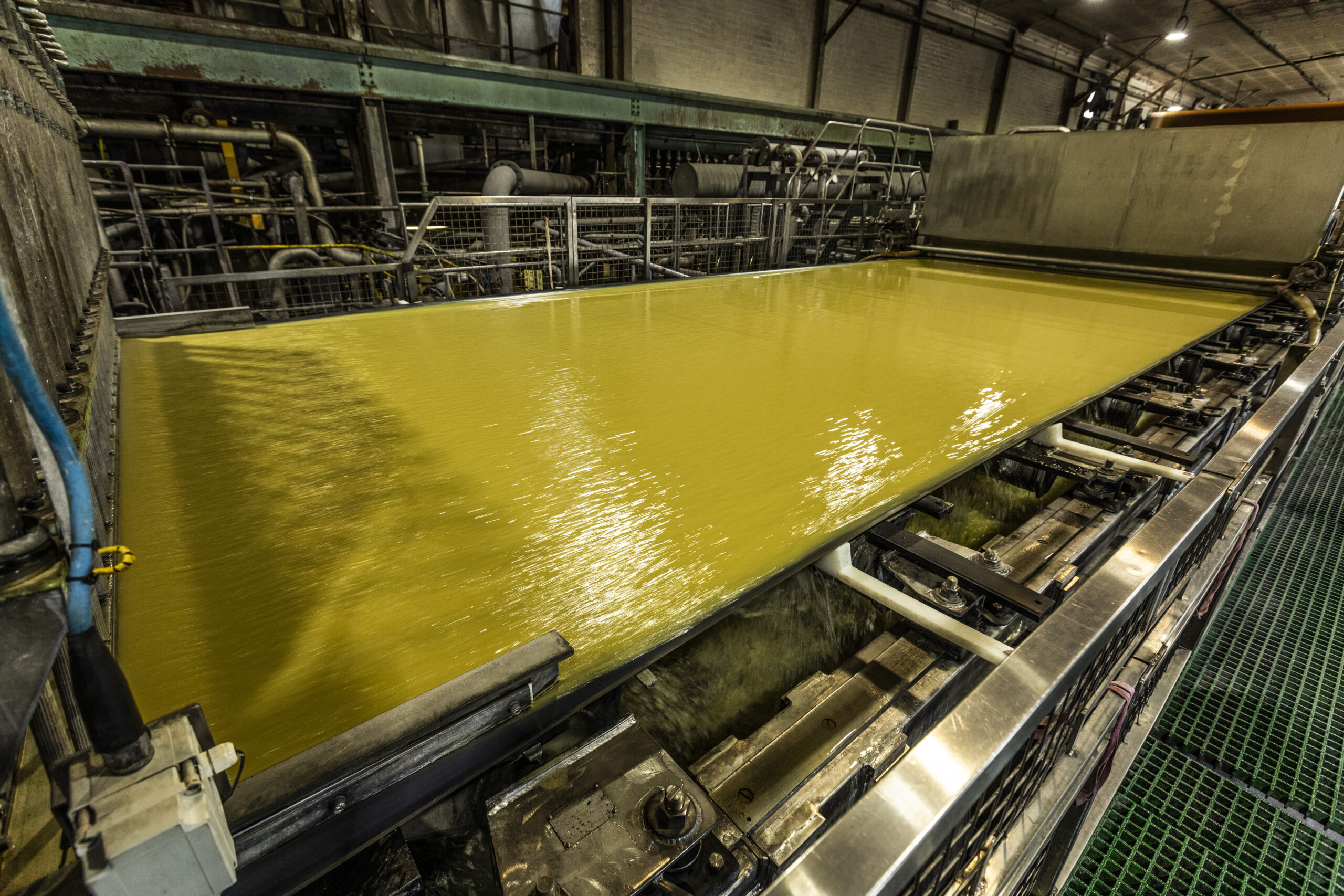
For example, a luxury paper bag for retail applications needs to be robust, water-resistant, and resistant to bleed and rubbing. For this application, pigments are preferred over dyes, as they attach to the surface of a fibre and do not bleed easily when wet, making them an ideal choice for a product that has to perform even when exposed to the elements. Dyes, while producing more vivid colours, are absorbed into the paper fibres, are more prone to fading and bleeding over time. Both solutions need to be combined and balanced with other treatments, such as brightening agents and coatings, to deliver a precise coloured sheet of paper that can scale into full production consistently.

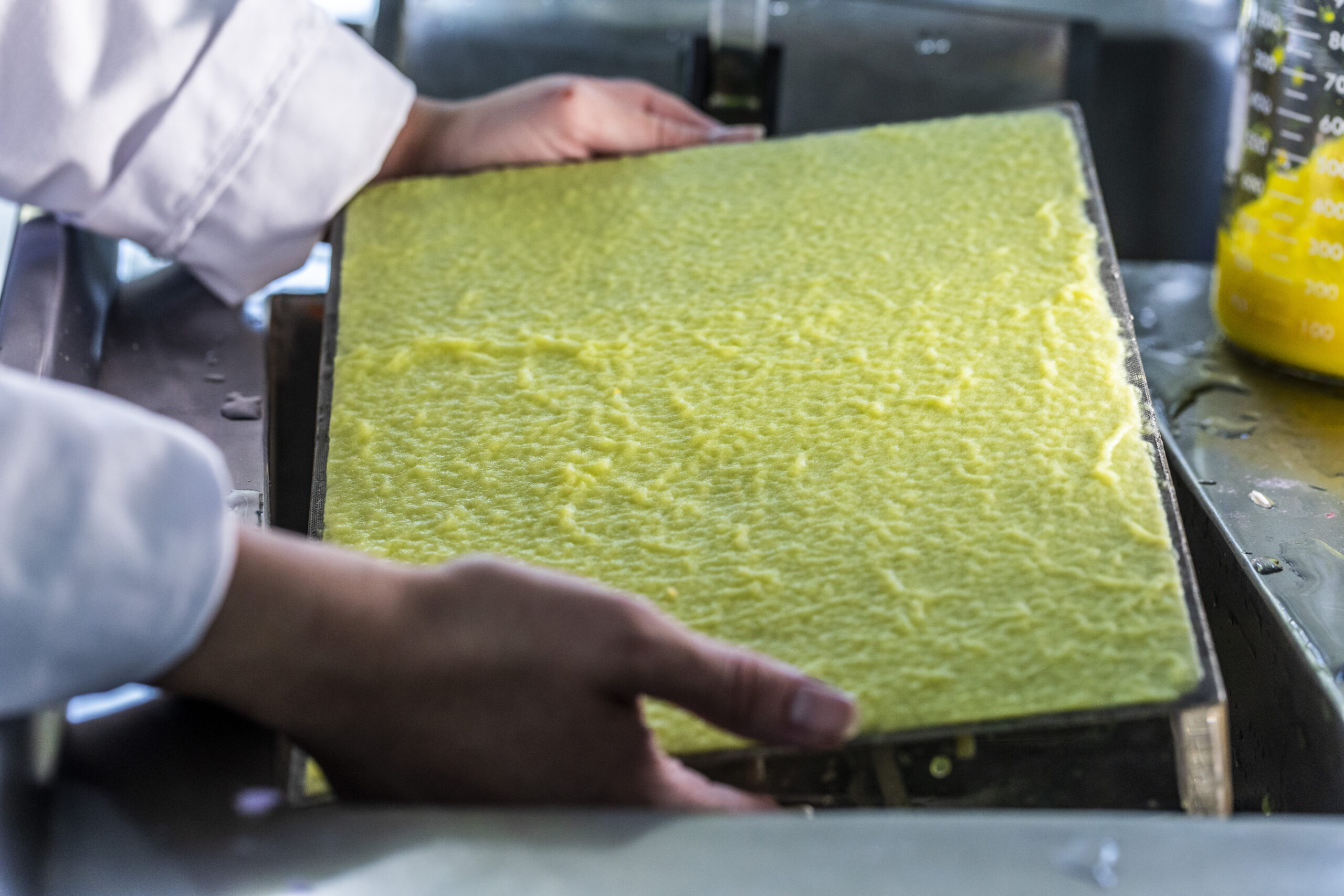
Throughout this time, the nondescript grey pulp transforms in a constant process of iteration and evolution. It is taken out of the beaker, mixed with fillers and colourants, and pressed into sheets. Each prototype sheet brings us a step closer to delivering the functional properties, weight, look, and feel of the brief, and a step closer to full production.

Collaboration, craft, and science in paper making.

A shared journey

At James Cropper, this isn’t a journey we take alone. We work in close collaboration with our customers to ensure that we are closely aligning with their vision every step of the way. This takes the form of extensive testing using cutting-edge technology and the expert eye of the professionals in our lab. Tests for strength, colour fastness, metamerism, bursting, and more may be required depending on the application. This blend of in-depth science and human creativity is what gives premium materials like James Cropper paper their artisanal soul. And that soul is at the core of the special memories that paper helps to create.

More than anything, this soul, pressed into every fibre of the paper, is the thing that matters the most. It provides proof that, when you hold a product in your hands, whether it’s an envelope, carton, or piece of stationery paper, it has been made with care by true craftspeople.

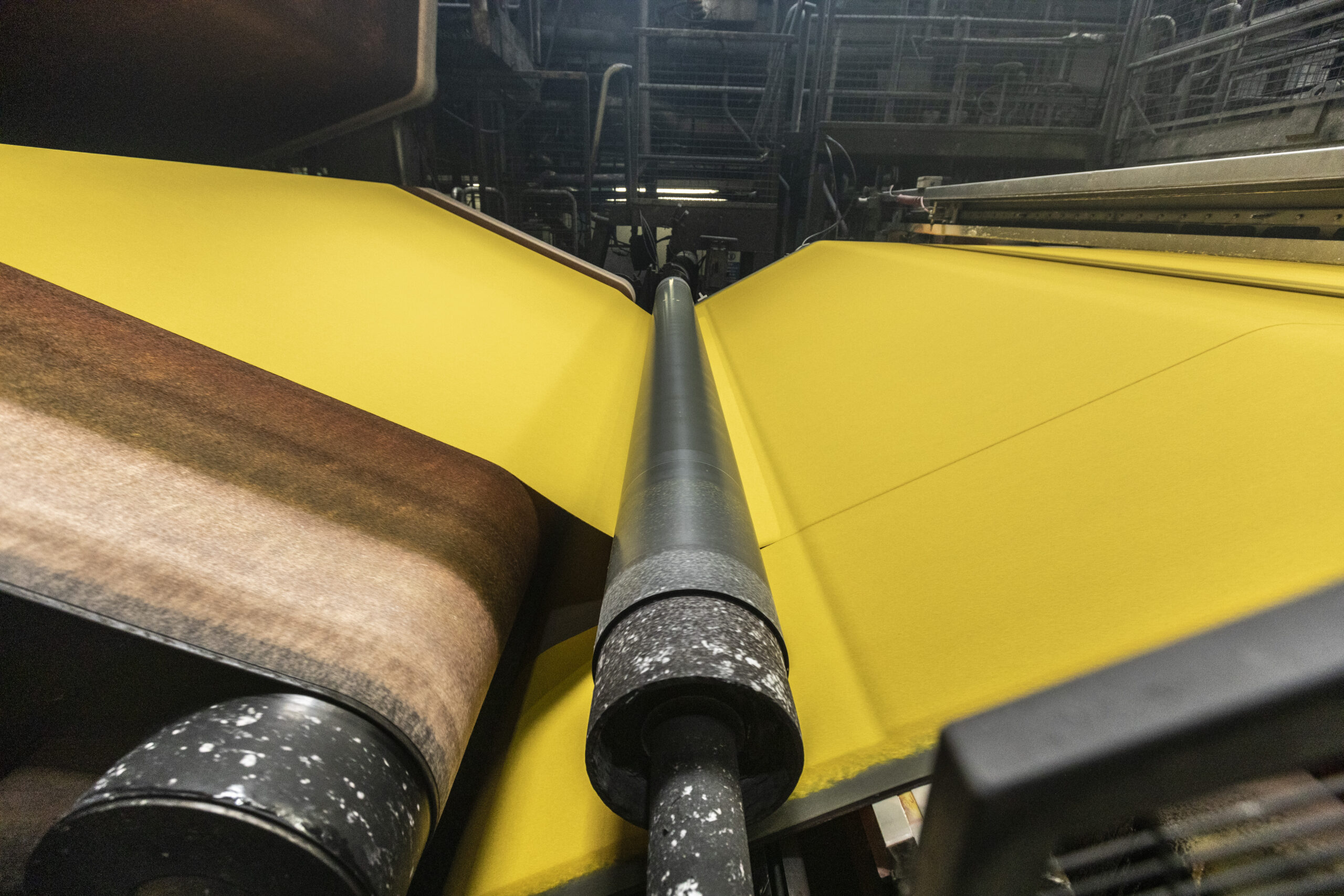
The journey from beaker to reel is not straightforward. But in the end, that is what elevates paper from a passive material to an active participant in our lives. When craftsmanship, science, and imagination come together, they create something with both purpose and personality. It is this fusion that enables brands to evoke emotion, spark recognition, and form connections that endure far beyond the moment of use. And as long as paper continues to carry these stories in every fibre, it will remain a medium that shapes memories as much as it preserves them.

Bring paper to life with purpose and craft

Experience how James Cropper turns paper into a medium of memory and meaning. Collaborate with us to bring craftsmanship, creativity, and technical expertise to life.