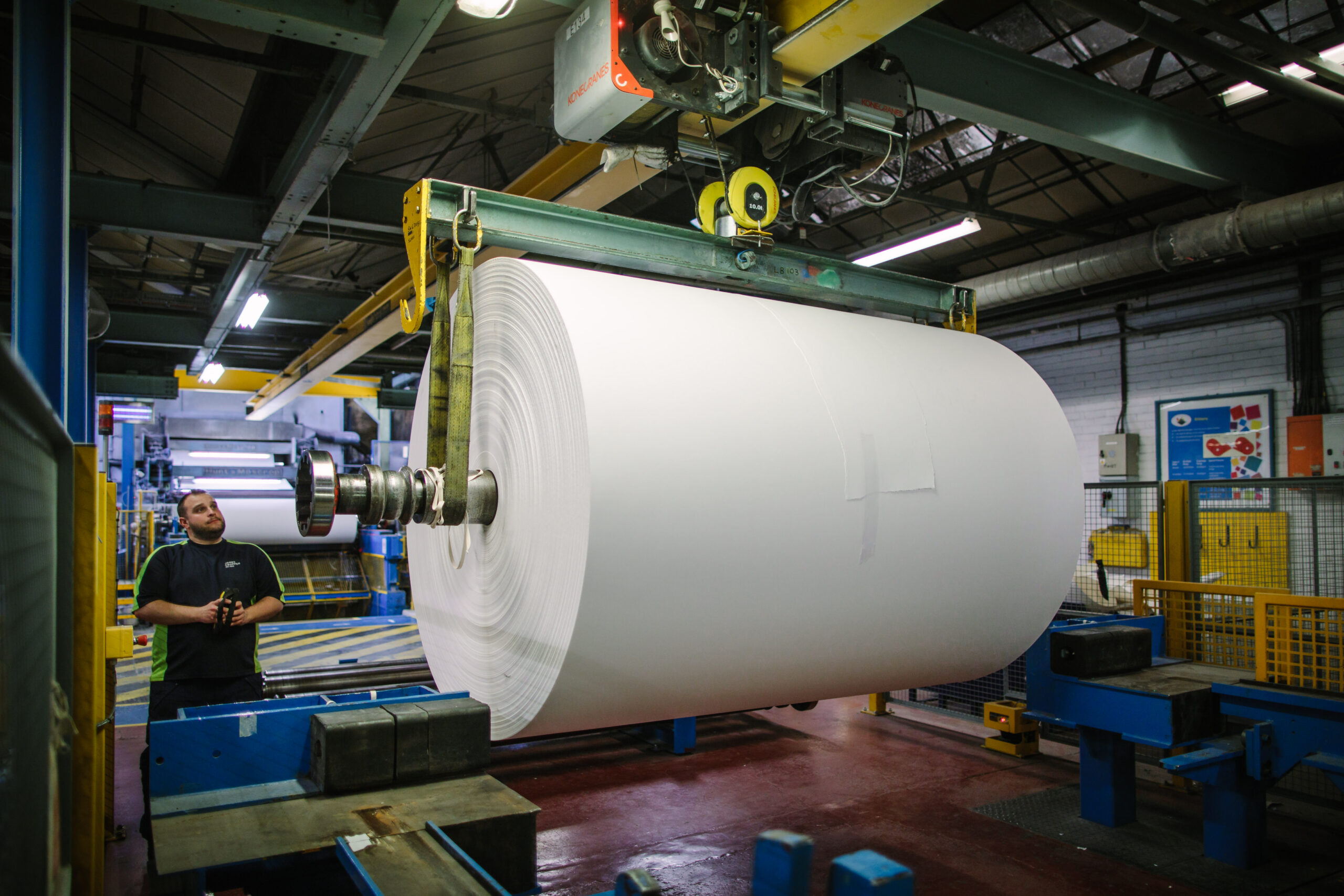
The power of staying close

Published:
20 Feb 2026
Every sheet begins with people, insight, and care.

Close to the craft

In a market obsessed with speed, responsiveness is often misunderstood. Faster lead times, quicker decisions, and rapid pivots are all held up as proof of agility. But speed alone rarely delivers quality. More often, it creates distance from the material, the process, and the people who make the work possible.

True responsiveness is born elsewhere. Not from haste, but from proximity.

At James Cropper, this belief is not theoretical. It is lived day to day, often most clearly through the people who sit closest to both customers and the mill. For Julia Lawrence, recently appointed Regional Head of Sales, every year since joining the business has brought new challenges and shifting market conditions. What has remained constant is the importance of staying close enough to understand what those changes really mean.

“Since I started at James Cropper, every year has been completely different, with different challenges in the business and changes in the markets,” she reflects. “I put an immense amount of work and effort into learning about James Cropper’s paper products and the extent of the mill’s papermaking and colour capabilities, so I could as quickly as possible proactively advise our customers. There is a fantastic wealth of knowledge, expertise, and craftsmanship amongst the team, who have continuously provided their patience and support, and also direct support to our customers.”
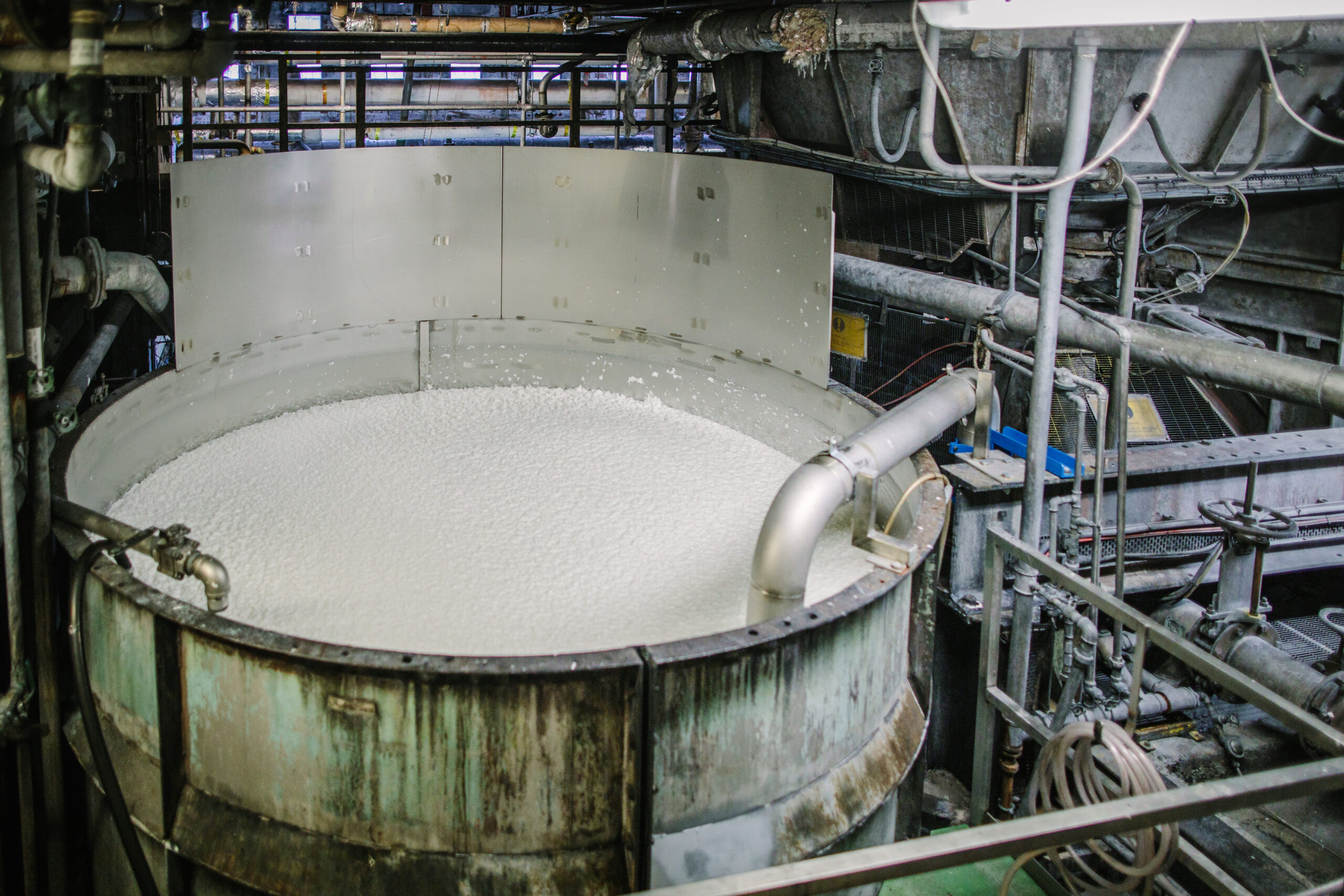

Excellence begins with noticing. Understanding the material, the process, and the people it serves.

The art of attentiveness

Early in her role as Commercial Account Manager, that meant immersing herself in detail, not to memorise specifications, but to translate possibility. Selling, in this context, was never about speed. It was about understanding enough to offer considered, high-quality solutions.

That closeness extended beyond any single role. “I have been part of and created cross-functional teams within the business to support finding ‘high-quality’ solutions for customers,” Julia says. “This approach and team effort have exposed me to all areas of the business and enabled James Cropper to remain agile and react positively to changes, keeping aligned to customer requirements. It has also supported the development of new products and innovations within the business as we have become more responsive to market needs.”

In papermaking, this attentiveness matters. Paper is not static. It responds to fibre blend, colour chemistry, moisture, temperature, and time. The smallest shift can change its behaviour. To work well with paper is to notice early, adjust carefully, and understand before intervening.

Quality improves this way, not through correction alone, but through awareness.

When technical expertise, quality discipline, and production knowledge are aligned, issues are anticipated rather than escalated. Standards are upheld not by distance or inspection, but by shared responsibility. “I have found that delivering ‘high-quality’ is down to the customer relationships and the flow and exchange of knowledge and information that is fed back into the broader James Cropper team, as everyone plays a role in delivering high-quality in the team,” she explains.

The same principle shapes customer relationships. Collaboration is built over time through shared highs and lows. “Building collaborative relationships with our customers requires a platform of trust and business integrity. Experiencing these highs and lows over the years has helped build partnerships where together we can identify opportunities that deliver true value to both parties,” Julia adds. “The value comes not just from sales and growth, but also from supporting supply chain efficiencies, sharing technical knowledge, and utilising resources to deliver the best outcome for the customer.”

Service thrives where understanding travels both ways.

Closer to the customer

Service excellence, Julia believes, comes from truly knowing a customer’s business and staying close enough for insight to travel both ways.

Closeness also means looking beyond the immediate transaction. Increasingly, Julia has found value in meeting end customers alongside converters and brand partners, inviting them into the mill to see the manufacturing process firsthand. “What I have found over the past few months is the value and opportunities that arise with meeting the end customer with our customers! I regularly host customer mill visits so that their end customer gets to experience James Cropper’s papermaking and the mill’s extensive capabilities first-hand. It exposes them to James Cropper’s expertise in using fibre blends and reclaimable fibres, such as CupCycling®, and also the world-class knowledge and expertise of our Colour Team,” she says. “When they experience this first-hand, it changes the conversation completely.”

Belief is formed not through explanation, but through exposure.

Place plays its part too. Operating from a single mill, shaped by generations of knowledge, creates continuity. Decisions are informed by history as much as innovation. Learning is retained rather than diluted. The landscape, the people, and the process remain in constant dialogue.

As Julia steps into her leadership role, her priorities reflect the same philosophy: growth supported by strong relationships, teams developed through care and clarity, and service strengthened by better data and forecasting. “First and foremost, having a plan that fully supports achieving and exceeding target sales growth and strengthens relationships with our customers is key. Secondly, supporting my team’s personal development goals and aspirations will enhance their performance and create a positive platform for driving sales growth,” she notes. “There are members in my team who are at the early stages of their sales career, and I want to play an active role in supporting their growth and development at James Cropper. To support and drive improvements to our service offering, accurate data exchange will play a significant role in the future, especially for forecasting customer demand. This supports the whole supply chain and delivery of service excellence.”

Where change is guided by insight, not haste.

Agility through closeness

Across James Cropper, this attentiveness creates a quieter kind of agility. One that does not announce itself, but is felt in consistency, reliability, and trust. Innovation integrates smoothly because it emerges from existing understanding. Change feels less like disruption and more like refinement.

“My perspective on customer relationships remains unchanged, as this has always been and will always continue to be my number one priority on the path to developing and driving sales growth,” Julia emphasises.

At its core, this is what James Cropper believes: excellence emerges from closeness to material, to people, to process, and to place.

Because the most responsive businesses are not the ones that move the fastest.

They are the ones that stay close enough to notice.

From concept to crafted experience

Discover how proximity drives excellence. Connect with our team to explore paper, process, and possibilities firsthand.