More than a mill: James Cropper’s success shows the power of British manufacturing

Published:
9 Oct 2026
Specialist manufacturing tends to focus on the things you can put on a spreadsheet. Jobs created. Economic contributions. Products made. Production speed. But the true value of these sites exists in the knowledge, capability and experience accumulated over generations, and in what businesses continue to do with it.

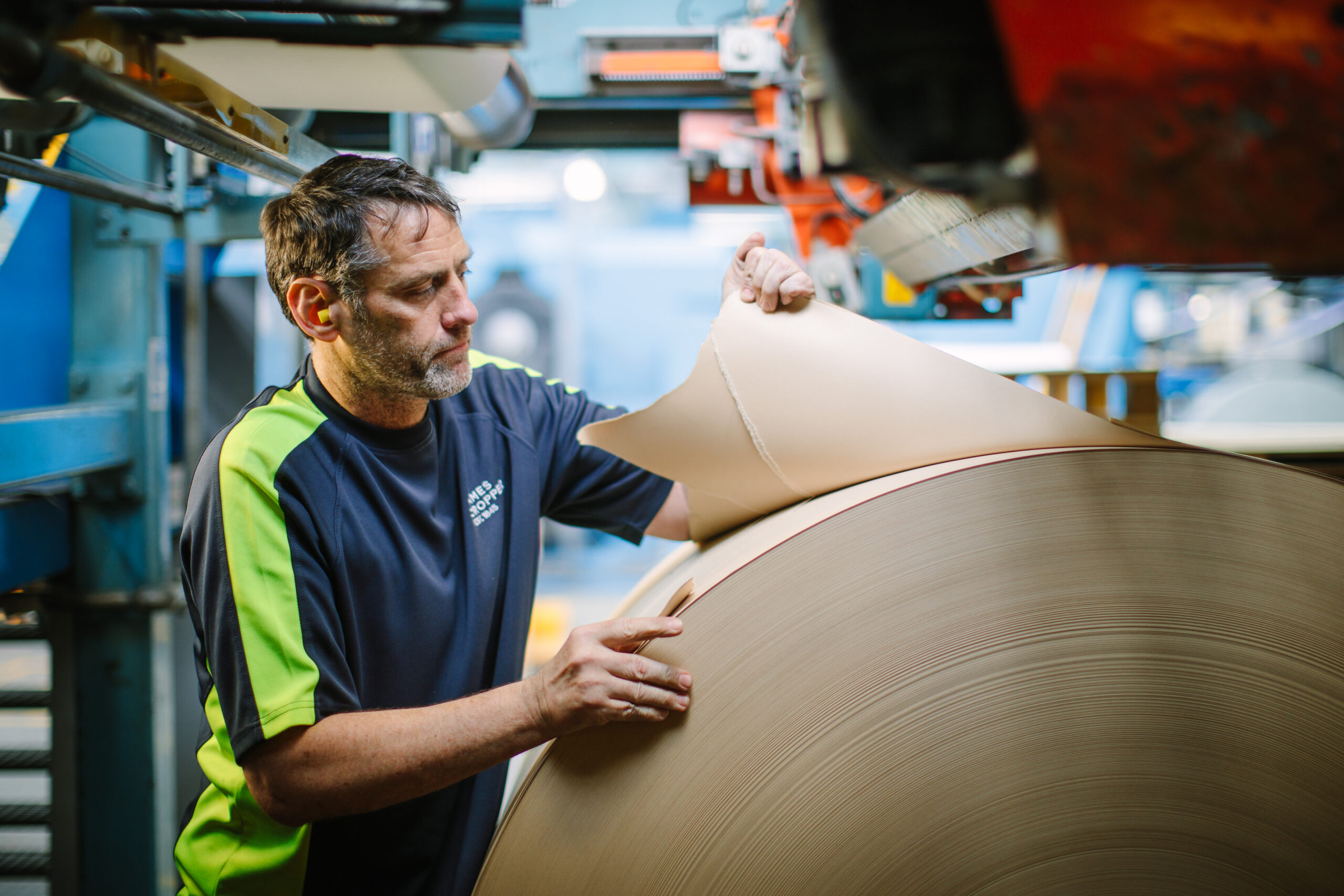
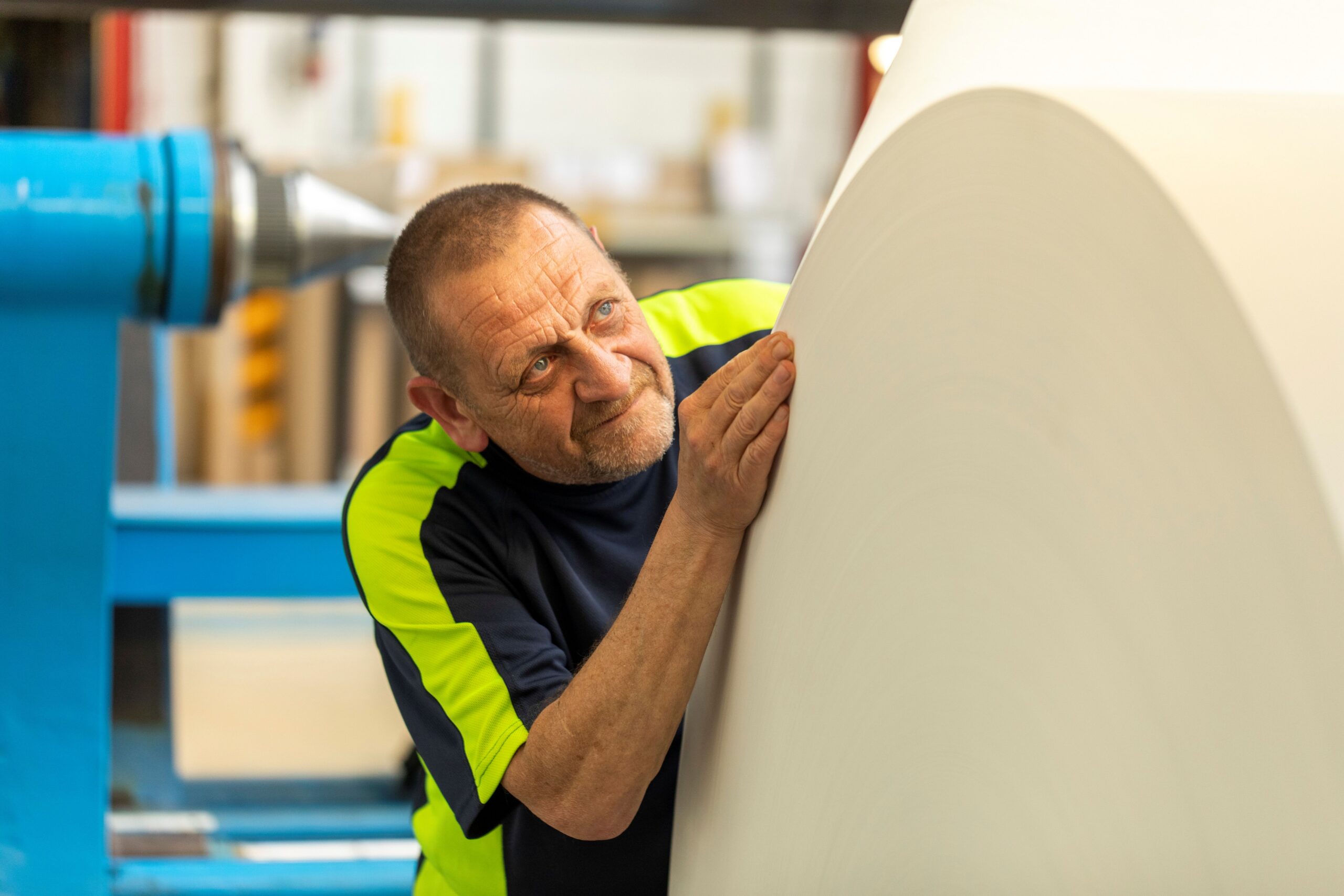
A paper mill can become a repository of that knowledge. After all, it holds the collected experience of papermakers who can read fibre behaviour, and colour specialists who understand colour beyond just a numerical value. This level of experience cannot really be quantified. It certainly can’t be replicated with AI or an algorithm. However, it can be kept alive, relevant and commercially valuable.

James Cropper’s new documentary, The Last Mill Standing, explores how that knowledge can be preserved from inside the UK’s last remaining specialist coloured paper mill. The film celebrates the people, materials and expertise behind papermaking, but also shows what it takes to keep that capability relevant: adapting to changing markets, developing new applications and ensuring generations of accumulated knowledge continue to have commercial purpose.


Living knowledge

Some kinds of knowledge can be documented. Specifications, formulations, process settings, quality standards, best practices, training courses, and more – all of it creates essential frameworks that a business can build on.

Other kinds of knowledge, however, live in practice. This can be seen in the papermaker who recognises how a particular fibre behaves and can intuit the best subtle adjustments before problems arise. It sits with the colour specialist who combines scientific measurement with trained eyes to achieve a shade that reads correctly and feels right. It grows through repeated exposure to materials, machinery, and finished applications, and it means long-standing team members on the production line or in the colour lab communicate far more effectively than the loudest announcement or longest team-wide email ever could.

At James Cropper, this understanding has blossomed through six generations of material innovation at the Burneside mill. It produces more than a thousand unique papers each year, with colour expertise spanning 184 blacks, 62 whites, and every part of the spectrum between them. It was the first place in the world to manufacture coloured paper and today stands as the last such site in the UK, with its recent commercial performance demonstrating that specialist manufacturing capability can remain relevant and resilient.

Capability built over generations

The sheer breadth of capability required to pioneer an industry for nearly two centuries cannot be reduced to a library of recipes. It depends on people working together across papermaking, colour science, technical services, engineering, quality, and product development. Each contributes a different perspective, creating a collective understanding of material that is as much individual as it is shared.

That capability is difficult to recreate once it disappears. Machinery can be replaced, but rebuilding the relationships between expertise, inspiration and intuition developed over generations is considerably harder. The challenge, therefore, is to ensure that specialist knowledge continues to find new purpose as markets and technologies evolve.

Picture by Steven Barber Picture by Steven Barber

The capability ecosystem

Mills sit at the heart of an ecosystem containing papermakers, technicians, engineers, suppliers, converters, printers, and designers. As British mills have closed, parts of this ecosystem have disappeared with them or moved overseas, reducing the concentration of people, processes and material expertise once found within the UK.

This value matters across the global supply chain. For brands and designers, fewer specialist manufacturers can mean less material choice, longer or more vulnerable supply chains, and fewer opportunities to develop something bespoke. And, for companies in specialist scientific or medical fields that rely on specific fibre-based materials, it can close off vital avenues for research and development.

Standard products do still serve many applications extremely well. But those requiring distinctive and accurate colours, unusual textures, or a demanding print and converting process may require close collaboration with people who understand how an idea will behave once it reaches production. That kind of expertise is harder to find, making the ambitious creative work it enables even more valuable.

When heritage becomes a platform for progress

This commitment to progress is often presented as somehow being at odds with heritage. In a paper mill, the relationship between the two is deeper and more productive.

Heritage creates a repository of expertise that gives a business the confidence to experiment and push boundaries. People who understand a material intimately are better placed to explore what else it could do, anticipate how changes may affect performance, and turn a promising concept into a scalable product. That understanding is passed down through the generations like a priceless heirloom.

James Cropper began producing coloured papers in 1856, using the emerging synthetic dye technology of the time. Today, its work encompasses bespoke papers, alternative fibres, upcycled materials, and thermoformed fibre packaging. The tools and applications have evolved, but the underlying curiosity has never changed. Specialist knowledge survives because it keeps finding new applications, responding to changing customer needs while giving each generation a foundation to build on. Processes are not frozen in time, but established skills are put to new use.

Value beyond the spreadsheet

Safeguarding and nurturing this capability requires action from across the manufacturing and creative supply chain.

For producers, it means investing in people as well as equipment. Apprenticeships, mentoring, and collaboration between experienced specialists and the next generation help knowledge keep moving rather than becoming concentrated in too few hands.

For brands, designers, and procurement teams, it means looking beyond unit cost when choosing materials and manufacturing partners. Provenance, technical support, resilience, and access to specialist expertise all have commercial value, even if that value is harder to capture in a spreadsheet.

A mill is simultaneously a production site, laboratory, archive, school and community. The Last Mill Standing brings those roles together, offering a warts-and-all look at a one-of-a-kind UK manufacturing site and the people responsible for keeping its expertise relevant. It captures the pressures facing specialist manufacturers, but also the adaptation, investment and ingenuity required to come through them stronger.

A production line may be restarted. Machinery may be replaced. But the real strength of specialist manufacturing lies in knowledge accumulated across generations and the ability to keep finding new uses for it. The Last Mill Standing offers a window into that hidden world, paying tribute to the mill’s magic while showing that preservation and progress are not competing ideas.

At Burneside, nearly two centuries of papermaking knowledge provide the foundation for what comes next. That may be the most powerful argument of all for keeping specialist British manufacturing alive.

Experience the value of British papermaking firsthand

See what generations of specialist knowledge and innovation could bring to your next project. Get in touch with our team or arrange a visit to our Burneside mill to experience the expertise behind James Cropper for yourself.