The mum, the movement, and the paper with a purpose

Published:
24 Jun 2026

Charlotte Mason-Curl built a community of 26,000 parents around one lightbulb moment: that gifting doesn’t have to mean landfill. Now she’s written a children’s book to prove it, printed on paper with a story of its own.

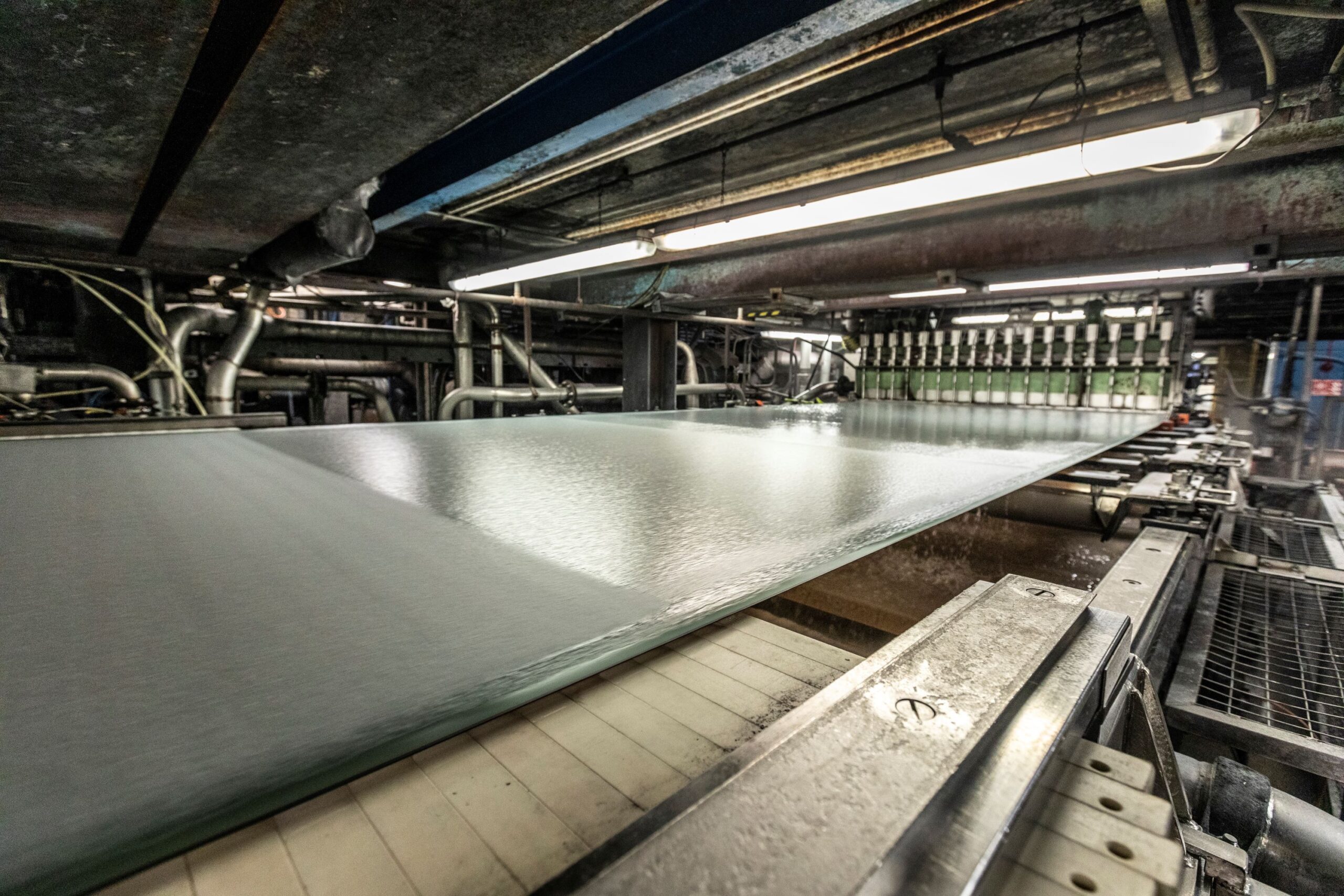
Living just a few miles from Burneside Mill, Charlotte can cycle to the printer that produces her books. The proximity, physical, philosophical, and deeply local, turns out to be the whole point.

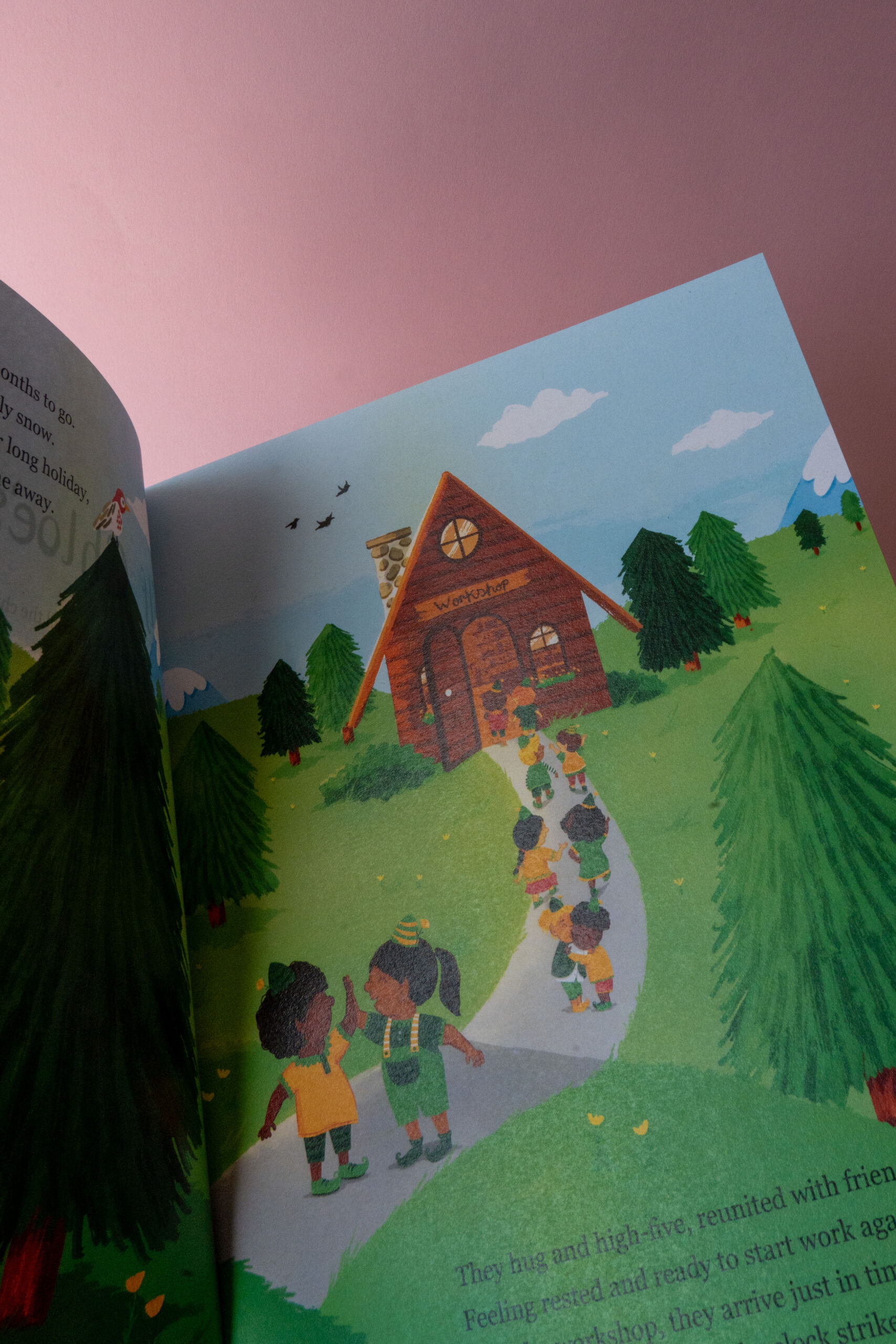
Her debut picture book, Elf Chloe’s Surprise, was published in June 2026. It is a rhyming read-aloud for children aged two to five, following an elf who discovers something troubling about the toys her workshop keeps making, and decides to do something about it. The story tackles toy waste, pre-loved gifts, and the idea that even the smallest voice can change things. It is also, in a very specific sense, a product of its landscape.

The special edition is printed on Vanguard, a paper made from recycled fibre supplied by James Cropper. It was printed by Titus Wilson, just down the road. In fact, Charlotte picked up the first copies herself.

“It feels really nice doing something with your local community,” she says. “Burneside is only a few miles from where I live. That matters to me.”
The conversation parents keep having

The book didn’t begin as a book, but as a recurring conversation. Charlotte is the founder of No Crap Parties and The Kids Party Pact, a grassroots campaign she started in January 2025 after years of talking to other parents about the quiet dread of children’s parties: the cost, the plastic-filled party bags, and the growing pile of gifts nobody particularly wanted.

Ultimately, the waste.

“Most parents agree with the problem,” she says. “But everyone just goes along with the current norm. It feels like you should give out a party bag, but actually most people would rather not.”

The friction between what people privately believe and what they publicly do became the engine of the campaign. It has since grown to 26,000 parents, secured National Lottery funding, and earned coverage in The Times and BBC Newsround. The insight powering it is that one family doing things visibly differently gives others the permission to follow.

The book emerged from a specific gap in that work.

“One of the bits of feedback I hear all the time is: how do I talk to my children about this? How do I get my child on board?” The answer, she decided, was not another parent conversation. It was a character.

“Books are a really good way to have difficult conversations because it’s not coming from you as the ‘mean mum’. It’s coming from a third-party book with characters. It just makes it easier.”

Agency, not anxiety

Elf Chloe is ageless and childlike by design. Charlotte wanted children to see themselves in the character, to go on the problem-solving journey with her rather than be lectured at. The tone throughout is discovery, rather than alarm.

“I didn’t want to bash anyone over the head with how bad things are. I wanted it to be about discovering a problem and then asking: what can we do?”  Charlotte’s reasoning is that a lot of what children hear about climate change involves things outside their control. Gifts and parties are different, though. Children have opinions on them and a stake in them.

A headteacher Charlotte spoke with put it plainly – birthdays and Christmas are one of the few areas where children can actually influence outcomes. They can suggest an experience instead of a toy. They can pass a beloved Lego set to a younger cousin. That agency is valuable not just for the planet, but for the child.

“The feeling throughout the book is that you aren’t losing anything by doing things differently. You can actually make things better.”

There’s another key element hidden in plain sight; Mrs Claus runs the workshop and does the work, but Santa gets the glory. The nod to maternal mental load around kids parties is intentional, and Charlotte suspects most adults will catch it even if their children don’t.

The paper had to match the story

Charlotte originally planned to publish through well-known print-on-demand services. The proofs came back wrong. Colours were off, pages weren’t straight, and she had spent around £6,500 of her own money on a book she needed to feel proud of.

“I wanted to feel proud of the final thing people held in their hands.” The physicality of the object mattered enormously, which made the choice of paper more than a practical decision. A book about reducing waste and valuing materials ought to be made of something worth holding.

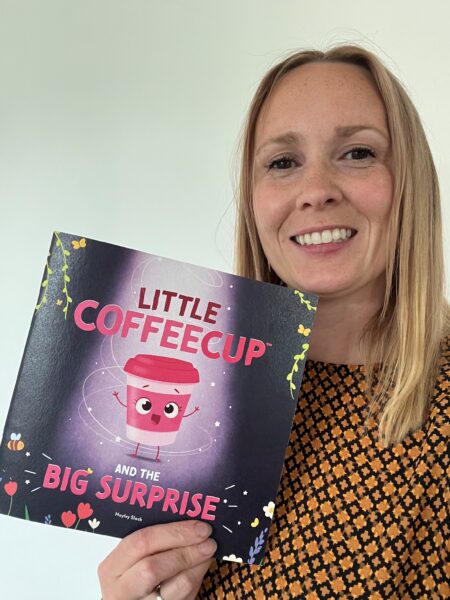
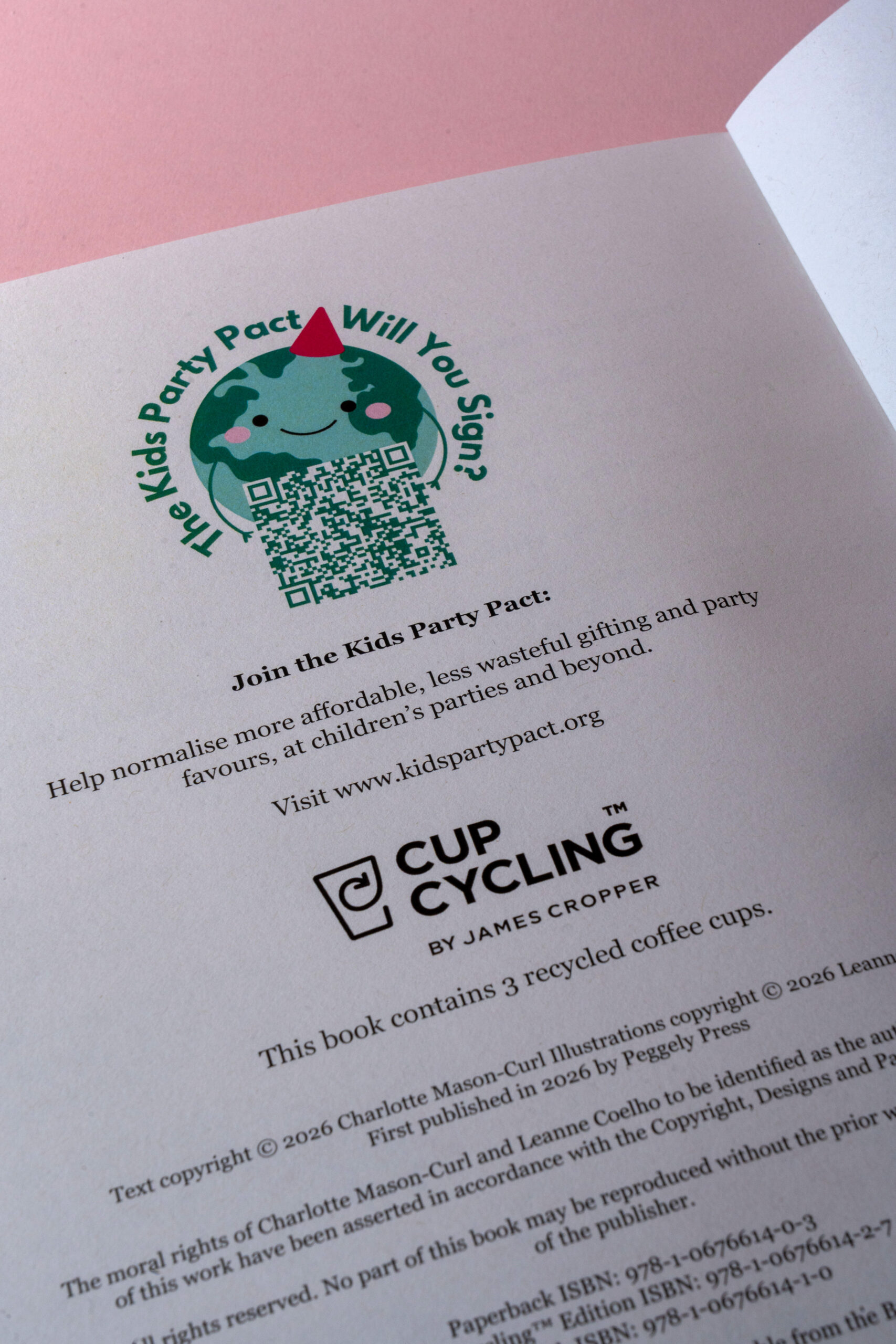
The connection to James Cropper came through Hayley Slack, author of Little Coffee Cup and the Big Surprise, a children’s book produced using James Cropper’s CupCycling™ technology, which transforms used paper cups into high-quality paper.

Hayley introduced Charlotte to Rob Tilsley at James Cropper, and from there things moved quickly. “I had the audacity to ask if they would donate paper,” Charlotte says, “…and they said yes.”

The special edition of Elf Chloe’s Surprise is printed on Vanguard, a James Cropper paper that can be made with up to 40% upcycled coffee cups. The material isn’t incidental to the story. The material isn’t incidental to the story, but part of it. A book about the consequences of what we throw away, made from what someone else threw away, and printed just a few miles from where its author lives.

“Having a good quality physical item matters. And having a paper with a story… that ties into everything the book is trying to say.”

The publishing industry as the next frontier

Charlotte is pragmatic about what she’s challenging. Self-publishing a picture book is a financial risk, considering the average self-published book sells around 250 copies. Charlotte took the bet because she already had the community. Thousands of parents in 33 countries have made pledges through No Crap Parties; an engaged audience.

The broader ambition runs further than a first print run, though. The publishing industry is typically slow to examine its own supply chain. Most children’s books are printed overseas and shipped to the UK. The decision is usually economic. and environmental logic doesn’t often enter the conversation.

“The publishing industry is set in its ways. This book kind of challenges the way books are made now. I wanted to prove that you can do it differently, and that it’s worth doing.”

The concept described in the book, that we can rethink waste, is already in readers’ hands. The special edition of Elf Chloe’s Surprise exists locally sourced, locally printed, made with recycled fibre, targeted at the age group most likely to carry its ideas into the next generation of family decisions.

Industry stats show why this book is doing such important work in shaping young mindsets. Over 337 million new toys are purchased in the UK each year, but eighty per cent of toys worldwide end up in landfill, incinerators, or the ocean. Almost a third of UK parents have thrown away toys in good working order simply because their child had finished with them.

Elf Chloe isn’t going to turn back the clock and reverse those numbers alone. But she might start a conversation at bedtime that a parent had been struggling to start. And that, Charlotte has learned from years of community-building, is how the numbers eventually move.

“I just want every family to have a copy,” she says. But then, Charlotte has learned from 15 years of community-building that most movements start exactly that way: one family visibly doing something differently, and another watching.

Bring Elf Chloe home

Ready to meet Elf Chloe? Discover the story that's helping families rethink waste, one bedtime story at a time, and order your copy of Elf Chloe's Surprise today.