Finding value in every fibre

Published:
1 Jun 2026

In 2002, baseball team Oakland Athletics won 20 games in a row, a feat that has only been achieved seven times in over 150 years of the sport. Remarkably, they did so after losing three star players and replacing them with a cheaply assembled squad of new signings rejected by the top teams of the time.

Even if you aren’t a baseball fan, you may well have heard of this story through the book Moneyball: The Art of Winning an Unfair Game, later dramatised into an Oscar-nominated, Brad Pitt-starring film of the same name. Both told the story of how Oakland challenged the existing orthodoxy in a multi-billion-dollar industry using a bold new approach to statistical analysis, identifying players that were undervalued due to the subjective biases of other teams.

It ended up changing not just baseball, but elite sport forever. And the lesson it teaches us reaches even further than this – especially the packaging industry, given its current focus on data and sustainability. Success in our industry doesn’t hinge on multi-million dollar player scouting, but it does hinge on material literacy and the financial stakes are every bit as real as they are on the baseball field.


The packaging Moneyball mindset

Moneyball is often misinterpreted as being about data over emotions. Let the head rule the heart. In truth, the story highlights the value of using data better, combining it with intuition and passion rather than replacing them to turn a collection of things into something greater than the sum of its parts.

In the packaging world, that idea probably feels closer to home than it has in the past. Sustainability reporting regulations demand a highly granular approach to material selection that looks not just at the material itself, but the journey each material element has taken before it arrives at the converting plant. And the implications of this go far beyond compliance.

These implications put a new focus on paper, where its material journey can completely alter the pack that ends up on shelves. Recycled paper that has passed through the system several times has a completely different look and feel from virgin paper.

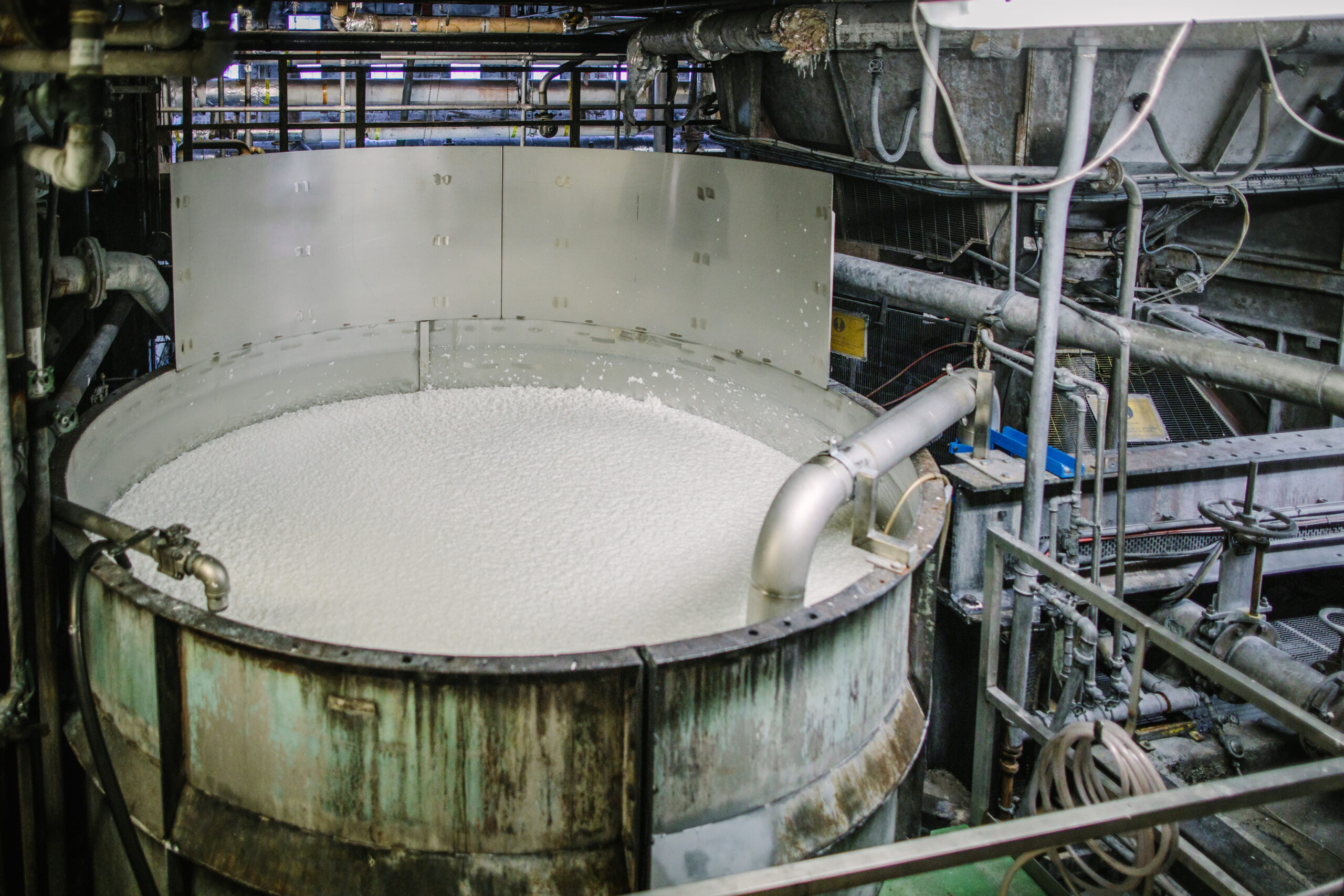
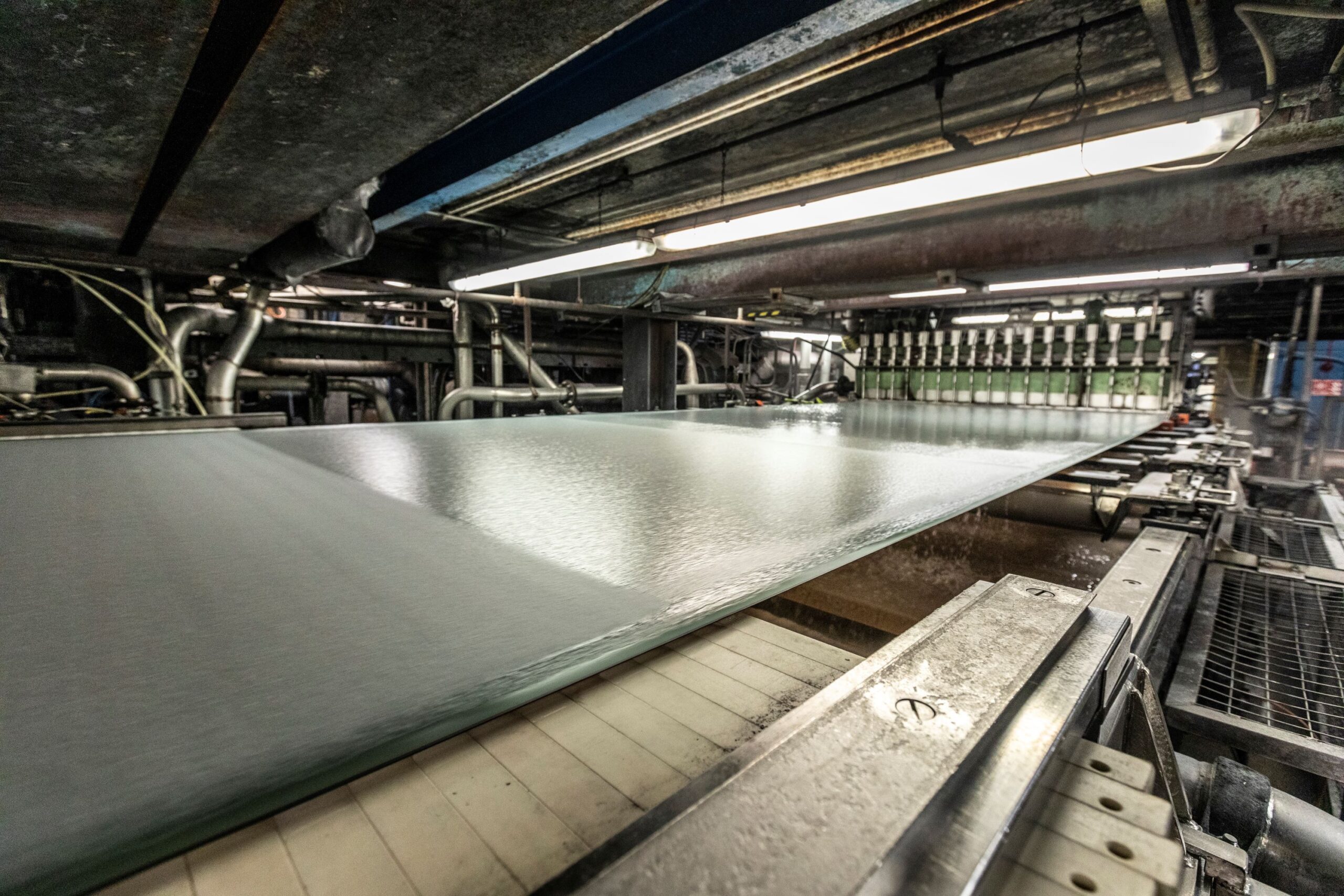
Even within virgin paper, subtle differences exist depending on the species of tree and the location from which the paper fibres were sourced. Trees, like any living thing, are influenced by their environment – everything from the climate to the chemistry of the soil can affect the texture and strength of each individual fibre. Once those fibres are pressed into paper and run through a printing and converting line, their differences are often obvious and catastrophic in an industry where production consistency is essential.

The hidden value of microscopic details

Understanding these, sometimes literally, microscopic differences is key to achieving the desired functional performance and aesthetic results from packaging. In the current market, consumers expect brands to deliver both.

This is shaking up the traditional relationships between suppliers and clients. Suppliers are no longer passive; they do more than tick boxes and deliver on a rigid brief. The most successful businesses are the ones that view suppliers as expert collaborators – as active participants in a shared process that turns a vision into reality.

This is how technical expertise and objective data can be combined with more subjective, abstract qualities like creativity and passion to achieve excellence.

Colour makes for the ideal demonstration of why this is so important. The same colour formulation can deliver highly variable results depending on the substrate it is printed on, its material makeup, the environment it is mixed in, and even the lighting conditions it is viewed under. The phenomenon of metamerism means two sheets of coloured paper can look identical in some lighting conditions, but completely different in others.

And all of this has to be balanced against the functional requirements of the end product. Dyes, which bind to the fibres in the paper, and pigments, which sit on the surface, both have different durability, water resistance, and lightfastness profiles, and they interact differently with various paper grades. Getting colour right is an interesting blend of the objective and subjective. While the chemistry behind recreating a colour is objective, the way it is perceived and the feelings it stirs in each individual viewer is anything but.

The traditional supplier-client model did not take this nuance into account. At James Cropper, we have seen how clients can unlock the full potential of their packaging by embracing a more collaborative approach, using our expertise to find additional value in every fibre.

Maintaining excellence

Perhaps the most important lesson that the Oakland A’s story can teach us comes from after the events of Moneyball. Aside from a brief bright spot in the 2010s, this period is defined not by success but by failure. As the team’s new analytical approach took over the sport, their competitive edge started to disappear. Other teams started to invest and innovate in their operating models, and today, the Athletics franchise is preparing to move out of state to Las Vegas. Excellence does not last long; it has to be continually maintained.

Despite that, the story of the 2002 Oakland A’s team endures, even among people who have no idea what an ‘on-base percentage’ is. That’s because it’s not about baseball, it’s about overlooked value. That same principle is now driving packaging forward.

As sustainability, performance, and brand experience become harder to separate, material literacy is not just another technical detail; it’s the foundation that makes those details valuable.

Developing a deeper, more holistic understanding of what those details mean is a continuous journey, not a destination, as is developing the technical capability to turn that understanding into something more tangible. Every fibre has a statistic, and every statistic has a value. Those who understand this will be the ones who continue to find the value that others miss.

Start your next packaging conversation

Unlock the full potential of your packaging through material literacy, technical expertise and collaborative innovation.