Rediscovering the ordinary

Published:
27 Jul 2026
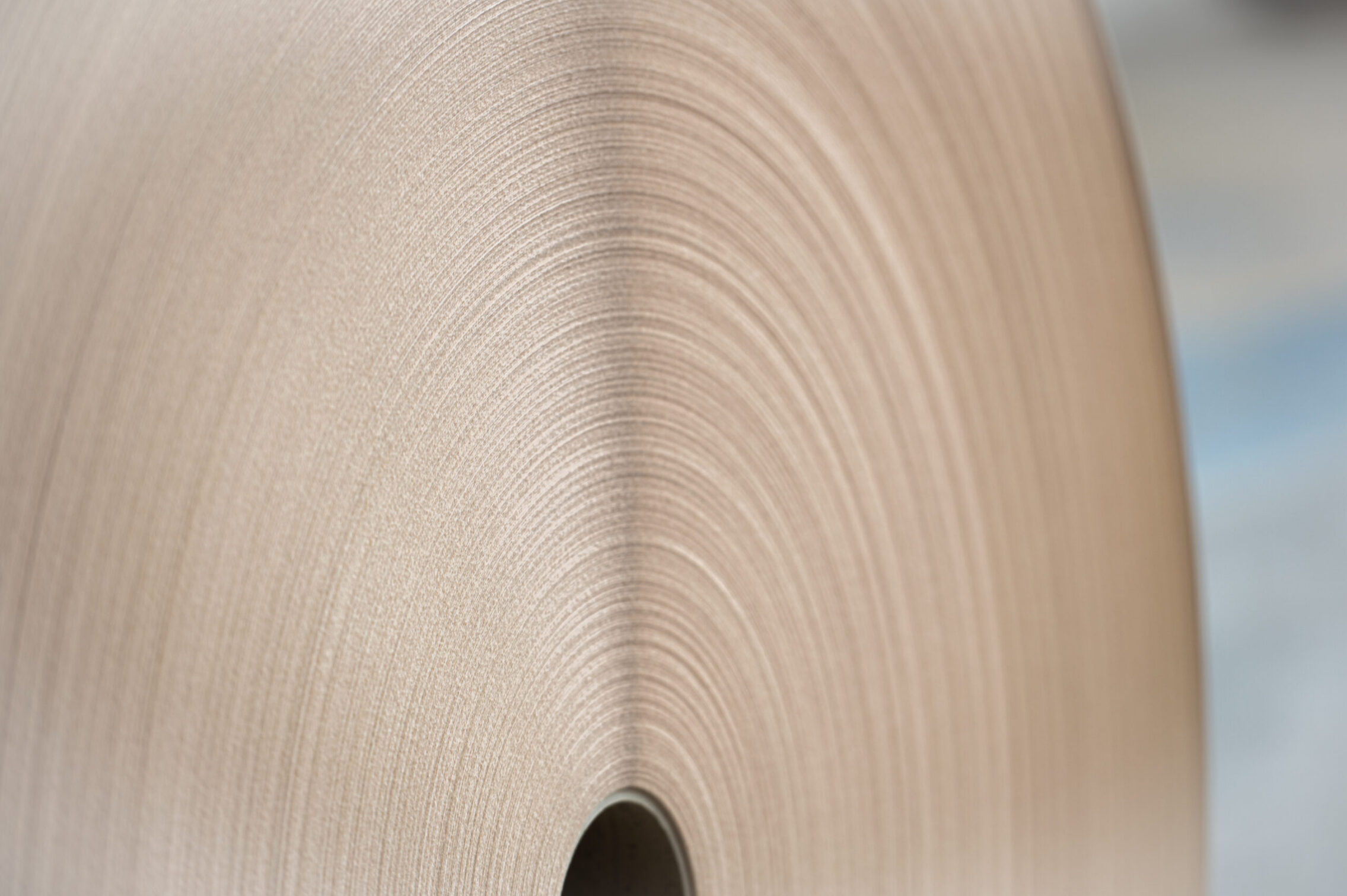
The materials closest to us are often the ones we stop seeing.

Familiarity has a way of making even the most remarkable things feel routine. But when we look more closely, ordinary materials reveal something different: stories of expertise, curiosity and human ingenuity that have been quietly evolving for generations.

Paper is one of those materials.

It is everywhere. It carries knowledge, protects products, communicates ideas and connects brands with people. Yet because it has been part of everyday life for centuries, it is easy to overlook the complexity behind something that appears so simple.

A sheet of paper is the result of countless decisions. The fibres selected, the way they are processed, the colour developed, the weight achieved and the performance required all influence the final material. What appears straightforward on the surface is shaped by a deep understanding of science, craft and manufacturing.

Paper is one of the most familiar materials in the world, but familiarity can sometimes create assumptions. People see the finished sheet, but rarely see the decisions, expertise and processes that shape it.

So what is the one thing people misunderstand most about paper?

For Jordan Scott, Head of Marketing at James Cropper, the answer comes down to experience.

“I think it’s difficult to answer because, unless you have been to the mill, it is almost impossible to appreciate the complexity behind it,” she says. “Paper is much more technical than people think.”

That understanding has become central to Jordan’s approach to marketing.

In a technical business, communicating value cannot begin with the finished product alone. It has to start with understanding the process, the people and the expertise that make that product possible.

“My marketing role does not start and end with asking for what I need,” she explains. “It is about understanding how we make it happen. How do we find the machine time? How do we solve the challenges? How do we bring the different parts of the business together to deliver the right outcome?”

It is a different view of marketing. One where credibility is built through knowledge, and where external communication is only as strong as the internal understanding behind it.

For specialist manufacturers, that connection matters.

Because the value of a material is rarely found only in what customers see.

It is found in everything that happens before.
Seeing the people behind the material

For many people, a material begins and ends with what they can see.

A colour. A texture. A finished product.

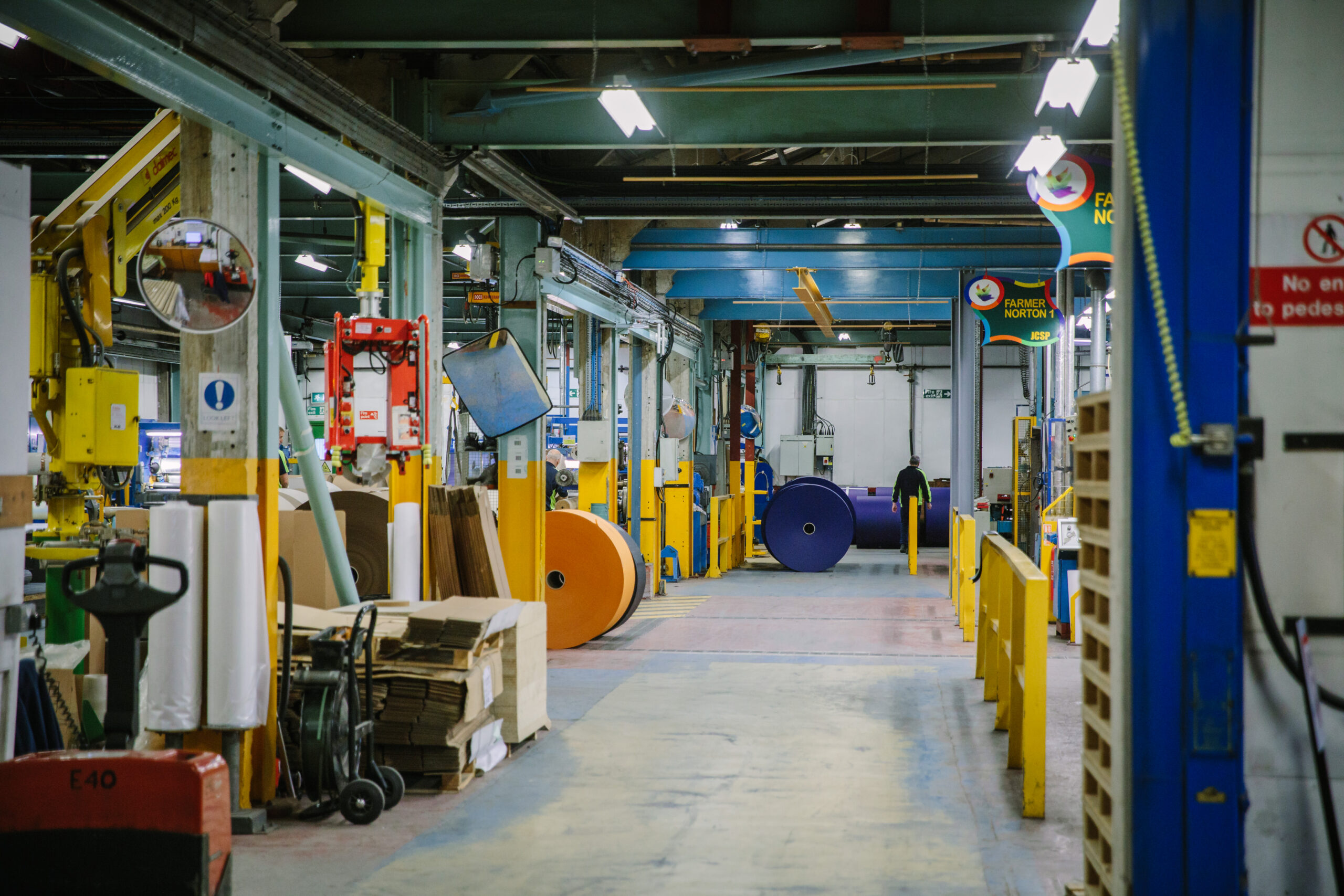
But behind every sheet of paper is a network of people whose knowledge and experience shape what is possible. Engineers, technicians, colour specialists, operators and designers all contribute to the final outcome.

The challenge is making that hidden expertise visible.

This is something James Cropper has increasingly looked to share by opening up the mill and allowing customers, creatives and partners to experience the process firsthand.

“We have always believed it is essential that people come to the mill and meet the people behind what we do,” Jordan says. “We have always done private customer visits, but being able to communicate that more openly has helped people understand the reality behind the material.”

The impact of those visits is not simply that people learn how paper is made.

It is that they understand why it matters.

“People often arrive with an idea of what they think we do, and they leave with a completely different understanding of what happens here.”

That change in perception comes from something difficult to replicate through words alone.

Experience.

The people who work behind the scenes are no longer hidden. Their expertise becomes part of the value customers see.

“It is a two-way relationship,” Jordan explains. “A lot of the people who are behind the scenes making everything work wanted more opportunities to be part of those conversations. They are proud of what they do, and they want people to see the skill, knowledge and craftsmanship involved.”

There is something important in that pride.

Manufacturing is often discussed through the lens of machinery, efficiency and output. But behind every technical achievement is human judgement: knowing when something is right, understanding what can be improved and applying experience built over time.

The material carries that knowledge with it.

Marketing from the inside out

In technical industries, marketing sits at a unique intersection.

It must understand the detail deeply enough to earn credibility internally, while translating that complexity clearly enough to create meaning externally.

For Jordan, marketing starts with understanding the work before communicating its value.

“When I first joined, it would have been easy to stay within the traditional boundaries of marketing,” she says. “People often say you do not need to know the everyday detail, but for me that detail is what allows us to communicate properly.”

“That understanding gives you all the pieces of the puzzle. It allows you to create something that helps people outside the business understand what James Cropper does, even if they do not live in that world every day.”

That approach becomes particularly important when communicating complex subjects. Whether discussing new fibre developments, technical capabilities or regulatory changes, credibility comes from understanding the decisions behind the message.

“It can be difficult because you become immersed in all the reasons why something might not be communicated, or all the things happening behind the scenes,” Jordan explains. “But ultimately, it is about getting the balance right and communicating what we can genuinely do in a way that attracts the right customers and the right opportunities.”

Good communication does not simplify expertise.

It respects it.

From capability to clarity

Specialist manufacturers often have one significant challenge: they can do more than people realise. Capability creates opportunity, but it can also create complexity. Jordan describes this challenge through a simple analogy.

“For a long time, James Cropper has been like a restaurant without a menu,” she says. “We have so many capabilities that people often do not know where to start.”

It captures a challenge familiar to many technical businesses. Expertise can become invisible if customers do not understand where it creates value.

Historically, James Cropper’s willingness to explore possibilities meant responding to a wide variety of requests and finding ways to make them happen.

“We have always been a business that wants to say yes. We want to find solutions and support customers wherever we can. But sometimes that means trying to do everything for everyone, and that can come at a cost.”

Understanding capability, however, is not about limiting creativity.

It is about creating clarity.

“Really understanding what our capability is, what our machines are capable of, what our technical teams are capable of, and where those limits are, is actually a positive thing from a marketing perspective.”

Because knowing where you create the greatest value allows you to have better conversations with the customers who need that expertise most.

When paper becomes personal

The relationship between people and materials is rarely purely functional. A material can communicate quality, create emotion and become part of a memory.

For designers and artists, paper is a creative medium, and Jordan sees this connection regularly when creatives visit the mill, often discovering a level of complexity behind a material they thought they already understood.

“Artists and designers often begin with the things they can immediately see: the colour, the weight, the feel of the paper and how it works for their application.”

“But what they sometimes do not realise is the complexity behind achieving those things. Even something like matching a specific Pantone colour can be incredibly challenging.”

That discovery changes the relationship between creator and material.

“If you can make paper personal, that is when you create a connection,” Jordan says. “The technical detail matters, but often the emotional connection is where the conversation begins.”

Colour is often where that connection starts.

“Everyone associates colour with something different. It can connect to a feeling, a memory, a place or a moment in time.”

The opportunity is to preserve that emotional connection while continuing to push technical boundaries.

A culture built around asking what if

Innovation is often described as the pursuit of something completely new.

But many of the most meaningful innovations begin with a different question: what else is possible?

At James Cropper, Jordan believes curiosity has always been part of the company’s identity.

“I would say it was definitely something that has been built over time,” she says. “Throughout 180 years, there has always been a culture of asking questions. That ‘what if’ mindset.”

“Instead of accepting this is what we can do and this is our limit, people have always challenged what else is possible.”

That mindset has created a culture where innovation is not separated from the market.

It begins with listening, understanding challenges and identifying where James Cropper’s expertise can solve problems that matter.

CupCycling is one example of this thinking in action.

“CupCycling came from a need to find a high-quality fibre source that did not rely solely on virgin fibre, while also creating a meaningful circularity story.”

The innovation came from looking differently at an existing challenge, and a material previously considered waste became an opportunity.

That is perhaps the most powerful idea behind circularity: not simply finding new materials, but discovering new possibilities within the ones we already have.

Heritage that keeps moving

A long history provides perspective.

But heritage only remains meaningful when it continues to evolve.

For established businesses, the challenge is balancing the knowledge accumulated over generations with the curiosity needed to move forward.

Jordan believes those two things can exist together.

“We have to be bold and we have to be daring, but that does not mean walking away from our heritage,” she says. “The two can exist together.”

A company’s history provides confidence, but it cannot become a reason to stand still.

“If you stop evolving, that is where 180 years stops meaning anything. You get to 180 and then that becomes the end. You can be future-facing and still carry your heritage forward.”

The strongest heritage brands are not those that protect the past from change.

They are those that use the past as a foundation for what comes next.

Rediscovering what we already know

The story of paper is ultimately a story about perspective.

A material that appears ordinary reveals extraordinary depth when we take the time to understand it.

The fibres, the processes, the people and the knowledge behind it all contribute to something far more complex than the finished sheet suggests.

In a world increasingly focused on speed and novelty, there is value in looking closer. Because innovation does not always begin with creating something unfamiliar.

Sometimes it begins by rediscovering the potential within something we already know.

At James Cropper, this belief continues to shape how materials are made, understood and imagined.

Because the value of a material is rarely found only in what we see. It exists in the decisions behind it, the knowledge within it and the people who continue to question what it can become.

The ordinary is only ordinary until we look closer.

Ready to explore what's possible?

To discover what James Cropper’s expertise could make possible for your next project, get in touch with the team.